

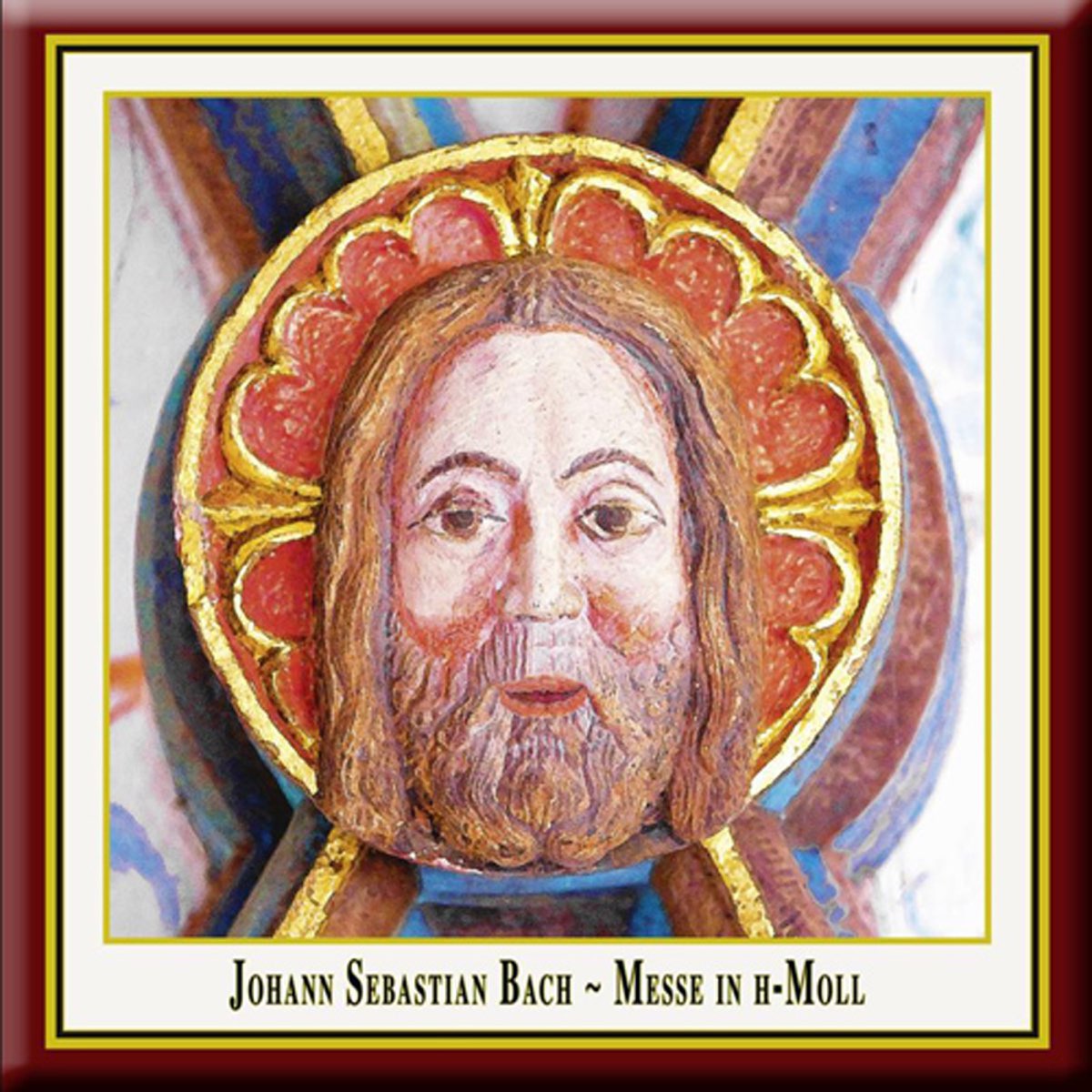
In the grand tapestry of musical history, few composers have woven their legacy as intricately as Johann Sebastian Bach. His Mass in B Minor stands as a colossal monument to Baroque ingenuity, a work so dense with counterpoint and theological depth that it has inspired centuries of imitation, adaptation, and outright theft. But what if the most profound homage to Bach isn’t one of reverent imitation, but rather the audacious act of stealing—of borrowing, twisting, and reimagining his genius into something entirely new? Welcome to the world of the parody mass, where composers don’t just pay tribute to Bach; they engage in a centuries-old dialogue with his music, reshaping it into their own voice.
The parody mass, a form that flourished in the Renaissance and Baroque eras, is not merely a copycat’s endeavor. It is a sophisticated alchemy of theft and transformation, where a composer takes an existing piece—often a secular work like a madrigal or a motet—and repurposes its musical material into a sacred context. Bach himself was a master of this craft, lifting themes from his own cantatas and even secular works to craft the Mass in B Minor. But the parody mass is more than a technical exercise; it is a testament to the fluidity of musical ideas, a reminder that creativity thrives on the collision of the old and the new.
The Anatomy of a Parody Mass: How It Works
At its core, a parody mass is a musical Frankenstein’s monster—stitched together from pre-existing material, yet alive with its own identity. The process begins with the selection of a source. Composers might choose a polyphonic motet, a lively dance tune, or even a fragment of a secular song. The key is that the material must be polyphonic, meaning it contains multiple independent melodic lines that can be adapted into the mass’s intricate textures.
Once the source is chosen, the composer dissects it, extracting its musical DNA—melodic motifs, harmonic progressions, and rhythmic patterns. These elements are then reassembled into the mass’s structure, which typically follows the Ordinary of the Mass: Kyrie, Gloria, Credo, Sanctus, Benedictus, and Agnus Dei. The challenge lies in making the borrowed material feel at home in its new sacred context. A dance tune, for instance, might be slowed and solemnized, its rhythms stretched to fit the liturgical text. A madrigal’s sensual harmonies could be purified, its chromaticism tempered for the choir’s reverent tones.
Bach’s Mass in B Minor is a masterclass in this technique. The Sanctus, for example, borrows its opening theme from a lost cantata, while the Osanna reworks material from a secular duet. Yet, the result is not a patchwork quilt of mismatched styles but a unified, transcendent experience. The parody mass, when executed with skill, transcends its origins, becoming something greater than the sum of its parts.
The Theological Alchemy: Sacred Texts, Secular Sounds
One of the most fascinating aspects of the parody mass is its ability to bridge the sacred and the secular. In an era where music was deeply intertwined with the church, composers often found themselves walking a tightrope between innovation and orthodoxy. The parody mass allowed them to smuggle secular ideas into the liturgy, transforming a tavern tune into a hymn of praise or a love song into a meditation on divine mercy.
Consider the Gloria of a parody mass. If the source material is a lively dance, the composer might retain its rhythmic vitality but infuse it with the text’s exultant joy. The result is a paradox: a piece that feels both ancient and fresh, familiar yet revelatory. This alchemy is not just musical but theological. By repurposing secular music for sacred ends, composers like Palestrina or Victoria were making a statement about the universality of divine grace—how even the most earthly sounds could be elevated to the heavens.
Bach took this concept to its zenith. His Mass in B Minor is a theological manifesto, a work that synthesizes Catholic liturgy with Lutheran devotion, sacred and secular traditions, and old and new musical languages. The parody mass, in his hands, becomes a tool for spiritual exploration, a way to probe the mysteries of faith through the lens of human creativity.
From Renaissance to Baroque: The Evolution of a Form
The parody mass didn’t emerge fully formed in Bach’s time. Its roots stretch back to the Renaissance, where composers like Josquin des Prez and Palestrina pioneered the technique. In the 16th century, the parody mass was a way to honor the past while pushing musical boundaries. Josquin’s Missa Pange Lingua, for instance, borrows from his own motet, creating a work that feels both retrospective and forward-looking.
By the Baroque era, the parody mass had evolved into a more flexible and experimental form. Composers like Handel and Mozart continued to use it, though often with less strict adherence to the original material. Handel’s Messiah, while not a mass in the traditional sense, employs parody techniques in its choruses, lifting material from his own Italian duets and transforming it into something grander and more sacred.
Bach, however, remains the undisputed king of the parody mass. His Mass in B Minor is a culmination of centuries of tradition, a work that synthesizes the contrapuntal rigor of the Renaissance with the expressive freedom of the Baroque. For Bach, parody wasn’t just a compositional tool; it was a philosophical stance. He believed in the interconnectedness of all music, that every note, every melody, carried within it the potential for infinite transformation.

How to Steal Like Bach: A Modern Composer’s Guide
So, how can a modern composer—or even a curious listener—engage with the art of the parody mass? The first step is to embrace the mindset of the thief. Stealing, in this context, isn’t about plagiarism; it’s about homage, about taking what already exists and making it your own. Start by selecting a piece of music that resonates with you—a melody, a chord progression, a rhythmic pattern. It could be anything: a folk tune, a jazz standard, a video game soundtrack. The key is to choose something with depth, something that can bear the weight of transformation.
Next, dissect the material. Identify its core elements—the motifs, the harmonies, the structural quirks. Then, ask yourself: How can this be sacred? How can it serve a higher purpose? A fast-paced jig might become a solemn Sanctus, its rhythms slowed to a crawl. A melancholic ballad could inspire the Agnus Dei, its lyrics reworked to plead for mercy. The goal isn’t to erase the original’s character but to reveal its hidden potential.
Finally, compose with intention. The parody mass isn’t a lazy shortcut; it’s a challenge. You’re not just rearranging notes—you’re reimagining a piece of music’s soul. Study the texts of the mass. Let the words guide your choices. A setting of the Kyrie should feel penitent, while the Gloria demands exultation. Use the borrowed material as a scaffold, but don’t be afraid to improvise. Bach didn’t just copy his sources; he reinvented them.
The Parody Mass in the Modern World: Why It Still Matters
In an age of digital sampling and AI-generated music, the parody mass might seem like an anachronism. Why borrow when you can create from scratch? But the form’s enduring relevance lies in its celebration of musical dialogue. The parody mass reminds us that creativity isn’t about originality in a vacuum; it’s about connection, about standing on the shoulders of giants and seeing further.
Today, composers continue to explore the parody mass, though often in experimental or hybrid forms. Some blend Bach’s chorales with electronic beats, while others repurpose film scores into sacred works. The form has also found a home in popular music, where artists like Sufjan Stevens and The Tallis Scholars have reimagined traditional masses with modern sensibilities. Even video game soundtracks, with their layered, adaptive compositions, owe a debt to the parody mass’s ethos of transformation.
For listeners, engaging with a parody mass is an act of active listening. It’s an invitation to hear the familiar in a new light, to trace the threads of influence that connect one piece of music to another. When you listen to Bach’s Mass in B Minor, you’re not just hearing a masterpiece—you’re witnessing a conversation across centuries, a dialogue between composer and composer, between past and present.
The parody mass is more than a historical curiosity; it’s a living, breathing testament to the power of musical theft. It teaches us that the greatest art isn’t created in isolation but through the exchange of ideas, the borrowing of voices, and the transformation of the old into something new. So the next time you hear a melody that stirs your soul, ask yourself: What could this become? How could it be stolen, reshaped, and reborn? The answer might just be a mass.


Leave a Comment