

In an era where nostalgia meets innovation, the art of transforming cherished old photographs into dynamic, lifelike videos has become a mesmerizing reality. Imagine watching your grandparents’ wedding portrait flicker to life, their smiles animating as if time itself had rewound. Or perhaps, a black-and-white wartime snapshot suddenly revealing the subtle sway of a breeze through the trees. This isn’t magic—it’s the power of AI-driven photo-to-video conversion, a technological marvel that breathes new vitality into the past. Whether you’re a historian preserving cultural heritage, a family historian reconnecting with lineage, or a creative soul seeking to tell richer stories, the ability to turn old photos into AI videos opens a portal to emotional resonance and artistic expression. Let’s embark on a journey through the possibilities, techniques, and transformative experiences this technology offers.
At its core, AI-powered photo-to-video conversion is more than a digital trick—it’s a symphony of algorithms, machine learning, and artistic intuition. The process begins with a still image, often marred by time’s wear: faded colors, creases, or blurred edges. Modern AI tools don’t just clean these imperfections; they reconstruct them with uncanny precision. Using deep learning models trained on millions of historical and contemporary images, these systems predict missing details—restoring a torn corner, enhancing faded hues, and even guessing the original lighting conditions. But the real magic unfolds when motion is introduced. Subtle animations—blinking eyes, shifting gazes, or the gentle flutter of a dress—are generated based on learned patterns of human movement and environmental cues. The result? A video that feels eerily alive, as if the subjects themselves have stepped out of the frame.
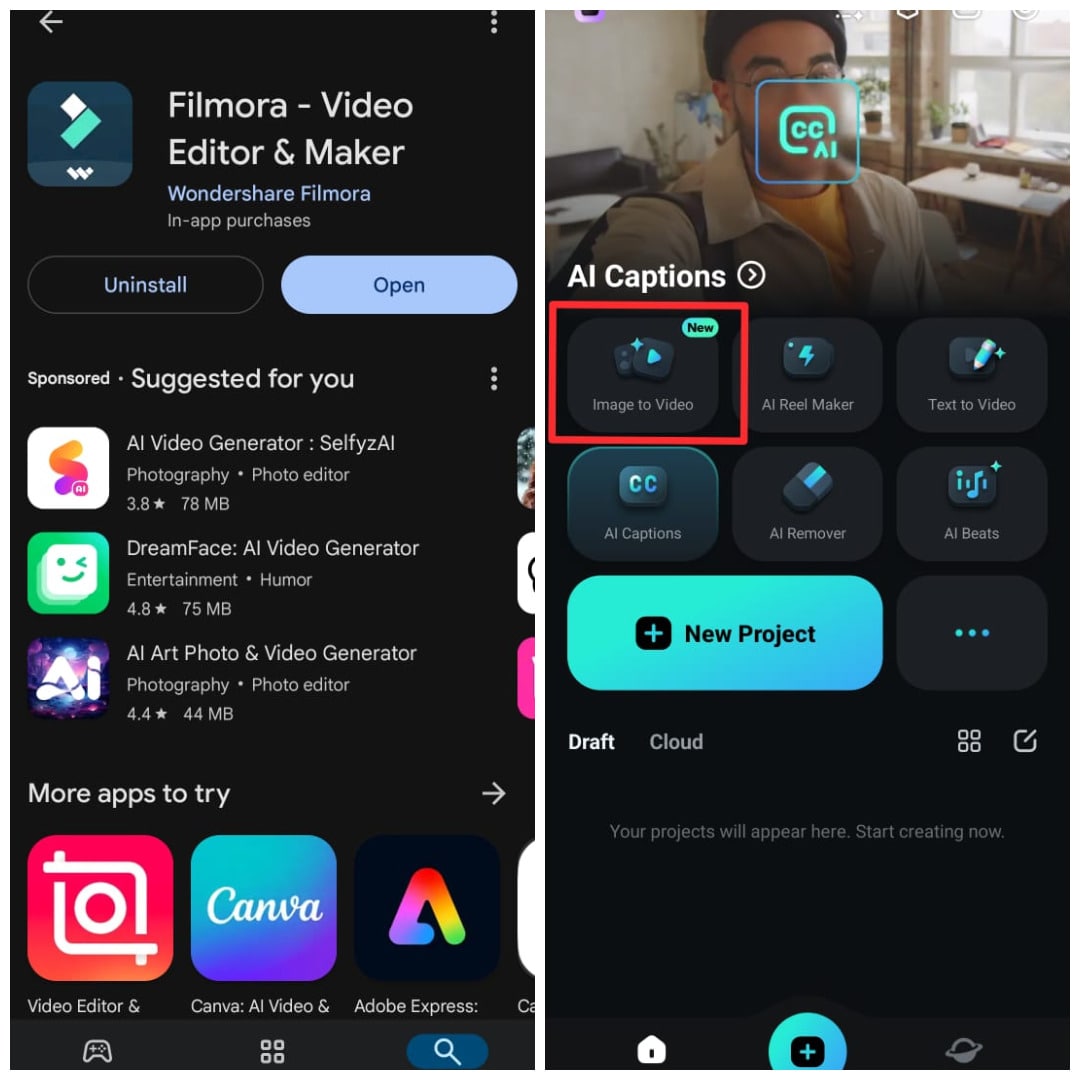
For the sentimental traveler, AI videos offer a deeply personal way to reconnect with history. Consider a family heirloom—a sepia-toned portrait of a great-grandmother holding a vintage camera. With AI enhancement, her fingers might subtly adjust the lens, her eyes flicker with curiosity, and the background could gently blur as if she’s about to step forward. These aren’t just animations; they’re emotional time capsules. They allow younger generations to witness the humanity behind the names in old albums. Schools and museums are increasingly using such videos to make history tangible. A classroom watching an AI-animated portrait of a Civil Rights Movement leader doesn’t just read about their courage—they see it in motion, feel the weight of their gaze, and connect on a visceral level.
Beyond personal nostalgia, AI photo-to-video technology is revolutionizing storytelling across media. Filmmakers and documentarians now use it to create seamless transitions between archival footage and modern scenes. A historical documentary might open with a black-and-white photograph of a 1920s city square, then gradually animate the horse-drawn carriages into motion, the pedestrians into life, and the streetlights flickering to life at dusk. This technique, known as “photo animation,” adds cinematic depth without the cost of reshooting entire scenes. It’s particularly powerful in biographical films, where a still portrait of a scientist or artist can be brought to life to narrate their own story in first person, lending authenticity and immediacy to their legacy.
For creators and influencers, AI videos present a fresh canvas for content. Imagine a travel blogger using an animated vintage travel poster to narrate a journey through 1950s Paris. Or a musician composing a soundtrack to accompany an AI-animated portrait of a jazz legend, syncing the rise and fall of notes to the imagined rhythm of their breath. Social media platforms thrive on novelty, and AI-generated videos—especially those that blend past and present—garner attention for their emotional pull and visual intrigue. Brands are also leveraging this technology in advertising, using restored and animated historical images to tell brand stories rooted in heritage, craftsmanship, and timeless values.

The technical journey behind these videos is as fascinating as the end result. Most AI tools follow a three-step process: restoration, animation, and rendering. Restoration begins with AI-powered upscaling, where low-resolution images are enhanced to high-definition clarity. Algorithms like ESRGAN (Enhanced Super-Resolution Generative Adversarial Networks) predict and fill in missing pixels with astonishing accuracy. Next comes animation, where motion is inferred using models trained on video datasets. Tools like DeepMotion or Runway ML analyze facial expressions, body posture, and environmental context to generate fluid, natural movements. Some platforms even allow users to guide the animation—adjusting the speed of a blink or the tilt of a head—adding a layer of creative control. Finally, rendering brings everything together, often in 4K resolution, with options for color grading, sound design, and voiceovers to complete the immersive experience.
Of course, not all old photos are created equal. The success of AI animation depends heavily on image quality and composition. A well-lit, high-resolution portrait with clear facial features yields far more convincing results than a blurry, low-contrast snapshot. But even imperfect images can be salvaged. AI tools now include features like background reconstruction, where missing sections are inferred based on similar scenes, or facial feature enhancement, which sharpens blurred smiles or closed eyes. Some platforms even allow users to upload multiple photos of the same person to create a more accurate facial model, improving the realism of the final animation. For those with large collections, batch processing is a game-changer, enabling dozens of images to be restored and animated in one go.
Ethical considerations also play a crucial role in this space. As AI breathes life into historical figures, questions arise about consent and representation. While most tools operate on publicly available images or personal heirlooms, it’s important to respect privacy and avoid manipulating images in ways that misrepresent individuals. Responsible creators use AI animation to honor memory, not exploit it. This means being transparent about the use of AI, avoiding deepfake-style manipulations that could deceive viewers, and ensuring that the final output remains true to the spirit of the original photograph.
The future of AI photo-to-video conversion is brimming with potential. Emerging technologies like neural radiance fields (NeRF) are pushing the boundaries of 3D reconstruction from 2D images, allowing for even more immersive animations where viewers can “walk around” a restored scene. Voice cloning and lip-syncing AI are being integrated to make animated portraits speak, adding another layer of authenticity. Imagine a silent film star from the 1920s delivering a monologue in their own voice, reconstructed from archival audio. These advancements aren’t just technical feats—they’re gateways to emotional connection, bridging generations and cultures through the universal language of storytelling.
Whether you’re a hobbyist experimenting with family photos or a professional integrating AI videos into a project, the key lies in embracing both the technology and the emotion behind it. Start small: restore a single image, animate a smile, and observe how it changes your perception of the past. Let curiosity guide you. Try different tools, compare results, and don’t shy away from experimenting with lighting, motion, and sound. The most powerful AI videos aren’t just technically impressive—they resonate. They make us pause, reflect, and feel. In a world where the past often feels distant and static, AI animation offers a rare gift: the chance to see history not just as a memory, but as a living, breathing moment.
So go ahead. Upload that faded photograph. Watch as the pixels rearrange themselves into clarity. Feel the quiet thrill as a figure stirs, as a scene awakens. You’re not just creating a video—you’re reviving a story. And in doing so, you’re ensuring that the echoes of the past continue to sing, not in stillness, but in motion.


Leave a Comment