

Every few years, the art world turns its collective gaze towards the Venice Biennale, an event synonymous with grandeur, spectacle, and often, an almost theatrical celebration of contemporary creativity. Yet, as the 2026 iteration of this iconic exhibition unveils its theme titled In Minor Keys, a tantalizing question emerges: could this represent the twilight of the blockbuster biennale as we know it?
The Crescendo of the Blockbuster Biennale
For decades, the Venice Biennale has operated like a carefully orchestrated symphony culminating in dazzling crescendo after crescendo. These exhibitions transform the city into a sprawling amphitheater of massive installations, headline-grabbing artists, and sprawling pavilions shimmering with ambition. Inflated budgets, relentless media buzz, and a near-constant battle to outdo previous editions have defined the spectacle. But beneath these layers of glamour lies an intrinsic complication: are we witnessing the saturation point of magniloquence in contemporary art exhibitions?
Blockbuster biennales have thrived on exuberance, grand narratives, and visual excess. Yet, as audiences become more discerning and the cultural landscape evolves, the hunger shifts from overwhelming to intimate, from bombast to nuance. In Minor Keys suggests a deliberate decrescendo—a subtle, elegiac tone counterpointing the frenetic energy of previous editions. Could this signal a rebuke of excess, an invitation to scrutinize hidden complexities often obscured by spectacle?
Decoding ‘In Minor Keys’: A Harmonious Recalibration
The term “minor keys” in music evokes melancholy, introspection, and layered emotional textures. It signifies not a termination but a recalibration of mood. Applied to the Venice Biennale, it conjures an atmosphere more contemplative, less ostentatious. The 2026 theme hints at challenging the biennale’s historical predilection for loud declarations, instead exploring subtler, perhaps more dissonant, currents within global artistic discourse.
This shift is far from simply a thematic choice—it reflects broader tectonic shifts in the art ecosystem. The curatorial vision, embracing nuance over bombast, compels artists and audiences alike to engage with the fissures, silences, and marginalized voices too often eclipsed by blockbuster bravado. In so doing, In Minor Keys may well mark a turning point, encouraging a decentralization of spectacle in favor of profound dialogue.
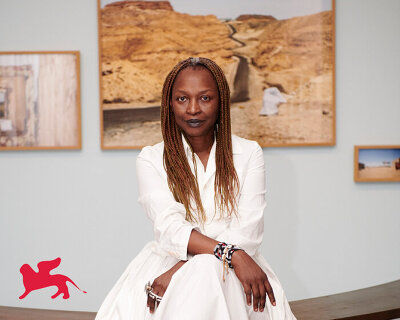
Reimagining Scale: From Monumental to Intimate
Traditional biennales have often equated scale with significance. The grandeur of colossal installations and sprawling exhibitions seemed the surest way to capture attention and convey importance. However, the 2026 theme proposes to invert this paradigm by focusing on the intimate, the nuanced, the understated. This recalibration challenges the assumption that “bigger is better,” suggesting instead that the minutiae of human experience—small gestures, quiet narratives—may hold equal power.
This move toward intimacy is especially poignant in an age overwhelmed by information and spectacle. Audiences fatigued by sensory overload may welcome biennales that allow space for reflection rather than relentless stimulation. Smaller, more considered works foster an environment in which contemplation thrives, inviting viewers not only to observe but to internalize and converse with the art.
A Subtle Rebellion Against Globalization’s Homogenizing Tendencies
The blockbuster biennale model often leans on a universalizing rhetoric, showcasing a globalized art language that risks glossing over cultural specificity. By embracing a “minor key” approach, the 2026 Venice Biennale gestures toward a subtle rebellion against this homogenization. It foregrounds multiplicity, difference, and even discord within cultural narratives, emphasizing the mosaic nature of contemporary artistic expression.
De-centering the spectacle also means to challenge the dominant power structures that dictate which artists, themes, and geographies achieve visibility. The theme alludes to an artistic polyphony—where diverse voices, including those previously marginalized or overshadowed, resonate with renewed clarity. This thematic pivot invites a critical reevaluation of how biennales can foster cultural equity while resisting the imperialistic undertones often critiqued in global exhibitions.
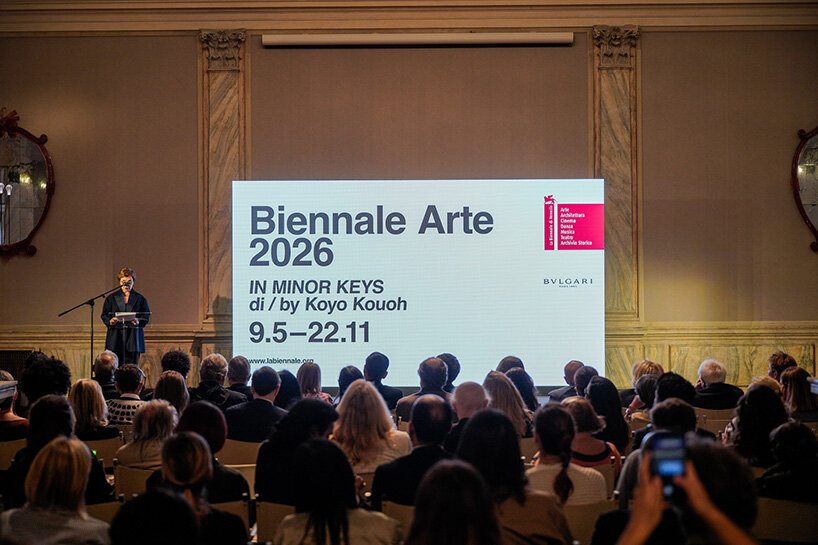
Curatorial Vision: A Late Curator’s Whisper in the Grand Hall
The late Koyo Kouoh, curator for the 2026 Biennale, left an indelible mark on the trajectory of contemporary art curatorship. Known for her nuanced, thoughtful approach, Kouoh’s influence permeates this shift toward a more introspective and less bombastic biennale framework. Her vision encapsulates a deliberate withdrawal from the overpowering spectacle typical of previous editions, advocating instead for a biennale that is an intellectual provocation as much as an aesthetic experience.
Such curatorial intent resonates as a quiet manifesto: the biennale need not only dazzle—it can also challenge, unsettle, provoke. It encourages a new choreography of engagement, one that privileges listening over viewing, subtle shifts in tone over grand declarations. Through this lens, the 2026 Venice Biennale may function as a potent reminder that art’s impact often inhabits the spaces beneath the surface.
Will This Mark the End of the Blockbuster Biennale?
The question remains open. Has the Venice Biennale reached a pivot point where blockbuster grandeur gives way to subtle depth? Or will In Minor Keys be a fleeting elegy before the inevitable return of bombastic exhibitions driven by spectacle and media frenzy?
The answer is likely neither absolute nor immediate. Instead, this thematic choice signals an evolving dialogue—an invitation to the global art community to reassess the values underpinning the biennale institution. It asks whether the era of ostentatiousness is sustainable or whether a shift toward reflective engagement better serves an increasingly complex world.
Ultimately, In Minor Keys is less a definitive statement and more a playful challenge: can the Venice Biennale—and by extension, other large-scale exhibitions—embrace a mode of curation and reception that privileges emotional subtlety, intellectual rigor, and cultural plurality? The coming years will reveal whether this represents a fundamental transformation or a momentary experiment in biennale history.
In this delicate balance between spectacle and subtlety, between crescendo and diminuendo, the 2026 Venice Biennale stands poised as a fascinating barometer of contemporary artistic sensibility—one that invites us all to listen closely, and perhaps hear for the first time, the richness of its minor keys.


Leave a Comment