

The world of art, much like music composed in minor keys, often evokes a profound and somewhat enigmatic resonance within us. There is a certain intrigue, a collective breath—the exhale—that artists and audiences share when engaging with works that dwell in the nuanced shadows rather than the buoyant light of major keys. This phenomenon, felt universally yet articulated rarely, reveals how the art world embraces complexity, melancholy, and introspection through its collective expression. But why does this allure endure? What underpins this fascination with the minor, the somber, and the introspective? Exploring this rich territory offers a vista into the profound psychological and cultural bedrock supporting this collective exhale.
The Subtle Power of Minor Keys in Artistic Expression
Minor keys do not merely serve as contrasting musical modes; they embody an emotional spectrum that is deeply textured and multifaceted. When transferred from sound into visual and experiential art, this minor tonality becomes an emblem of vulnerability, introspection, and poignant beauty. The artistic adoption of minor keys reveals a dedication to exploring the liminal spaces where joy intersects with sorrow, and where the human spirit reveals its fragility alongside its resilience.

In visual spaces, such as the tranquil settings of exhale residences by serene waters, colors and forms often mirror the minor key’s somber timbre. These environments coax a slow, reflective rhythm—a collective breathing out after the relentless pace of life. It’s within these subtle design choices and textural elements that the collective exhale manifests tangibly, inviting observers to slow their mental cadence and partake in a shared human experience of quiet contemplation.
A Collective Noun for Keys: Symbolism and Connection
Language, too, casts its spell in this realm. The interesting allure of collective nouns reminds us of the ways in which individual elements—keys, notes, colors, ideas—amalgamate into a holistic expression. A “collective exhale” encapsulates this synthesis: a momentary union of external stimuli and internal sentiments. It is the breath after tension, the pause pregnant with meaning.
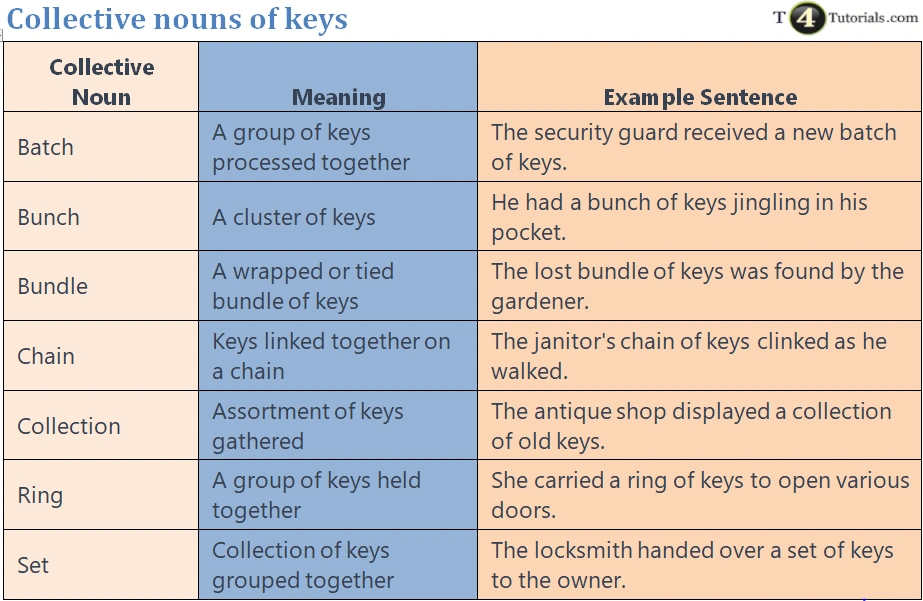
This linguistic analogy deepens the mystique surrounding minor keys. The individual notes, or artistic motifs, may hold singular emotions but when experienced en masse—as a collective—they create an expanded narrative, one that transcends personal boundaries to touch on universal truths. This reveals art not just as solitary creation but as communal catharsis, a shared exhale that resonates across audiences and creators alike.
The Psychological Resonance of Minor Tonality
Psychologists note that minor keys and tones often trigger a more complex emotional response than their major counterparts. The minor key’s melancholic quality is not simply sadness; it is an intricate tapestry of longing, memory, and sometimes, hopeful acceptance. This emotional complexity draws us in, compelling introspection and empathy. It mimics the contours of lived experience—imbued with hardships, triumphs, and the spaces in between.
Within the contemporary art world, this manifests in works that challenge the viewer to confront discomfort, ambiguity, or subtle beauty often overlooked in more overtly “positive” art. Artists harness this psychological resonance with an acute awareness that the collective exhale is most potent when it encapsulates contradictions—pain and peace, despair and hope—simultaneously.
Fashioning the Exhale: Art as a Ritual of Release
Fashion and wearable art also exemplify this collective release. The deliberate choice of subdued palettes, profound symbolism, and intricate craftsmanship aligns closely with the concept of minor tonality’s reflective depth. Take, for instance, the “EXHALE” tee from a contemporary art collective—a tangible embodiment of the moment we collectively let go, a wearable exhalation that invites both creator and wearer into the shared act of catharsis.

This garment is more than clothing; it is a statement, an extension of an emotive impulse translated into form. It embodies a deeper narrative—a collective sigh that unites individuals through style, sentiment, and subtle rebellion against superficiality. The minor key art world thus breathes not only through galleries and soundscapes but also through the very fabric that adorns our bodies.
Cultural Implications: The Enduring Allure of the Minor
The fascination with minor keys—be it musical, visual, or linguistic—mirrors broader cultural dialectics surrounding vulnerability and strength. In a world often dominated by relentless optimism and performative joy, the minor key offers a sanctuary for complexity. It validates the shadows, the undercurrents of emotion that refuse easy categorization.
This cultural positioning reinforces why the collective exhale resonates so deeply: it is a rebellion through quietness, an acknowledgment of the human condition’s multiplicity, a collective meditation on imperfection and profundity. The art world’s embrace of this minor tonal quality signifies a reckoning with contemporary anxieties and hopes, a shared breath drawn from the depths of the psyche shared widely and felt profoundly.
Conclusion: The Perpetual Breath of Artistic Minor Keys
In the collective exhale of the art world, the minor key reveals itself as a conduit for shared humanity. It transcends mere aesthetic preference to become a mode of being—one that invites layered emotions and communal reflection. This fascination endures because it mirrors life’s intricate cadence, honoring both the light and its shadow with harmonious tension.
Whether through the reflective serenity of landscapes, the linguistic poetry of collective nouns, psychological depth, or the tactile symbolism in wearable art, the minor key invites participation in this collective breath—a breath that unites creators and audiences in a ritual of emotional authenticity. In an ever-noisy and fast-paced world, this exhale becomes not only necessary but transformative, a quiet anthem for the soul seeking truth in the subtle hues of human experience.


Leave a Comment