

What is it about the somber hues and introspective visuals of sadness that captures Instagram feeds en masse, despite its seemingly melancholic nature? Could there be a secret alchemy at play behind the allure of minor keys—the melancholia cradled within photos that invite viewers to linger and reflect rather than merely scroll past? The Instagram aesthetic of sadness is not simply a digital display of gloom; it is a multifaceted phenomenon that thrives on emotional resonance, visual storytelling, and cultural zeitgeist. Unpacking this enigma reveals why sadness, draped in the garb of artistic subtlety, works so powerfully in an endlessly curated visual world.
The Intriguing Appeal of Melancholy Imagery
The Instagram landscape, saturated with smiles, sunsets, and flawless moments, carves out a space where sadness emerges not as a burden but as an exquisite aesthetic. Why would anyone willingly wade into sadness when social media often promotes joy and exuberance? The answer lies in the paradox of beauty and vulnerability. Images steeped in sadness often evoke a profound emotional response—A wistful look, a solitary figure framed against a muted backdrop, or the soft blur of subdued colors—each photograph transmits a story that words alone fail to capture.
This evocative power taps into a deep human need for authenticity. In a world dominated by polished perfection, sadness offers a raw, unfiltered glimpse into genuine emotion. It is an invitation for empathy, for connection through shared human experience. This renders sadness an elegant, almost sacred, narrative device on Instagram, transforming it into a canvas for profound communication.
Visual Language of Sadness: The Minor Key Palette
Minor keys in music evoke a sense of melancholy, introspection, and subtle tension. Instagram’s sadness aesthetic visually translates these sensory signals into imagery. The palette typically favors muted browns, desaturated blues, and somber grays, crafting an unmistakable atmosphere of pensive reflection. It’s as if the photos themselves “sing” in a minor key—each shadow, each tint conspires to play on the viewer’s inner emotional chords.
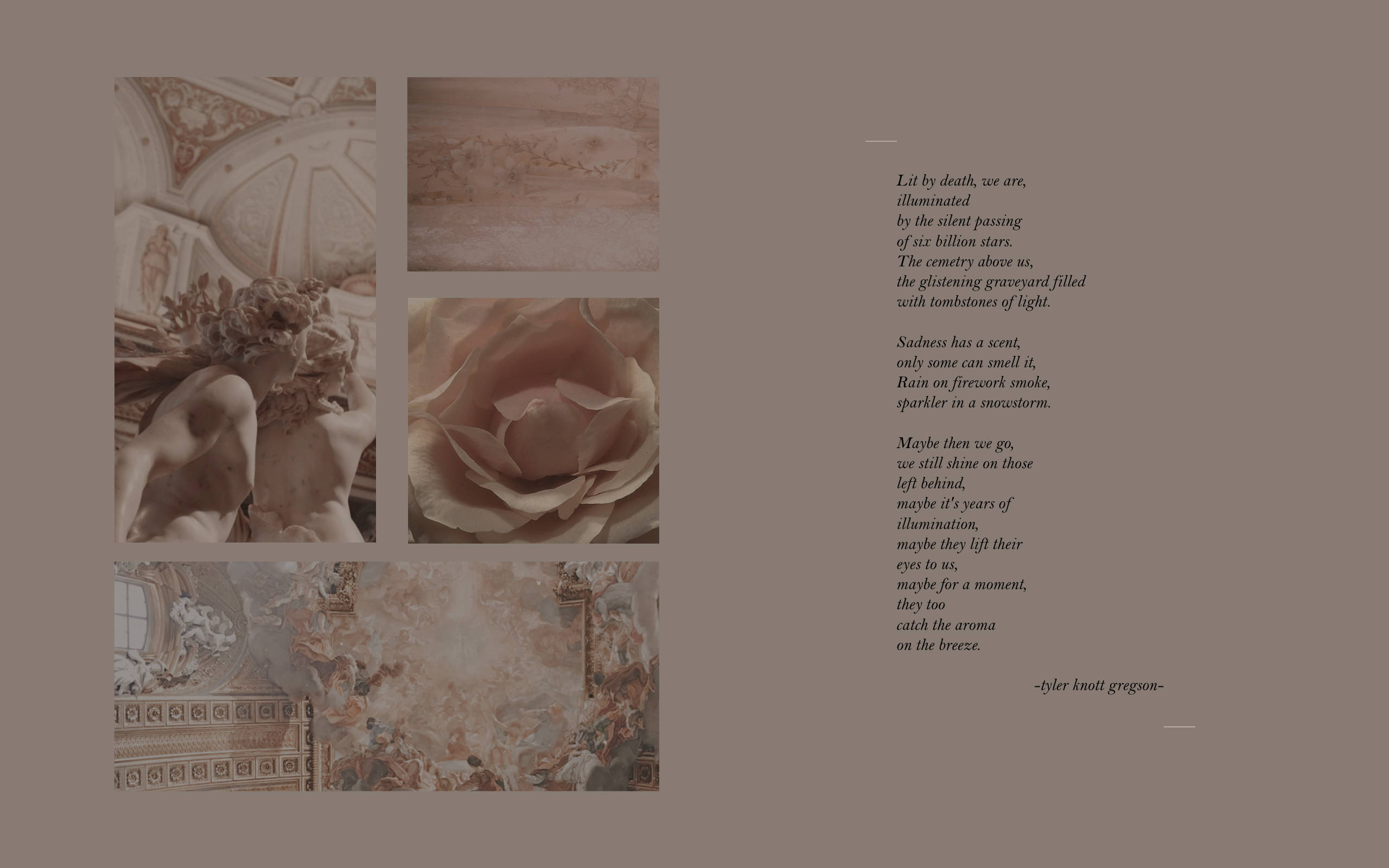
Take the brown collage wallpapers and muted tones that flood Instagram’s more contemplative corners. These visuals don’t scream for attention; rather, they compel subtle engagement, urging the viewer to inhabit the mood rather than escape it. This slower visual tempo provides a counterbalance to the high-octane energy of typical Instagram posts, creating a calming, almost hypnotic effect.
Theatrical Poses and the Art of Expressive Stillness
Sadness on Instagram isn’t solely about color or lighting; it’s also about the language of the body. The poses captured in these photos often embody stillness and introspection—heads bowed, gazes cast downward, or hands gripping objects like a glass of whiskey, evoking narratives of quiet despair or contemplative solitude. This deliberate choreography of melancholy encourages the viewer to interpret and immerse themselves in the story behind the image.
Consider the image of the drunk man lying at a table, glass in hand, car keys scattered nearby. It’s a portrait simultaneously intimate and universal—a frozen moment of struggle that hints at stories left untold. Such poses do not demand pity; instead, they command respect for the complexity of human emotion. This approach transforms sadness from an individual affliction into a symbol of collective vulnerability and resilience.

Why Does This Aesthetic Resonate So Deeply?
The popularity of the sadness aesthetic uncovers a fascinating cultural undercurrent. In an era where mental health conversations are gaining unprecedented visibility, these images serve as visual touchstones for emotions often stigmatized or dismissed. They give face and form to pain, making it tangible and, paradoxically, more manageable.
Moreover, they invoke nostalgia and introspection—two potent emotional states that foster connection and self-awareness. This aesthetic satisfies an intrinsic yearning for depth in a digital realm frequently criticized for superficiality. Audiences resonate with sadness on Instagram not despite its negative connotations, but because it affirms the full spectrum of human experience. It validates feelings often pushed to the shadows.
Against the Grain: Sadness as Playful Provocation
Is it surprising that sadness, seemingly antithetical to social media’s typical cheer and charisma, thrives as an aesthetic? This leads to a playful challenge: could embracing sadness actually empower users to enrich their visual storytelling and emotional engagement?
By positioning sadness not as defeat but as nuanced complexity, creators and viewers alike participate in a subversive celebration of emotional honesty. It confronts the relentless positivity bias of feeds and stories, inviting richer, layered narratives that captivate and comfort. In doing so, it questions social media conventions and expands the landscape of digital expression.
Concluding Reflections: The Beauty in Minor Keys
The Instagram aesthetic of sadness proves that less buoyant emotions can paint some of the most compelling visual stories. Through muted palettes, thoughtful poses, and evocative imagery, sadness resonates deeply—drawing viewers into moments ripe with feeling and meaning. It challenges the cultural imperative for constant happiness, suggesting instead that beauty and authenticity emerge from embracing our full emotional range.
In these minor keys lies a poignant revelation: sadness is not a flaw to be hidden but an art form to be explored and shared. This aesthetic doesn’t just work—it thrives, offering a soulful counterpoint to the digital world’s dazzling spectacle, and reminding us that at the heart of every feed is a very human beat.


Leave a Comment