

Step into a world where soundscapes and visual narratives converge. Koyo Kouoh’s curatorial marvel, “In Minor Keys,” crafted for the Venice Art Biennale 2026, is a resonant exploration that vibrantly challenges traditional perceptions and expands the boundaries of contemporary art. This extraordinary exhibition does more than merely collect artworks; it weaves together a profound dialogue that reverberates with cultural significances, social commentaries, and artistic innovations. Visitors can expect to embark on a multisensory journey, where the faint nuances of minor keys manifest into a powerful symphony of meaning and emotion.
Unveiling the Thematic Core: The Resonance of Minor Keys
At first glance, the title “In Minor Keys” may evoke the subtle melancholies and understated complexities found in music—tones that rarely dominate but deeply influence the emotional landscape. Kouoh ingeniously transposes this concept into the realm of visual art, fostering a thematic atmosphere suffused with introspection, layered tension, and nuanced storytelling. Rather than the grandiose notes of major scales, this exhibition thrives on the delicate, often overlooked harmonics, inviting viewers to attune themselves to quieter narratives that pulse beneath the surface of contemporary discourse.
This thematization challenges audiences to reconsider the potency of marginal voices and subdued perspectives, asserting their critical role in shaping our understanding of global culture. In essence, “In Minor Keys” is not just an exhibition—it is an invitation to listen deeply, through the rhythms of art, to the world’s more hidden truths and subtle refrains.
An Eclectic Assembly: Diverse Art Forms and Media
Prepare to be immersed in an eclectic array of artistic mediums that span painting, sculpture, photography, installation, sound art, and multimedia works. Kouoh curates this diverse constellation with a keen eye for coherence amid heterogeneity, allowing each piece to converse across disciplines. The multimedia installations, in particular, create immersive environments where visual and auditory elements coalesce, enveloping the viewer in an all-encompassing sensory experience.

Photographic works within the exhibition often serve as poignant anchors, capturing fleeting moments that evoke memory and identity. Sculpture and installation art defy traditional spatial constraints, encouraging physical engagement and introspection. Collectively, these varied forms create a kaleidoscopic mosaic through which the subtle motifs of minor key tonalities emerge in tangible, evocative ways.
The Curator’s Vision: Koyo Kouoh’s Groundbreaking Role
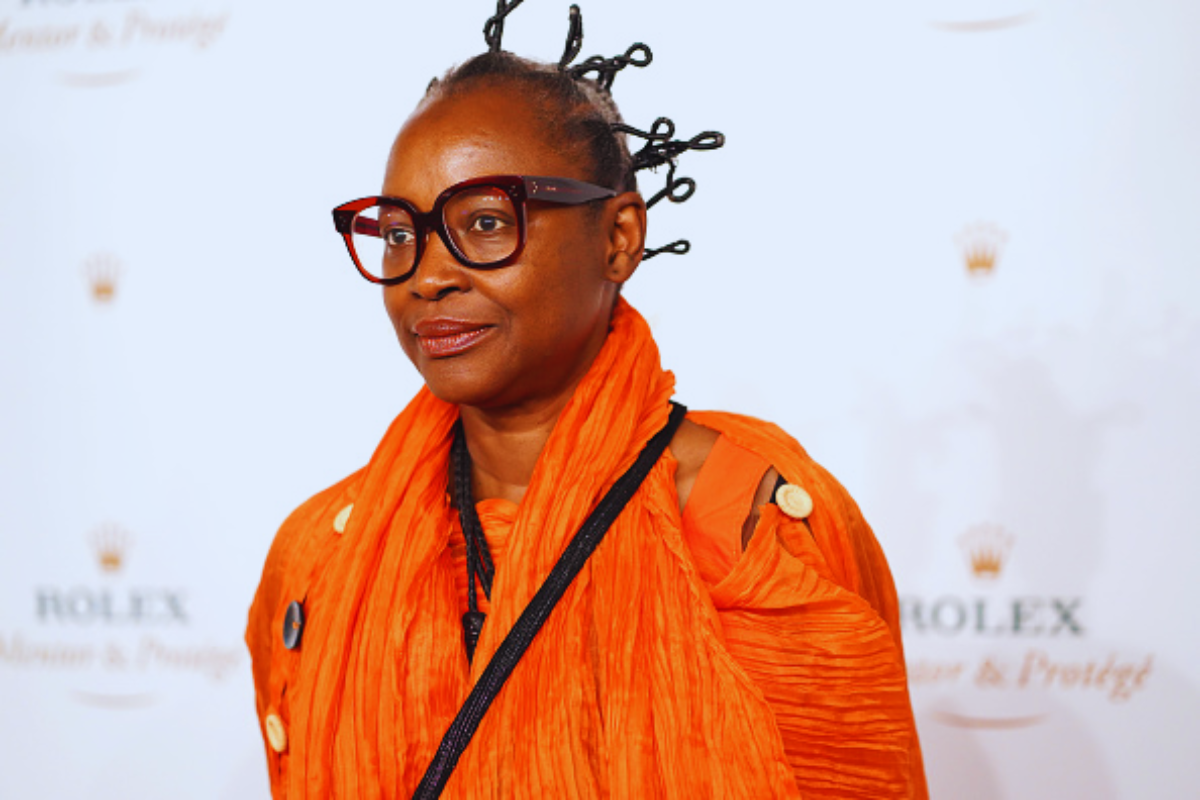
Kouoh’s direction represents a watershed moment in curatorial practice, distinguished not only by her visionary approach but also by her deliberate focus on inclusivity and socio-political consciousness. Her role transcends conventional curation by enabling artists from underrepresented geographies and backgrounds to foreground pivotal narratives that might otherwise be overshadowed.
Kouoh’s approach is rooted in a dialogic process, emphasizing collaboration and the co-creation of meaning. Her curatorial voice is unmistakable—imbued with intellectual rigor, compassion, and an unwavering commitment to challenging cultural hegemonies. This exhibition stands as a testament to her ability to orchestrate complex thematic and aesthetic layers into a cohesive, compelling statement that resonates with contemporary global challenges.
Narratives of Identity, Memory, and Resistance
The artworks presented in “In Minor Keys” touch upon pressing themes of identity, memory, and resistance, invoking histories that are frequently marginalized. Through diverse artistic languages, the exhibition encapsulates personal and collective experiences shaped by dislocation, diaspora, and systemic inequities.
Memory is explored not as a mere recollection of the past but as a dynamic, contested terrain that shapes present realities and future aspirations. The exhibition’s political undertones are deftly interwoven with aesthetic undertakings, fostering a critical engagement that urges spectators to reckon with the complexities of socio-political struggles worldwide.
The Experiential Dimension: Engaging the Senses Beyond Vision
“In Minor Keys” redefines the act of viewing through an experiential framework that engages senses beyond the visual. Soundscapes, an essential component of the exhibition, underscore the metaphorical significance of the minor key, adding depth and texture to the interpretative process.
This multisensory aspect is more than atmospheric; it operates as a catalyst for emotion and reflection. The auditory elements echo the subtle tensions and harmonies embedded in the exhibited works, inviting participants to experience art not just intellectually but viscerally. This immersive environment cultivates a heightened awareness and intimacy between the artwork and the observer.
A Forward-Looking Cultural Dialogue
“In Minor Keys” is not merely retrospective or reflective; it boldly gestures toward the future. The exhibition engages with the evolving landscape of global contemporary art, bridging generational gaps and fostering dialogues that transcend cultural and political boundaries. It challenges the inertia of dominant narratives and proposes alternative modes of knowledge and expression.
By foregrounding underexplored perspectives and artistic languages, Kouoh opens up new vistas for understanding the interconnectedness of art, society, and memory. The Biennale becomes a platform for envisioning futures where our collective stories are more inclusive, nuanced, and richly textured.
Conclusion: An Exhibition for the Ages
Koyo Kouoh’s “In Minor Keys” stands as a paragon of curatorial excellence and innovation. Its layered complexity and thematic depth offer viewers a rare opportunity to immerse themselves in a thoughtfully orchestrated symphony of art and thought. From the subtle resonance of minor tonalities to the powerful sociopolitical currents running through the works, the exhibition invites us all to listen more attentively—to the subdued, to the sidelined, and to the profound.
As visitors move through this compelling artistic terrain, they encounter a richly woven narrative that honors diversity, embraces complexity, and compels reflection. “In Minor Keys” is, without doubt, a curatorial statement that will echo through time, inspiring not only the art world but also our broader cultural consciousness.


Leave a Comment