

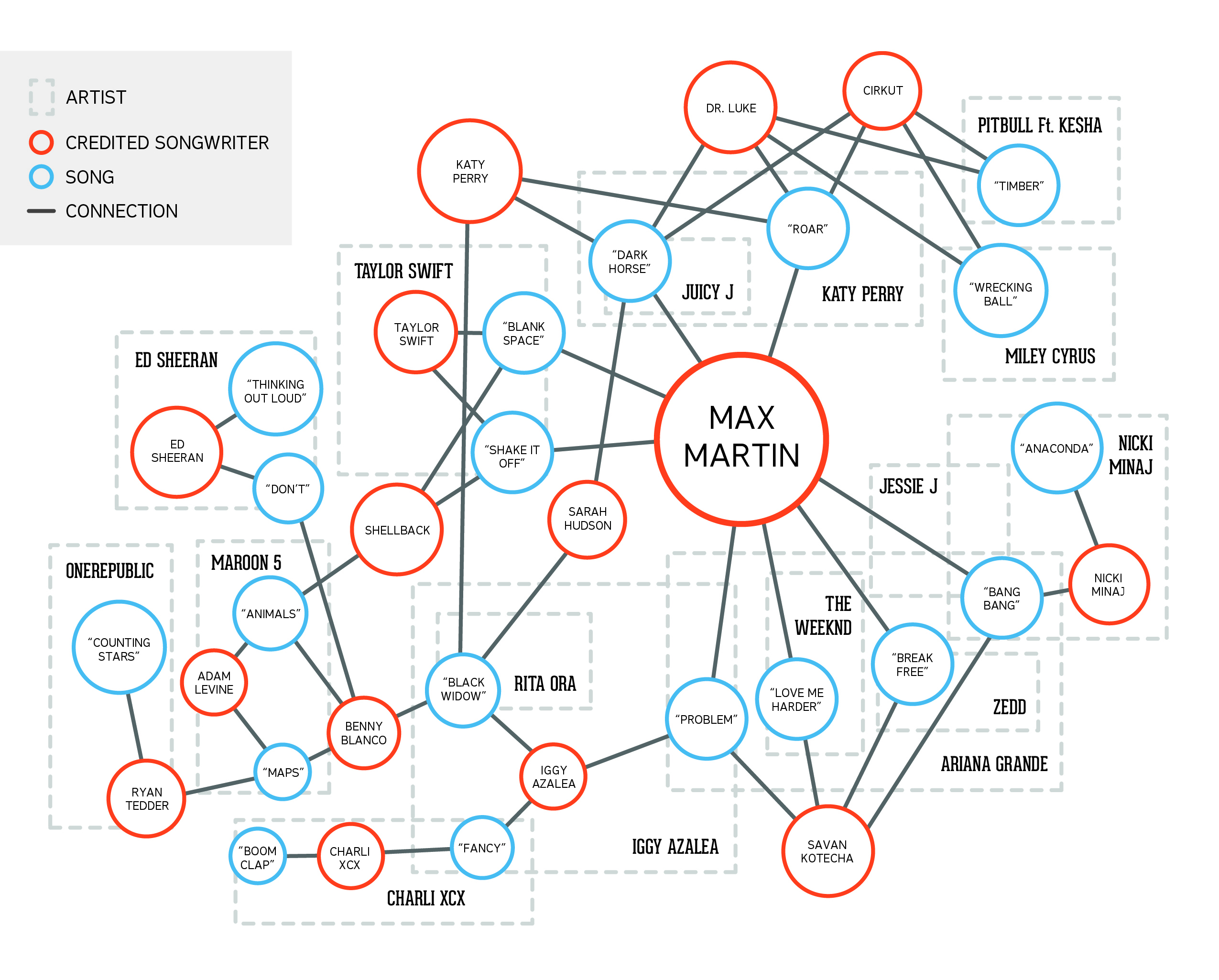
Ever wondered how a single songwriter can churn out chart-toppers like they’re on autopilot? Meet Max Martin—Sweden’s melodic maestro, the architect of anthems that have dominated the airwaves for decades. From Britney Spears’ “…Baby One More Time” to Taylor Swift’s “Blank Space,” his fingerprints are all over pop’s most infectious hooks. But here’s the kicker: his songwriting isn’t just talent—it’s a science. A meticulous, almost mathematical formula that turns humdrum melodies into global phenomena. So, what’s the secret? Can you *really* crack Max Martin’s code? Let’s dissect his melodic math in five deliberate steps—and prepare to challenge everything you thought you knew about pop songwriting.
The Hook Equation: Crafting a Melody That Sticks Like Glue
Max Martin’s hooks aren’t just catchy—they’re *inescapable*. The man has turned the art of the hook into a near-scientific discipline. At its core, his approach revolves around the “hook equation”: a balance of repetition, rhythmic unpredictability, and emotional resonance. Take “Can’t Feel My Face” by The Weeknd—its chorus isn’t just memorable; it’s *mathematically* optimized. The melody ascends in a predictable pattern (like a sine wave), but the syncopated rhythm throws listeners off just enough to keep them hooked. It’s the pop equivalent of a perfectly timed joke: you know the punchline is coming, but the delivery makes it irresistible.
But here’s where it gets sneaky. Max doesn’t rely on complexity. His hooks thrive on *simplicity with a twist*. The verse might lull you into a false sense of security with a straightforward melody, but the pre-chorus or chorus introduces a subtle rhythmic shift—a syncopated note here, a delayed resolution there. It’s like a magician’s misdirection: your brain expects one thing, but the slight deviation makes the trick unforgettable. The challenge? Stripping your melody down to its bare essentials while ensuring it still feels fresh. Can you resist the urge to overcomplicate? Max can. And that’s why his hooks work.
Chord Progressions: The Hidden Architecture of Pop Perfection
If Max Martin’s hooks are the melody’s skeleton, his chord progressions are the nervous system—subtly guiding the listener’s emotions without them ever realizing it. His go-to? The I-V-vi-IV progression (e.g., C-G-Am-F), a staple in pop music that feels like a warm hug. But here’s the twist: he doesn’t just play it straight. He *warps* it. In “Shake It Off,” the progression shifts slightly in the bridge, introducing a borrowed chord (borrowing from the parallel minor) to create a moment of tension before resolving back to the familiar. It’s like adding a dash of spice to a familiar recipe—suddenly, it’s irresistible.

But Max doesn’t stop there. He’s a master of *chromatic mediants*—chords that are a third apart but share no common tones, creating a sense of surprise without dissonance. In “Blank Space,” the bridge’s chord shift from D major to B minor feels like a sudden gust of wind in an otherwise calm landscape. The result? A progression that feels both inevitable and surprising. The challenge for aspiring songwriters? Learning to treat chord progressions like a spice rack—knowing when to add a pinch of dissonance, when to dial back to comfort, and how to make the familiar feel brand new.
Rhythmic Sleight of Hand: Syncopation as a Secret Weapon
Max Martin’s rhythms aren’t just steady—they’re *sly*. He’s the puppet master of syncopation, using off-beat accents to create a sense of groove that feels both natural and electrifying. Take “I Want It That Way” by the Backstreet Boys: the pre-chorus is a masterclass in rhythmic tension. The melody lingers on the off-beats, creating a push-and-pull that makes the chorus feel like a release. It’s like a dance where every step is slightly delayed—just enough to keep you on your toes.
But syncopation isn’t just about throwing in random off-beat notes. It’s about *strategic* placement. Max often uses syncopation to highlight the most emotionally charged lyrics, making them feel like they’re bursting out of the song. In “Love Me Like You Do,” the syncopated rhythm in the chorus makes the title feel like a breathless confession. The challenge? Training your ear to hear the spaces between the beats. Can you make silence as powerful as sound? Max does. And that’s how he turns simple rhythms into hypnotic grooves.
The Bridge Paradox: Breaking the Pattern Without Breaking the Spell
Every great pop song has a moment where the formula seems to bend—if not break. For Max Martin, that moment is the bridge. It’s the section where the predictable becomes unpredictable, where the listener’s expectations are upended just long enough to make the return to the chorus feel like a homecoming. In “Since U Been Gone,” the bridge introduces a key change and a shift in dynamics, creating a sense of urgency before the final chorus explodes. It’s like a rollercoaster hitting its steepest drop—you know the thrill is coming, but the execution makes it unforgettable.
But here’s the paradox: the bridge must feel *unexpected* yet *inevitable*. Max achieves this by introducing a subtle variation—a rhythmic shift, a harmonic detour, or a lyrical twist—that feels like a natural evolution of the song. The challenge? Avoiding the temptation to overcomplicate. A bridge doesn’t need to be a 16-bar odyssey; it just needs to feel like the song has taken a breath before diving back into the chorus. Can you make less feel like more? Max can. And that’s why his bridges work.
Lyrical Alchemy: Turning Clichés into Gold
Max Martin’s lyrics aren’t Shakespearean, but they don’t need to be. They’re the distilled essence of pop poetry—simple, relatable, and emotionally charged. His genius lies in taking the most overused phrases (“I’m a mess,” “you’re my everything”) and infusing them with a sense of freshness. How? By pairing them with unexpected melodic contours or rhythmic placements. In “…Baby One More Time,” the line “My loneliness is killing me” isn’t just a cliché—it’s delivered with a sigh that makes it feel like a confession.

But Max doesn’t just rely on clever phrasing. He understands the power of *implication*. A lyric like “I’m a nightmare dressed like a daydream” in “Blank Space” doesn’t just describe a relationship—it paints a vivid, almost cinematic picture. The challenge for songwriters? Stripping lyrics down to their emotional core while ensuring they still feel vivid and real. Can you make the mundane feel mythic? Max does. And that’s how he turns pop songs into cultural touchstones.
So, can you crack Max Martin’s melodic math? The answer isn’t in memorizing his chord progressions or replicating his hooks verbatim. It’s in understanding the *principles* behind his genius: the balance of repetition and surprise, the power of strategic simplicity, and the art of making the familiar feel brand new. Pop music isn’t just about formulas—it’s about feeling. But if you want to write songs that resonate on a global scale, you’d do well to study the man who’s turned melodic math into an art form. Now, go forth and write something unforgettable.


Leave a Comment