

The obituary for NFTs has been written—again and again. Yet, like a phoenix rising from the ashes of a marketplace fire sale, something new stirs in the digital underbrush. The narrative has shifted. The spotlight no longer glints on pixelated apes or algorithmically generated punks. Instead, it falls upon a quieter revolution: Ordinals. These aren’t just another flavor of token. They are the digital equivalent of carving your initials into the bark of the internet’s oldest tree—permanent, unalterable, and deeply personal. In a world where attention spans flicker like dying embers, Ordinals whisper a promise: that digital collectibles can be more than speculative playthings. They can be heirlooms. They can be art. They can be the silent witnesses to a cultural metamorphosis.
Imagine, if you will, a vast digital archive where every artifact carries the weight of its own creation. No intermediaries. No gas fees spiraling into the stratosphere. Just a direct line from creator to collector, etched into the immutable ledger of Bitcoin. That’s the quiet magic of Ordinals. They’ve transformed Bitcoin from a fortress of financial sovereignty into a canvas for creativity. The shift isn’t just technical—it’s philosophical. It’s a rejection of the ephemeral in favor of the eternal. And in doing so, it’s redefining what it means to own something in the digital age.
The Death of the NFT Hype—and the Birth of Something Quieter
For years, NFTs were the darlings of the internet’s speculative id. They promised ownership, authenticity, and a slice of the digital pie. But as the hype peaked, so did the skepticism. The market became a circus of overpriced JPEGs, where value was often dictated by hype rather than substance. The backlash was swift and brutal. Critics labeled NFTs as a Ponzi scheme, a fleeting fad, a playground for the crypto-rich. And in many ways, they weren’t wrong. The early iterations of NFTs were often shallow, transactional, and devoid of deeper meaning.
Yet, beneath the noise, a quieter evolution was taking place. Artists, creators, and collectors began to question the status quo. They sought something more enduring. Something that couldn’t be replicated, diluted, or forgotten. Enter Ordinals—a protocol that leverages the Bitcoin blockchain to inscribe unique digital artifacts directly onto satoshis, the smallest units of Bitcoin. No smart contracts. No middlemen. Just pure, unadulterated digital permanence. It’s as if the internet finally found its Rosetta Stone—a way to encode meaning into the very fabric of its existence.
This shift isn’t just about technology. It’s about a cultural reckoning. The NFT boom was, in many ways, a mirror held up to the excesses of the digital age. Ordinals, by contrast, reflect a desire for authenticity in a world drowning in noise. They represent a return to first principles: ownership, scarcity, and the immutable record of history. In a landscape where everything is copyable, Ordinals offer something rare—a digital artifact that can’t be forged, duplicated, or erased.
Ordinals: The Alchemy of Turning Bitcoin into Art
At its core, the Ordinals protocol is a masterclass in digital alchemy. It takes the raw, unyielding power of the Bitcoin blockchain and transmutes it into something entirely new: digital collectibles that are as much about artistry as they are about technology. Each Ordinal is a satoshi, the smallest unit of Bitcoin, but it’s also a vessel for creativity. Artists can inscribe images, text, or even entire programs onto these satoshis, creating artifacts that are as unique as a fingerprint.
What makes this so revolutionary is the medium itself. Bitcoin isn’t just a currency—it’s a cultural artifact, a symbol of decentralization, and a testament to the power of cryptography. By inscribing Ordinals onto Bitcoin, creators are tapping into a legacy that spans over a decade. They’re not just making art; they’re contributing to the ongoing narrative of the blockchain. It’s a bit like painting on the ceiling of the Sistine Chapel, except the chapel is the entire internet, and the paint is pure, decentralized code.
The process is deceptively simple. When a satoshi is mined, it’s assigned an ordinal number based on its position in the blockchain. These numbers are then used to track and transfer the satoshi, much like how traditional NFTs use token IDs. But here’s the twist: Ordinals don’t require a separate token standard. They exist natively on Bitcoin, which means they inherit the security, immutability, and decentralization of the Bitcoin network. No smart contracts. No additional layers. Just pure, unadulterated digital ownership.
This simplicity is what makes Ordinals so compelling. In a world where blockchain technology often feels like a labyrinth of complexity, Ordinals offer a breath of fresh air. They strip away the noise and focus on what truly matters: the artifact itself. Whether it’s a pixelated image, a poem, or a piece of interactive code, Ordinals are a testament to the idea that digital art doesn’t need to be complicated to be profound.
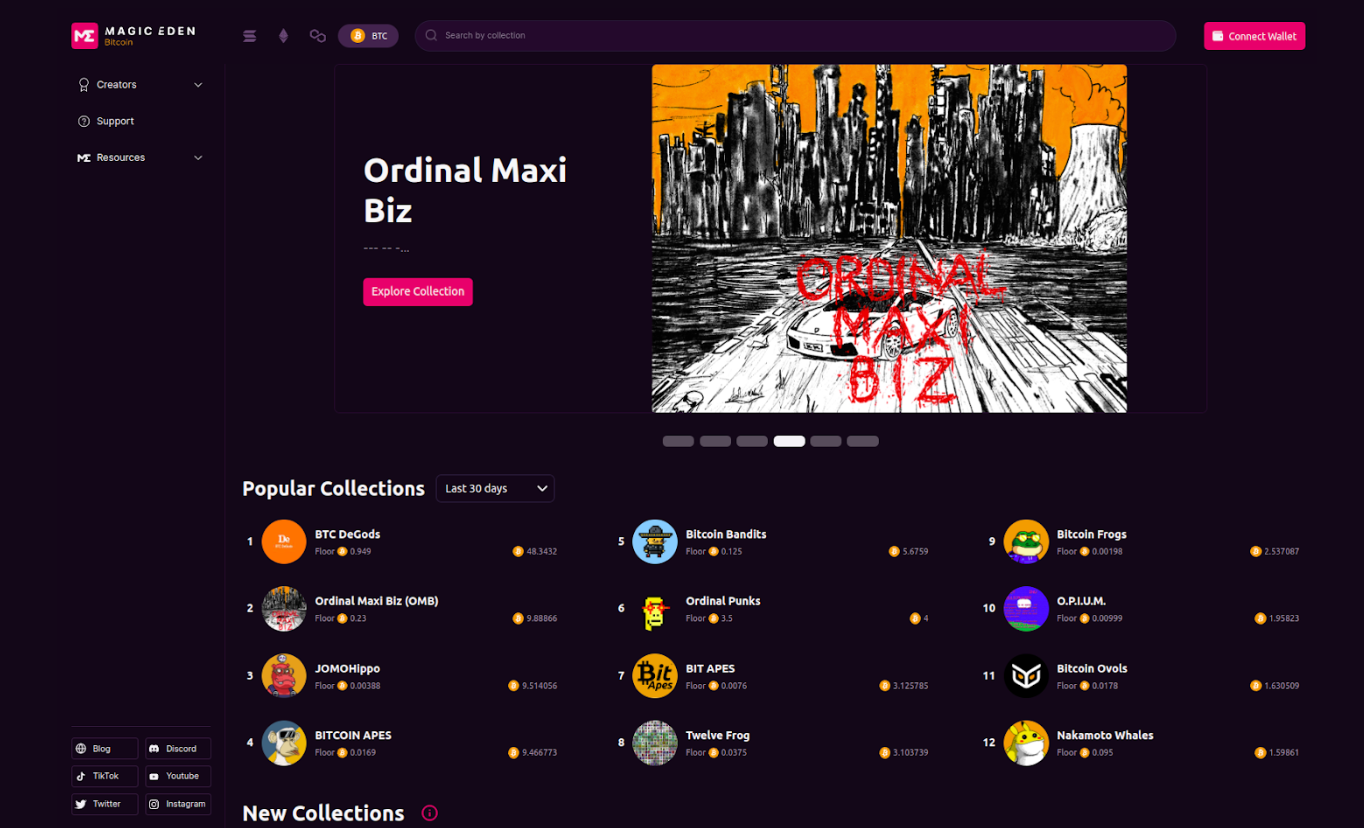
Digital Collectibles: More Than Just JPEGs
Digital collectibles have long been dismissed as frivolous, a digital equivalent of trading cards or Beanie Babies. But Ordinals are changing that perception. They’re transforming digital collectibles from mere novelties into meaningful artifacts that carry cultural, historical, and artistic weight. Each Ordinal is a piece of digital history, a snapshot of a moment in time that can’t be altered or erased.
Consider the appeal of physical collectibles. A rare baseball card isn’t just a piece of cardboard; it’s a connection to a moment in sports history. A vintage comic book isn’t just paper and ink; it’s a window into the cultural zeitgeist of its time. Ordinals offer the same kind of connection, but in the digital realm. They’re not just files; they’re artifacts that tell a story. Whether it’s the first Bitcoin block inscribed with an image, a poem written in code, or a piece of generative art, each Ordinal is a chapter in the ongoing story of digital culture.
This shift in perception is crucial. It moves digital collectibles beyond the realm of speculation and into the realm of art and history. Collectors aren’t just buying tokens; they’re acquiring pieces of digital heritage. They’re participating in a cultural movement that values permanence, authenticity, and creativity. In a world where everything is transient, Ordinals offer a rare commodity: permanence.
The appeal of digital collectibles isn’t just about ownership—it’s about community. Collectors form tight-knit groups around shared interests, trading stories, insights, and artifacts. They’re not just investors; they’re curators, historians, and artists. They’re building a new kind of digital culture, one that values substance over hype, meaning over speculation, and permanence over fleeting trends.
The Bitcoin Blockchain: A New Frontier for Creativity
The Bitcoin blockchain has long been the domain of financial transactions and monetary sovereignty. But with the advent of Ordinals, it’s becoming something more: a canvas for creativity. Artists, writers, and developers are flocking to Bitcoin, not just to trade value, but to create art. This is a seismic shift. It’s as if the internet’s oldest and most secure blockchain has suddenly sprouted wings, ready to soar into new creative territories.
The implications are profound. Bitcoin’s security, decentralization, and immutability make it an ideal platform for digital art and collectibles. Unlike other blockchains, which often struggle with scalability and high fees, Bitcoin offers a robust, battle-tested foundation for creativity. Artists can inscribe their work directly onto the blockchain, knowing that it will remain unchanged for generations to come. There’s no risk of a server crash, a platform shutdown, or a centralized authority seizing control. The art is free, and it’s forever.
This new frontier isn’t just for artists, though. It’s for anyone who values digital permanence. Writers can inscribe their stories onto satoshis, creating digital heirlooms that can be passed down through generations. Musicians can encode their compositions into the blockchain, ensuring that their work lives on long after they’re gone. Developers can create interactive art and programs that run natively on Bitcoin, pushing the boundaries of what’s possible in the digital realm.
The Bitcoin blockchain is no longer just a ledger of transactions. It’s a gallery, a library, and a museum all rolled into one. It’s a testament to the idea that technology can be more than just a tool—it can be a medium for human expression. And in a world where digital art is often dismissed as ephemeral, Ordinals are proving that it can be eternal.

The Future: A Digital Renaissance Fueled by Ordinals
The rise of Ordinals isn’t just a trend—it’s the beginning of a digital renaissance. It’s a movement that values art, history, and permanence in a world that often prioritizes speed and convenience. It’s a rebellion against the ephemeral, a celebration of the eternal. And it’s only just beginning.
As more artists, creators, and collectors embrace Ordinals, the digital landscape will continue to evolve. We’ll see new forms of art emerge—interactive experiences, generative masterpieces, and perhaps even entirely new genres of digital expression. The Bitcoin blockchain will become a hub for creativity, a place where the boundaries between art, technology, and culture blur into something entirely new.
This renaissance won’t be without its challenges. Scalability, adoption, and the ever-present specter of regulation will all play a role in shaping the future of Ordinals. But the potential is undeniable. We’re witnessing the birth of a new cultural movement, one that values substance over hype, meaning over speculation, and permanence over fleeting trends. It’s a movement that’s not just about owning digital artifacts—it’s about creating a digital legacy.
The obituary for NFTs may have been written, but the story of digital collectibles is far from over. In fact, it’s just beginning. With Ordinals, we’re not just witnessing the death of an old paradigm—we’re seeing the birth of something far more profound. We’re seeing the dawn of a digital renaissance.
The canvas is vast. The tools are powerful. The future is waiting. All that’s left is to create.


Leave a Comment