

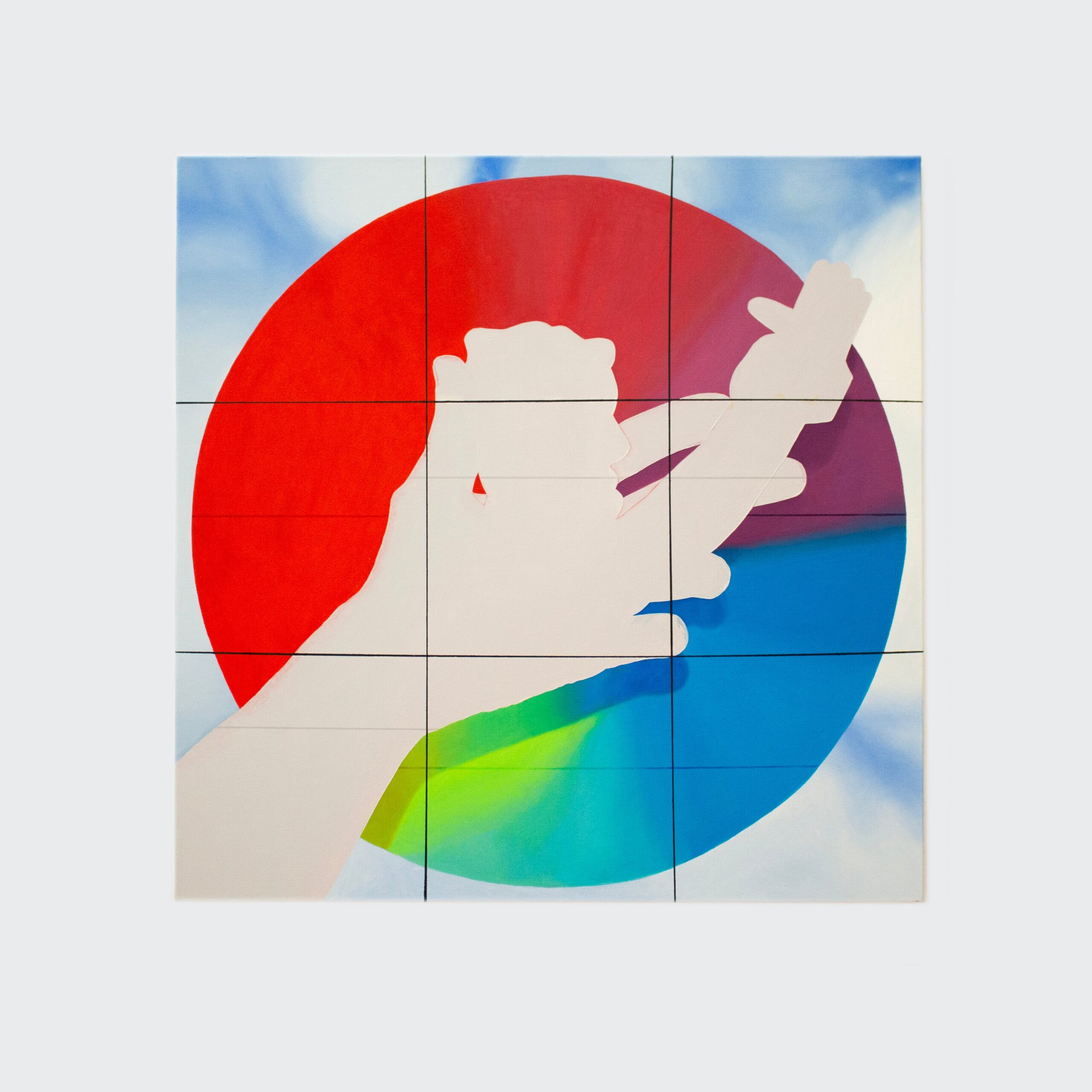
Color, in the realm of design, is much akin to a powerful conductor, wielding the ability to orchestrate emotions and evoke responses with nuanced finesse. As such, the principles of color theory serve as the underpinnings of artistic expression, guiding creators in their quest to evoke specific moods or sentiments through the visual spectrum. Understanding how color influences emotion is not merely an endeavor of aesthetics; it is an exploration of the human psyche interwoven with the kaleidoscope of hues.
To appreciate the profundity of color theory, one must first delve into the fundamentals of color itself. At its core, color can be categorized into primary colors—red, blue, and yellow—which serve as the building blocks for the creation of all other hues on the color wheel. Secondary colors, born from the union of primary colors, include green, orange, and purple. This triadic harmonization fosters a vibrant tapestry, where each shade revels in its individuality while contributing to the overarching symphony of design.
As designers embark on a journey through the color wheel, they encounter the notion of complementary colors—pairs that exist in stark opposition yet illuminate one another when placed side by side. Consider the juxtaposition of violet and yellow; this dynamic relationship not only creates visual interest but also engages the viewer on an emotional level. Complementary colors are akin to unlikely friendships that spark conversations and evoke curiosity.
Moving further into the lexicon of color theory, one discovers the concept of analogous colors. These hues, nestled snugly beside one another on the color wheel, forge a sense of harmony and tranquility. A palette anchored in analogous colors—think lush greens, deep blues, and warm yellows—can evoke feelings of serenity and calm, wrapping the observer in a warm embrace. This tranquil interplay stands in contrast to the oft-chaotic world, offering a refuge of color that beckons for deeper reflection.
Yet, not all colors resonate equally across the spectrum of human emotions. Red, a color steeped in symbolism and vitality, pulsates with energy and can incite passion or urgency. This is evident in marketing campaigns where bold red shades compel consumers to act swiftly. In contrast, the calming blues and greens instill a sense of peace, reminiscent of gentle waves lapping against a serene shoreline. When applied judiciously, color can serve as a narrative thread that weaves emotion into the fabric of design, unlocking an array of responses from the audience.
In the hands of seasoned designers, color becomes a dialect, a language that transcends words and speaks directly to the heart. The inherent psychological impact of color choices can guide brand identity, influencing consumer perception and behavior. For instance, brands often gravitate toward blue for its connotations of trust and reliability, channeling a sense of security that reassures potential customers. Conversely, the allure of orange, with its vivacity, ignites enthusiasm and spontaneity, making it a preferred choice for promotional ventures designed to captivate and engage.
To navigate the complexities of color theory, designers are also cognizant of cultural connotations. A color’s significance can oscillate vastly across different societies. In Western cultures, white is traditionally associated with purity and new beginnings, while in some Eastern cultures, it embodies mourning. This intricate dance of meanings necessitates an acute awareness of the target audience, ensuring that color selections resonate intentionally rather than obfuscate the message.
Despite its captivating charm, working with color requires a delicate balance that can swiftly unravel into chaos. The principle of color harmony emerges as a guiding beacon, directing designers in their pursuit of aesthetic unity. Utilizing tools such as the color wheel, designers can achieve cohesive combinations that not only delight the eye but also resonate emotionally. Variations in saturation and brightness can transform the essence of a design; a muted pastel palette may evoke nostalgia, while vibrant, saturated hues can incite exuberance and vitality.
As designers craft visual narratives, the concept of color symbolism allows them to layer meanings and deepen engagement. Each hue can serve as a brushstroke that conveys a message. Gold, often linked with luxury, can adorn design elements to signify opulence and prestige, while earthy browns can ground a composition, invoking stability and connection to nature. This nuanced interplay of color creates an emotional landscape where the viewer can wander and connect with the essence of the design.
In the compelling world of design, colors do not merely adorn; they inform, communicate, and inspire. Crafting a delicate balance between emotions through skilled color application transforms mere visual experiences into profound journeys of perception. Colors are the brushstrokes upon the canvas of life, demanding attention and igniting the senses. With each shift of hue—be it the calming embrace of blue, the vivacious kiss of red, or the serene touch of green—designers harness the power of color theory to shape the emotional landscape of our shared human experience.
In closing, understanding the principles of color theory is akin to accessing a secret language that can profoundly shift perspectives and influence decisions. As designers wield this tool with intention and artistry, the ability to connect emotionally with audiences deepens, enhancing the narrative woven into every colorful creation. The marriage of art and psychology through color is an exploration that invites us to experience not only what we see, but how we feel.





Leave a Comment