

Have you ever watched a movie where, by the time the opening credits fade, you’re already checking your watch? Or worse—you’ve mentally drafted your grocery list before the protagonist utters their first line? If so, you’ve witnessed the silent killer of screenwriting: the dreaded 10-Page Rule. It’s the unspoken industry law that dictates whether your script survives the slush pile or gets tossed into the recycling bin by page eight. But why does this happen? And more importantly, how can you ensure your masterpiece doesn’t meet the same fate?
Let’s face it: the first ten pages of your script are a battleground. They’re where agents, producers, and script readers decide if your story is worth their time—or if they’d rather binge-watch cat videos on YouTube. These gatekeepers are inundated with scripts daily, and their patience is thinner than a Hollywood starlet’s patience for bad craft services. So, how do you make sure your script doesn’t join the 90% that get discarded before the inciting incident even rears its head? Buckle up, because we’re about to dissect the anatomy of a script that survives—and one that doesn’t.
The Opening Gambit: Why First Impressions Are Everything
Imagine walking into a party where the host greets you with a monologue about their childhood hamster. You’d probably sidle up to the snack table and never look back. The same principle applies to your script’s opening. If the first ten pages don’t grab the reader, they’re already mentally drafting their rejection email. The opening isn’t just about setting the scene; it’s about establishing tension, character, and stakes—all before the reader has time to blink.
Consider this: the average script reader spends less than five minutes on the first ten pages. That’s not a lot of time to make an impression. Your opening needs to be a symphony of intrigue, not a solo performance of exposition. Ditch the lengthy descriptions of the protagonist’s morning routine unless it’s vital to the plot. Instead, drop us into the middle of a crisis, a mystery, or a decision that forces the reader to ask, “What happens next?”
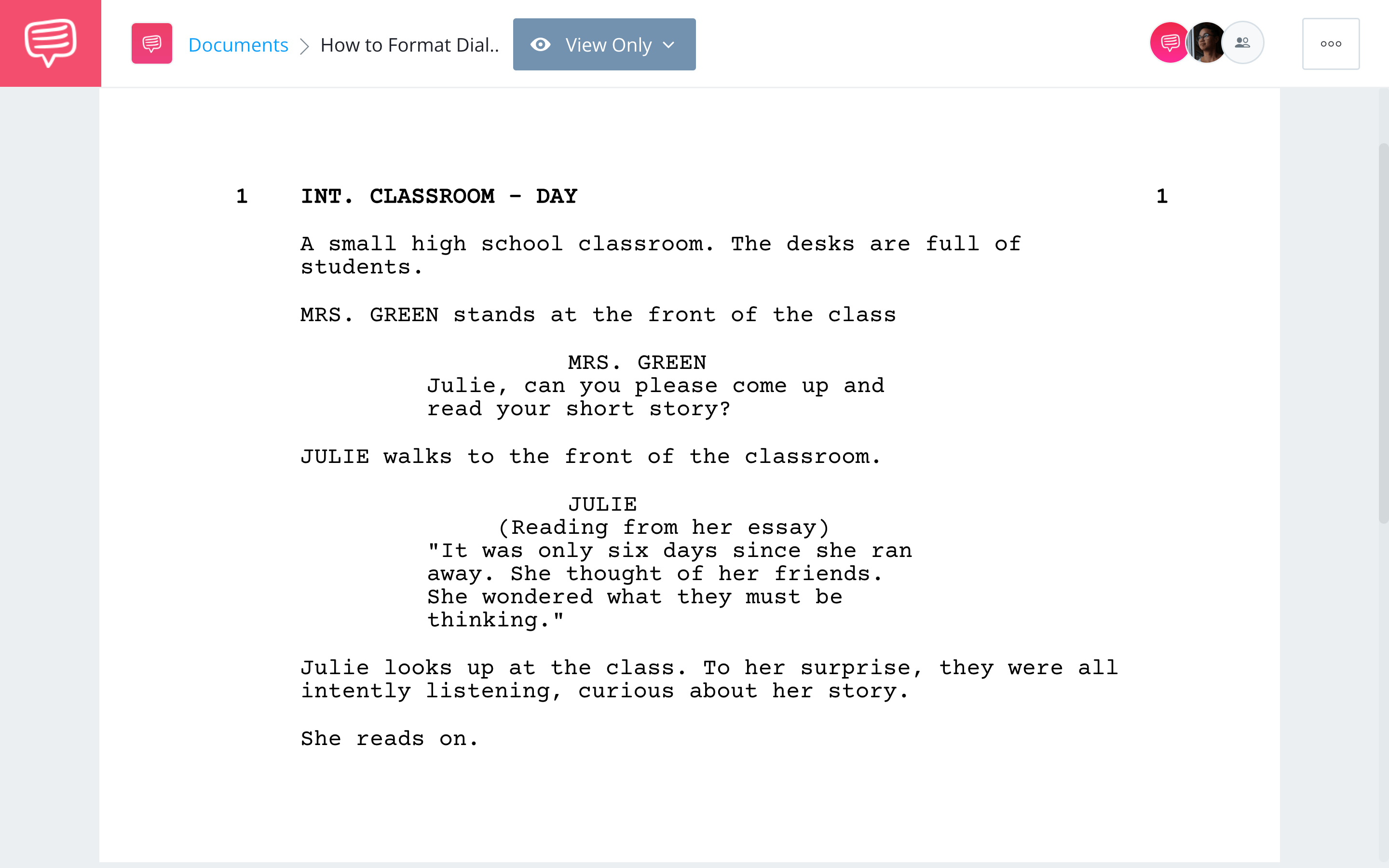
The Protagonist Problem: Are We Rootin’ for the Right Hero?
Here’s a hard truth: if your protagonist is as compelling as a wet sock, your script is doomed. By page eight, the reader should be invested in your main character’s journey—not just aware of their existence. This doesn’t mean your protagonist has to be a charismatic genius (though it helps). It means they need a flaw, a desire, or a secret that makes the reader care what happens to them.
Take, for example, the opening of Juno. Within the first ten pages, we meet a quirky, witty teenager who’s unexpectedly pregnant. We don’t need a backstory about her childhood to root for her; her immediate dilemma is enough. Contrast that with a script where the protagonist spends ten pages moping about their dead-end job before anything remotely interesting happens. The reader’s response? “Meh.”
Pro tip: If your protagonist hasn’t faced a challenge, made a tough choice, or revealed something personal by page eight, you’re in trouble. The reader needs to feel like they’re along for the ride, not just observing from the sidelines.
The Plot Paradox: Too Much, Too Soon vs. Not Enough, Too Late
Striking the right balance between plot and pacing is like walking a tightrope over a pit of alligators. Too much plot too soon, and the reader feels overwhelmed. Too little, and they feel bored. The first ten pages are where you lay the groundwork, but they’re also where you plant the seeds of the story’s central conflict.
Many scripts fail because they either over-explain or under-deliver. The former clogs the narrative with unnecessary details, while the latter leaves the reader scratching their head, wondering what the story is even about. The key is to introduce the central question early—something that hooks the reader and makes them desperate to find out the answer.
For instance, in Inception, the first ten pages don’t just introduce the concept of dream-sharing; they immediately throw us into a high-stakes mission. The reader is left wondering, “How is this possible?” and “What’s at stake?” That’s the kind of intrigue you need to cultivate from the get-go.
The Dialogue Dilemma: Does Your Script Sound Like a Bad Play?
Dialogue is the lifeblood of your script, but it’s also one of the easiest ways to lose a reader’s interest. If your characters sound like they’re reciting Shakespearean sonnets about their breakfast choices, you’ve lost the battle before it’s begun. Conversely, if their dialogue is so sparse that it feels like a telegram from the 1800s, the reader will lose interest just as quickly.
Great dialogue does three things: it reveals character, advances the plot, and feels natural. If your script’s dialogue could be swapped between characters without anyone noticing, you’ve failed the test. Each character should have a distinct voice—whether it’s a gruff detective, a sarcastic teenager, or a quirky scientist. And for the love of all that’s holy, avoid on-the-nose exposition. No one says, “As you know, Bob, our father was a renowned neurosurgeon who died in a tragic hot air balloon accident.”
The World-Building Whiplash: How Much Is Too Much?
World-building is essential, but it’s a double-edged sword. Too little, and the reader feels lost. Too much, and they feel like they’re reading a Wikipedia article. The first ten pages are where you establish the rules of your world, but you need to do it organically. Drop hints, show don’t tell, and avoid infodumps at all costs.
For example, in Blade Runner, the opening scenes don’t just describe a dystopian Los Angeles; they immerse us in it through visuals, dialogue, and atmosphere. The reader doesn’t need a five-page monologue about the state of the world—they just need to feel the weight of it. If your script’s world feels like a half-baked Wikipedia page by page eight, the reader will check out faster than a Netflix subscriber after a bad season finale.
The Pacing Pitfall: When the Story Crawls Like a Sloth on Sedatives
Pacing is the heartbeat of your script. Too slow, and the reader loses interest. Too fast, and they feel whiplash. The first ten pages should establish a rhythm that keeps the reader engaged. This means balancing action, dialogue, and introspection without letting any one element dominate.
Many scripts fail because they mistake slow for atmospheric. A slow burn can be compelling, but only if there’s a fire worth burning. If your script’s opening feels like a Sunday afternoon nap, the reader will be snoring by page five. Instead, think of pacing like a rollercoaster: you want to build tension gradually, but you also need to keep the reader on the edge of their seat.
The Inciting Incident: Where’s the Spark?
By page eight, the reader should be clamoring for the inciting incident—the event that disrupts the protagonist’s world and sets the story in motion. If this hasn’t happened by page ten, you’ve likely lost the reader’s interest. The inciting incident doesn’t have to be a massive explosion (though it can be), but it does need to be significant enough to change the protagonist’s trajectory.
Consider the opening of The Matrix. Within the first ten pages, Neo meets Morpheus, learns about the Matrix, and is offered the red pill. That’s not just an inciting incident; it’s a gut punch that leaves the reader desperate to know what happens next. If your script’s inciting incident feels like a minor hiccup, the reader will treat it the same way.
The Final Frontier: How to Avoid the Slush Pile
So, how do you ensure your script doesn’t get tossed into the abyss by page eight? Start by asking yourself these questions:
- Does the opening grab the reader’s attention immediately? If not, cut the first ten pages and start from a more compelling moment.
- Is the protagonist compelling and active? If they’re passive or boring, rewrite them.
- Does the plot advance by page ten? If not, you’re missing the inciting incident.
- Is the dialogue natural and character-driven? If it feels like a bad play, rewrite it.
- Does the world feel immersive without being overwhelming? If it’s confusing or dull, rethink your approach.
Remember, the first ten pages are your script’s elevator pitch. If you can’t sell the reader on your story in that time, no one else will either. But if you nail it, you’ll have them hooked—and that’s the difference between a script that gets tossed and one that gets made.
In the end, the 10-Page Rule isn’t about following arbitrary guidelines; it’s about respecting the reader’s time. They’re not just reading your script—they’re betting on it. So make those first ten pages count. Make them unignorable. Make them the reason someone stays up all night to finish reading your story. Because if you do, you won’t just survive the slush pile—you’ll conquer it.


Leave a Comment