

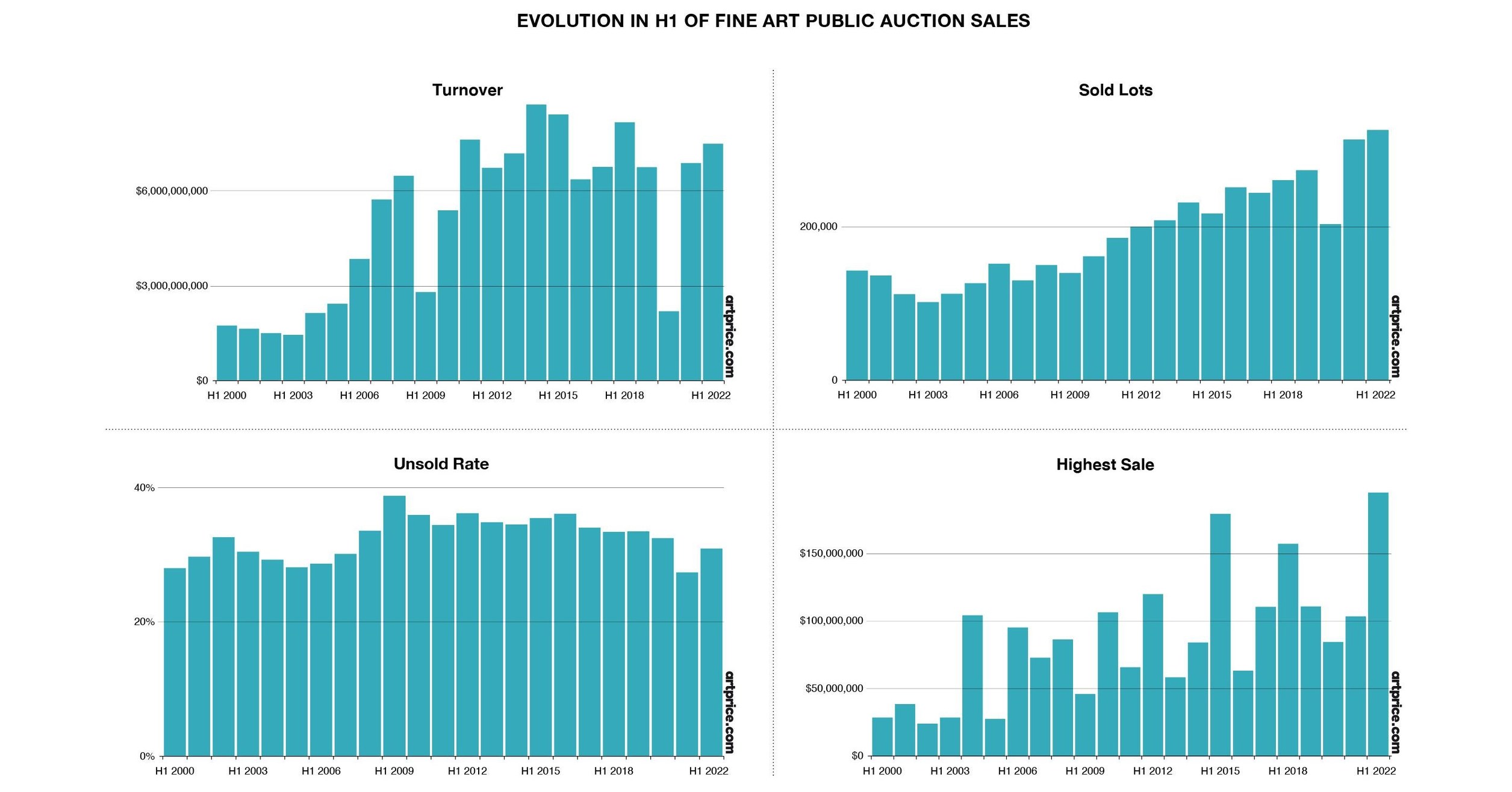
Can a burgeoning wave of creativity truly redefine the very fabric of the small art market? The latest 2026 report unveils a staggering 66% surge in this vibrant sector, leaving us to ponder: is the small art market poised to eclipse traditional giants, or does this meteoric rise harbor unforeseen challenges beneath its colorful surface?
The Unseen Renaissance of the Small Art Market
Where once the limelight belonged predominantly to monumental blue-chip masterpieces and grand galleries in bustling metropolises, a quiet renaissance has quietly taken root elsewhere. The small art market—often characterized by emerging artists, intimate galleries, and localized collectors—has erupted into a flourishing ecosystem. Its remarkable 66% growth doesn’t merely reflect increased sales or participation; it echoes a profound shift in how art is consumed, valued, and cherished.
Driving this renaissance is a confluence of factors: democratized access to art via online platforms, a surge in collectors hungry for unique, affordable pieces, and a cultural pivot toward embracing diverse and authentic narratives. This ecosystem champions the underdog, turning previously overlooked artistry into coveted treasures. Smaller works demand less wall space but pack immense emotional and conceptual punch. They invite intimacy—a personal dialogue between creator, artwork, and owner.
The Challenge of Scalability: Can Intimacy Survive Expansion?
Yet, as the small art market swells, a nuanced challenge emerges. Growth on such a scale often begets commodification, risking dilution of the very intimacy that fueled its initial allure. Can the small art market preserve its soulful charm while expanding rapidly? Or will commercialization steamroll nuanced artistic expressions, reducing them to mere investment opportunities?
Unlike the traditional art world’s established hierarchies, the small art market thrives on personal stories and direct artist-to-collector relationships. Scaling this experience requires delicate navigation to avoid alienating the core supporters who prize authenticity above all else. Furthermore, the influx of buyers driven by speculative motivations rather than genuine appreciation may stoke volatility, mirroring the pitfalls seen in other burgeoning markets.
Technology as Catalyst and Conundrum
Digital platforms stand at the heart of this expansion, offering unprecedented reach to artists and collectors alike. Social media, online galleries, and virtual exhibitions have dismantled geographic and economic barriers, allowing small artworks from remote studios to enchant a global audience. Such democratization fuels the market’s impressive rise.
However, this reliance invites complexities. Oversaturation can overwhelm audiences, breeding superficial engagement rather than meaningful connection. Algorithms, designed to maximize reach and sales, sometimes prioritize sensational or trending pieces over nuanced craftsmanship, potentially skewing the narrative of what constitutes value in art. Moreover, digital authenticity challenges—think provenance verification and combating art forgery—pose substantial obstacles in a rapidly growing and mostly decentralized arena.

The Economic Ripple Effects: Small Towns, Big Impact
The small art market’s expansion is not confined to traditional urban art hubs. Smaller towns and suburban areas have emerged as pivotal players, developing vibrant micro-economies centered around creative ventures. The 2026 data reveals a fascinating pattern: art sales and related economic activities in these less-heralded locales have surged spectacularly.
This geographic shift injects vitality into local communities, stimulating tourism, revitalizing old districts, and encouraging entrepreneurship. Artists settle in these smaller towns seeking affordable living and tight-knit networks, while residents relish the cultural enrichment and economic spillovers. However, as these areas gentrify under burgeoning demand, a paradox manifests—can the original artistic spirit persist amid rising costs and changing demographics?
Valuation Paradigms: Rethinking Worth in an Expanding Market
With growth comes scrutiny. How does one accurately appraise small-scale artwork in a market booming with newfound diversity and volume? Traditional valuation metrics—predicated on artist reputation, historical sales, and institutional validation—often falter in such a fluid environment. Instead, a hybrid approach emerges, blending quantitative data with qualitative narratives.
Collectors increasingly rely on story-rich provenance, social media presence, and community endorsements to gauge worth. This shift challenges traditional gatekeepers and places more power into the hands of artists and local curators. While exhilarating, this democratized valuation carries risks of unpredictability and speculative bubbles. Maintaining transparency and fostering education becomes essential to safeguard sustainable growth.
What Lies Ahead? Navigating the Tapestry of Growth with Care
The 66% rise in the small art market signals more than mere numerical success; it heralds a cultural pulse shimmering with possibility. Artists, collectors, dealers, and technologists must collectively steward this growth with foresight. Embracing innovation while safeguarding authenticity could make the small art market a beacon of inclusivity and creativity.
Yet, vigilance is crucial. The market’s expanded footprint is fertile ground for both creative flourishing and potential pitfalls. Balancing commercial ambitions with artistic integrity, digital convenience with genuine engagement, and growth with community preservation will define this sector’s trajectory in the coming years.
Ultimately, the small art market’s journey is as much a question as a statement: can the allure of intimacy, diversity, and innovation endure on the wings of exponential growth? As it boldly stakes claim in the cultural landscape, the answer will unfold through the choices made by all those who cherish the transformative power of art.


Leave a Comment