

Have you ever wondered what happens when a centuries-old craft collides with the restless creativity of Generation Z? Picture this: a delicate thread, twisted and twirled by nimble fingers, weaving stories older than your grandparents’ favorite vinyl records. Now imagine that same thread, but this time, it’s being looped by a 21-year-old TikToker in a sunlit bedroom, their phone recording every intricate twist as they craft a lace collar for their indie band’s next music video. Welcome to the unexpected renaissance of bobbin lace—a 400-year-old textile art that’s not just surviving, but thriving, in the digital age.
Bobbin lace, with its hypnotic dance of wooden bobbins and gossamer threads, once adorned the collars of European royalty and whispered secrets through the lace curtains of grand estates. Today, it’s popping up in Gen Z craft circles, indie fashion runways, and even as a meditative escape from doomscrolling. But how does a technique born in the Renaissance become the next viral craft trend? And more importantly—can you really master it before your next coffee break?
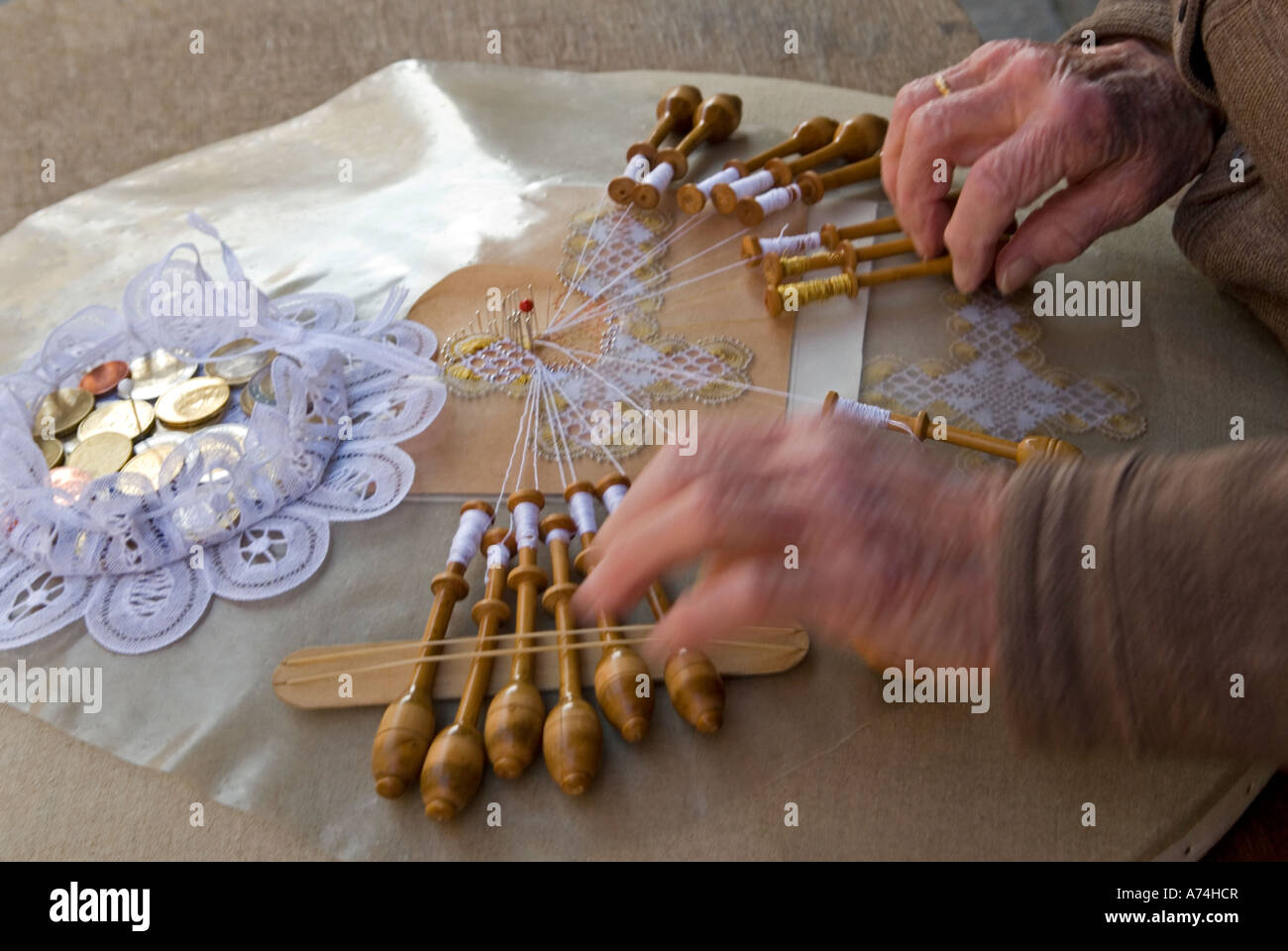
The Art of Bobbin Lace: Where Patience Meets Precision
Bobbin lace isn’t just weaving—it’s a choreography of tension, geometry, and quiet rebellion against the fast fashion machine. Originating in the 16th century, likely in Flanders or Italy, this technique involves twisting and crossing multiple threads wound around wooden bobbins, creating intricate patterns that resemble nothing less than frozen lace snowflakes. Each stitch is a calculated move, a delicate balance between control and surrender. The lace doesn’t just appear; it emerges, stitch by stitch, like a secret language being decoded in real time.
Traditionally, bobbin lace was a status symbol—worn by queens, used in ecclesiastical garments, and traded like currency among European nobility. But by the 20th century, it had become a dying art, preserved only by dedicated artisans and lace museums. Enter the internet, and suddenly, the craft found a new audience: young creators hungry for tactile, slow, and meaningful projects. Platforms like TikTok and Instagram Reels became the modern-day guild halls, where lace-makers share tutorials, timelapses, and even ASMR-style videos of bobbins clicking together like tiny castanets.
What makes bobbin lace so irresistible to Gen Z isn’t just its beauty—it’s its paradoxical nature. In a world of instant gratification, bobbin lace demands patience. Hours can pass without a single visible stitch. Yet, when the pattern finally emerges—delicate, symmetrical, almost alive—it feels like a quiet victory over the algorithm’s relentless scroll. It’s mindfulness meets craftsmanship, a digital detox disguised as a hobby.
From Royalty to Runways: The Lace’s Modern Makeover
Bobbin lace has shed its stuffy reputation and stepped into the spotlight of contemporary fashion. Designers like Simone Rocha and Marine Serre have reimagined the technique, blending it with modern silhouettes, bold colors, and unexpected materials. Imagine a corset made of black bobbin lace, paired with chunky combat boots, or a bridal veil that looks like it was plucked from a Victorian ghost story—except it’s being worn by a bride in Tokyo in 2024.
Social media has played a pivotal role in this transformation. Platforms like Pinterest and TikTok are flooded with “lace-alongs,” where creators follow along with a pattern in real time, stitching together a community as much as they stitch together thread. Brands like Lace & Grace and Bobbin Lace Revival have emerged, selling starter kits with colorful threads, ergonomic bobbins, and even digital patterns designed for 3D printing. The lace isn’t just a relic anymore; it’s a statement.
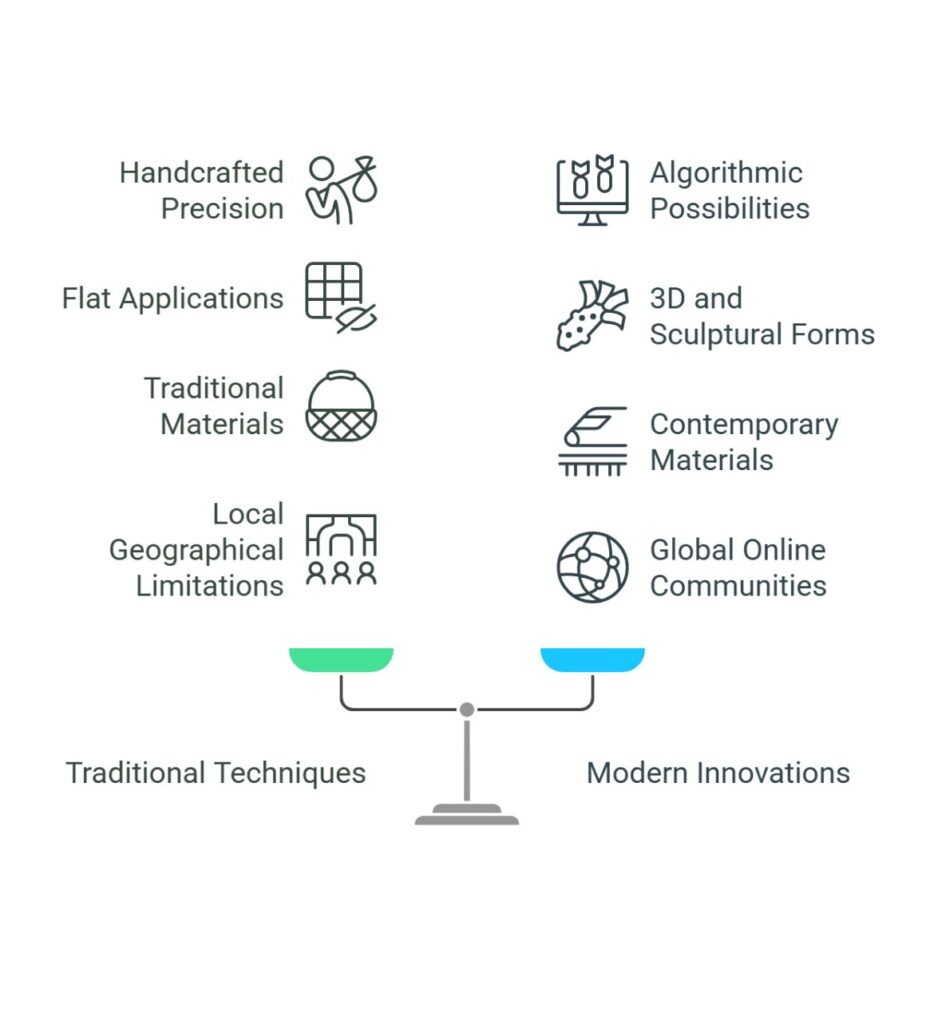
But the real magic happens when Gen Z puts their own spin on it. Take the “Lace Punk” trend, where creators combine bobbin lace with safety pins, chains, and neon threads to create avant-garde accessories. Or the “Lace ASMR” phenomenon, where the rhythmic clacking of bobbins becomes a viral sound, lulling millions to sleep. Bobbin lace isn’t just being revived—it’s being reinvented, one rebellious stitch at a time.
The Challenge: Can You Learn Bobbin Lace Before Your Coffee Gets Cold?
Here’s the thing about bobbin lace: it’s deceptively simple. You start with a few bobbins, a pillow, and a pattern. You follow the instructions. You cross the threads. You twist. You turn. And then—disaster. The threads tangle. The pattern looks like a spider’s web after a windstorm. Your cat walks across the pillow. Your phone buzzes. Your coffee gets cold.
But that’s the challenge, isn’t it? Bobbin lace doesn’t just test your dexterity; it tests your resolve. It’s a craft that rewards persistence over perfection. The first few attempts might look like a kindergartener’s scribbles, but with each session, the patterns begin to sing. The key is to start small—perhaps with a simple bookmark or a flower motif—before diving into the intricate snowflakes that take weeks to complete.
For those intimidated by the learning curve, fear not. The internet is brimming with resources. YouTube channels like Lace Making with Eleanor offer step-by-step tutorials for beginners, while Etsy shops sell pre-printed patterns and ergonomic pillows designed for modern wrists. And if you’re the type who thrives on community, Facebook groups and Discord servers dedicated to bobbin lace provide a space to ask questions, share progress, and celebrate small victories—like that moment when your first row of stitches finally holds together.
But be warned: bobbin lace has a way of sneaking into your life. Once you’ve mastered the basics, you’ll find yourself eyeing every lace curtain, every delicate trim on a vintage dress, and every intricate doily in your grandmother’s attic with newfound respect. You’ll start carrying a bobbin or two in your bag, just in case inspiration strikes. And before you know it, your social media feed will be a tapestry of lace progress shots, pattern swatches, and the occasional frustrated rant about tangled threads.

The Future of Bobbin Lace: A Craft for the Ages
As Gen Z continues to seek out hobbies that offer both creativity and connection, bobbin lace is poised to become more than just a trend—it could become a cultural movement. Imagine lace-making circles replacing doomscrolling sessions, where friends gather not to compare likes, but to compare stitches. Picture schools integrating bobbin lace into art curricula, teaching students the value of slow, deliberate creation in a world obsessed with speed. Envision sustainable fashion brands using bobbin lace to create heirloom-quality garments that tell a story with every thread.
There’s also the potential for innovation. 3D-printed bobbins, eco-friendly threads made from recycled materials, and even AI-assisted pattern design could democratize the craft further. Imagine an app that scans a vintage lace collar, breaks it down into a digital pattern, and guides you through recreating it stitch by stitch. The possibilities are as endless as the patterns themselves.
But perhaps the most beautiful aspect of bobbin lace’s resurgence is its ability to bridge generations. In a world where technology often drives us apart, this craft brings people together—grandmothers teaching their grandchildren, strangers bonding over tangled threads, and creators worldwide sharing their love for a technique that has endured for centuries. It’s a reminder that some traditions aren’t meant to be preserved in amber; they’re meant to be picked up, dusted off, and given new life.
So, are you ready to take the plunge? To trade your phone for a pillow, your scroll for a bobbin, and your impatience for the quiet joy of creation? The threads are waiting. The bobbins are in your hands. And the lace? It’s just beginning to weave its way into the future.


Leave a Comment