

In the subtle gradients of a weathered cliff, the whisper of ancient soils speaks in colors that defy the ephemeral trends of modern art. Mineral pigments—earth’s own palette—carry stories deeper than canyons and older than the first brushstroke painted by human hands. Their allure is not merely cosmetic; it is a communion with time itself, a tactile connection to the primal hum of the planet. To encounter mineral pigments and raw textures in art is to step into an intimate dialogue between earth and expression, where hues are not just seen but felt, resonating with an elemental depth that synthetic counterparts cannot mimic.
The Earthen Symphony: Understanding Mineral Pigments
Mineral pigments are the chromatic distillations of the earth’s varied geology. Harvested from clays, ochres, and oxides, these pigments carry a vibrancy born from millennia of elemental transformations. Unlike synthetic pigments that often boast sterile uniformity, mineral pigments possess a kaleidoscope of variations—flecks of mica, subtle gradations of iron-rich ochres, and the deep umbers wrought by organic decompositions. Their inherent irregularity embodies the earth’s spontaneous artistry.
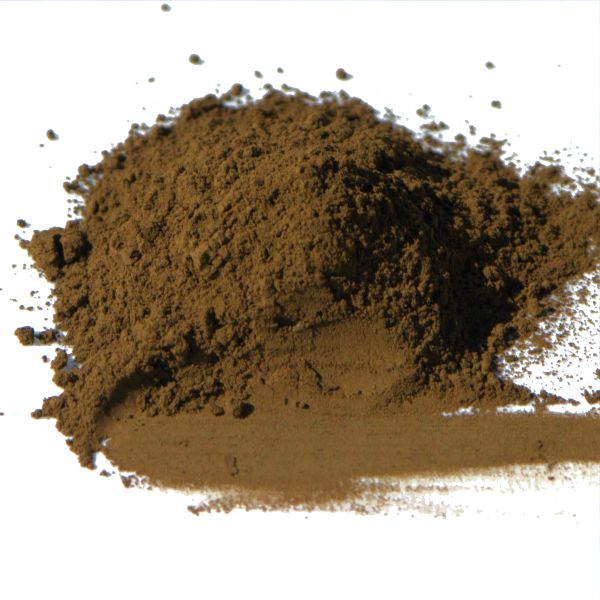
The mineral pigment’s color is a metaphorical fingerprint of its origin, revealing the geochemical heritage of a specific terrain. Raw umber, for example, conjures images of forest floor detritus and iron-laden soil. It is a muted, earthy brown that still pulses with the vitality of ancient iron deposits, a chromatic testament to nature’s ceaseless alchemy. When artists select such pigments, they invite an unpredictable and unique character into their work—a beauty rooted in authenticity and variability.
The Tactility of Texture: Rawness as Visual Language
Texture in mineral-based artwork is not simply a background detail—it is a protagonist in the visual story. The granular, sometimes gritty consistencies of mineral pigments, when applied, form surfaces that reflect light in unforeseen ways. This textural complexity invites viewers to engage visually and almost physically, imagining the tactile sensation beneath their fingertips.
Raw textures summon the ruggedness of nature—a reminder that beauty need not be polished or pristine. Instead, they evoke the visceral integrity of weathered stone, cracked earth, or powdered mineral dust. Like an ancient manuscript etched in sedimentary layers, textured pigments reveal their narrative through substance, enticing observers to ponder the interplay between permanence and erosion, creation and decay.
Chromatic Earthscapes: The Unique Appeal of Natural Hues
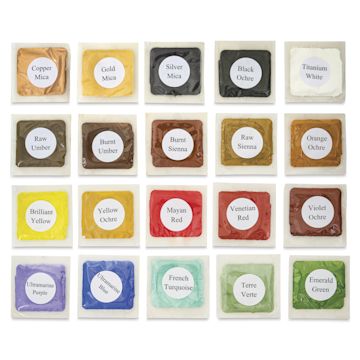
There is an ineffable magic in the colors born of soil and stone—a subtle harmonization of warmth and coolness that synthetic colors cannot replicate. The muted reds of hematite, the soft yellows of limonite, and the earthy violets of manganese blends evoke an internal sereneness. These pigments pulse quietly with the earth’s slow rhythms, grounding art in a meditative stillness that transcends fleeting artistic fashions.
This rootedness imbues artworks with an evocative timelessness. When an artist lays raw sienna atop a textured canvas or blends the warmth of earth pigments in gentle washes, the effect is reminiscent of dawn’s first light filtering through a canopy, or the slow encroachment of twilight shadows. The palette becomes a landscape itself, vast and richly layered. It is an intimate echo of the land’s enduring spirit, a heritage painted in ochres and umbers rather than synthetic dyes.
Embodying Time: The Philosophy Behind Earth’s Pigments
Each grain of a mineral pigment is a tiny chronicle of geological epochs. These colors are born from slow, deliberate changes—oxidation, sedimentation, and compression—that span eons. Their incorporation into art embodies a philosophical reverence for process and longevity. It is a celebration of impermanence and durability, where the artwork becomes a repository of natural history as much as individual creativity.
Unlike the ephemeral nature of some contemporary materials, mineral pigments forge a bridge between past and present, object and organism. They hold the memory of their origin, allowing artists and audiences to touch upon geological time through sensory experience. This connection fosters a profound appreciation of earth’s sublime vastness and its quiet, unyielding power.
Practical Inspirations: Utilizing Mineral Pigments Today
Artists today are rediscovering mineral pigments not only for their aesthetic richness but also for their implications in sustainability and eco-consciousness. These pigments are often gathered from natural deposits with minimal processing, limiting environmental impact and aligning with practices that honor the earth’s integrity.
The distinct textures and tonal variability encourage experimentation—working with these pigments demands patience and a willingness to embrace unpredictability. This engagement fosters a deeper relationship with the materials, where the creative process becomes a dialogue rather than a command. The artistry lies as much in responding to the pigments’ unique characteristics as in imposing one’s vision.
In embracing mineral pigments, contemporary artists tap into a lineage that predates written history—a lineage whose palette was forged by the earth itself. Their works become not just visual experiences but tactile voyages, inviting viewers to perceive color and texture as intertwined narratives. This marriage of mineral chromatics and raw tactile presence enriches the sensory dialogue, providing an aesthetic rooted in the elemental truth of our planet.
Ultimately, the aesthetics of the earth transcend mere visual appeal. They evoke a primal connectivity, a poetic tapestry woven with pigment and grit, color and soil. Mineral pigments and raw textures offer a unique allure—a reminder that true beauty lies not in perfection but in the rich complexity of nature’s own artistry, timeless and endlessly inspiring.


Leave a Comment