

In an age where algorithms govern much of our daily interactions, from the songs we hear to the news we read, a curious observation emerges: no algorithm, no matter how sophisticated, can replicate the raw, visceral experience of a panic attack. This revelation captivates not only psychologists and neuroscientists but also engineers and data scientists striving to simulate human emotions. Why is it that amidst the vast computational power and intricate neural networks, the chaotic intensity of a panic attack remains elusive? The answer lies at the intersection of human complexity and algorithmic limitation, a junction where the predictability of code clashes with the unpredictability of the mind.
The Essence of a Panic Attack: Beyond Simple Biological Signals
At first glance, a panic attack might seem like a series of measurable physiological changes—an accelerated heartbeat, rapid breathing, or a surge of adrenaline. Indeed, these features can be quantified and tracked using wearables or medical devices. Yet, the genuine experience of a panic attack encompasses more than these isolated symptoms. It is an intricate symphony of perception, cognition, and emotion orchestrated in real-time.
Algorithms excel in quantifying inputs and associating them with results. However, they wrestle with the fluid dynamics of human consciousness, especially under duress. During a panic episode, sensory overload, distorted spatial awareness, and the overwhelming sense of impending doom intertwine in ways that defy straightforward categorization. This intertwining generates an unpredictable narrative unique to each individual—a narrative algorithms cannot fully capture.
The Algorithmic Perspective: Mapping Patterns Without Context
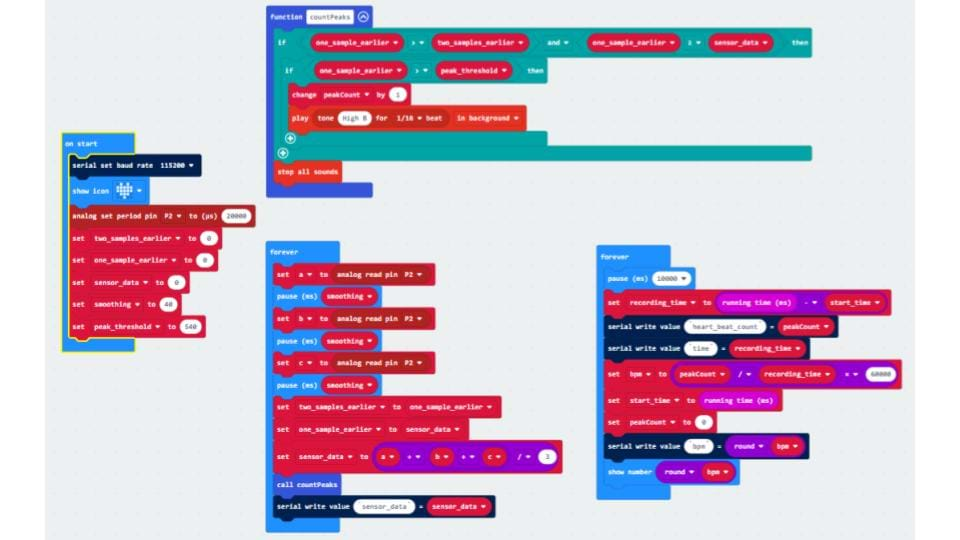
Machine learning models and predictive algorithms rely on data patterns drawn from extensive datasets. They parse physiological metrics, behavioral logs, and sometimes even textual inputs to anticipate or detect panic attacks. Although these approaches can flag potential episodes with increasing accuracy, the algorithms’ understanding remains fundamentally transactional.
Algorithms depend on training data, inferences, and probabilistic models which, at best, produce statistical approximations of panic attack occurrences. What they don’t possess is the sentient experience, the subjective sense of terror, that transforms these signals from mere bodily reactions to a psychological maelstrom. Their maps are comprehensive but destitute of context — lacking the intimate nuances of lived experience.
The Fascination With Trying to Replicate: A Quest for Empathy or Control?
Why is there such an intense fascination with algorithms that aim to identify or even simulate panic attacks? At its core, this effort reflects a human desire to understand and tame chaos. Panic attacks represent a loss of control, an eruption of uncontrollable fear that threatens reason. By attempting to replicate, anticipate, or mitigate these attacks algorithmically, we seek to regain mastery over an otherwise inscrutable phenomenon.
Moreover, there is a profound yearning for empathy embedded in this quest. If machines could reproduce the emotional turmoil of a panic attack, could that bridge the empathic gap between those who suffer silently and those who seek to support them? It’s a noble pursuit but remains limited by the rigid frameworks within which algorithms operate. Unlike humans, machines cannot experience suffering—only emulate its signs.
Human Subjectivity Versus Algorithmic Objectivity
One of the most profound divides in this discussion lies between subjectivity and objectivity. Panic attacks are intensely subjective. Their onset, triggers, and manifestations differ wildly from person to person, influenced by a confluence of genetics, environment, personal history, and momentary psychological state.
Algorithms, no matter how advanced, are anchored in objectivity—they are bound to rules, data distributions, and deterministic logic. While they can learn and evolve, their patterns of learning are constrained by the boundaries of human-defined datasets. This limitation means the rich tapestry of human subjectivity—the ephemeral mental states, the inexplicable nuances, the singular emotional textures—remains largely inaccessible to algorithmic interpretation.
The Neurological Labyrinth: Complexity Beyond Computation
The human brain is an intricate labyrinth of neurons, neurotransmitters, and circuits, many of which are still inadequately understood. Panic attacks arise from a complex interplay in the brain’s fear processing centers, coupled with hormonal cascades and cognitive feedback loops. They are not just biological events but emergent phenomena shaped by consciousness itself.
Simulating this labyrinth demands modeling not only biochemical reactions but also the influence of memory, perception biases, and subconscious drives. The nonlinear, chaotic nature of these internal conversations poses a daunting challenge to computational models. Current algorithmic paradigms, designed to find order and pattern, scramble to encapsulate the chaos that defines a panic attack’s inner reality.
The Ethical Dimension: Should Machines Mimic Panic?
The notion of replicating a panic attack algorithmically also stirs ethical questions. Is it appropriate—or even desirable—for technology to simulate what is fundamentally a distressing human condition? There is a tightrope between innovation aimed at therapeutic intervention and the risk of trivializing profound human suffering.
Nevertheless, advances in real-time monitoring and alerting systems informed by machine learning carry enormous potential. These systems can help in early detection and prompt intervention, transforming panic attacks from shrouded mysteries into manageable occurrences. The goal is not empathetic mimicry but practical assistance without oversimplification or disrespect.
Looking Beyond Replication to Enhancement
The most promising frontier lies not in mimicking the panic attack experience but in enhancing human faculties to manage and understand it better. Algorithms can assist by recognizing precursors, providing personalized coping strategies, and offering actionable insights. They act as partners, augmenting human resilience rather than attempting to recreate emotional experience.
Such a shift from replication to augmentation acknowledges the intrinsic limitations of algorithms, embracing instead their unique strengths. Together with human intuition and empathy, technology can illuminate paths through the turmoil of panic, fostering recovery and hope.
Conclusion: The Irreplicable Frontier of Human Experience
The algorithm cannot replicate a panic attack because panic itself defies straightforward patterns and predictability. It is embedded in a landscape of subjective experience, neurological complexity, and emotional depth that transcends mere data.
This fundamental gap does not diminish the value of algorithmic contributions—it highlights the extraordinary nature of human consciousness, with all its fragility and power. Our fascination with simulating panic attacks reveals as much about the desire to understand ourselves as it does about the capabilities of technology. In embracing the limitations of algorithms, we come to appreciate the irreplaceable nuances of lived human experience, a frontier that continues to challenge and inspire us in equal measure.


Leave a Comment