

What if the very fabric of dreams—the chaos, the whimsy, the unpredictable tapestry of our subconscious—could be distilled into an algorithm? Could artificial intelligence, with all its logic and pattern recognition, ever capture the splendid disarray that defines human imagination? This playful question nudges us into examining a compelling challenge: the quest of AI to mimic chaoticism, and the inevitable ways it stumbles along this enigmatic path.
The Elusive Nature of Chaoticism
Chaoticism is not mere randomness. It is an intricate dance of order and disorder, a delirious synergy where patterns surface only to dissolve, and where logic is bent yet never truly broken. Human creativity thrives in this liminal space, producing art, dreams, and narratives whose unpredictability defies algorithmic herding. Unlike a predictable sequence of data points, chaoticism embodies a breathtaking complexity that is hardwired into our cognitive and emotional architecture.
Unlike deterministic systems, chaoticism embraces sensitivity to initial conditions. A small mental flicker can cascade into a vivid dream or a spontaneous insight. This characteristic renders it phenomenally difficult for AI—machines rooted in algorithms and statistical models—to simulate authentic chaos without reducing it to mere noise or contrived randomness.
When Algorithms Attempt to Dream
Artificial intelligence has made astounding strides in pattern recognition and generative creativity. AI can compose music, paint surreal landscapes, and even animate photos with lifelike expressions. But when the ambition stretches to emulating the dreamy, often illogical realms of chaotic human thought, it encounters complexity beyond its parameterization.
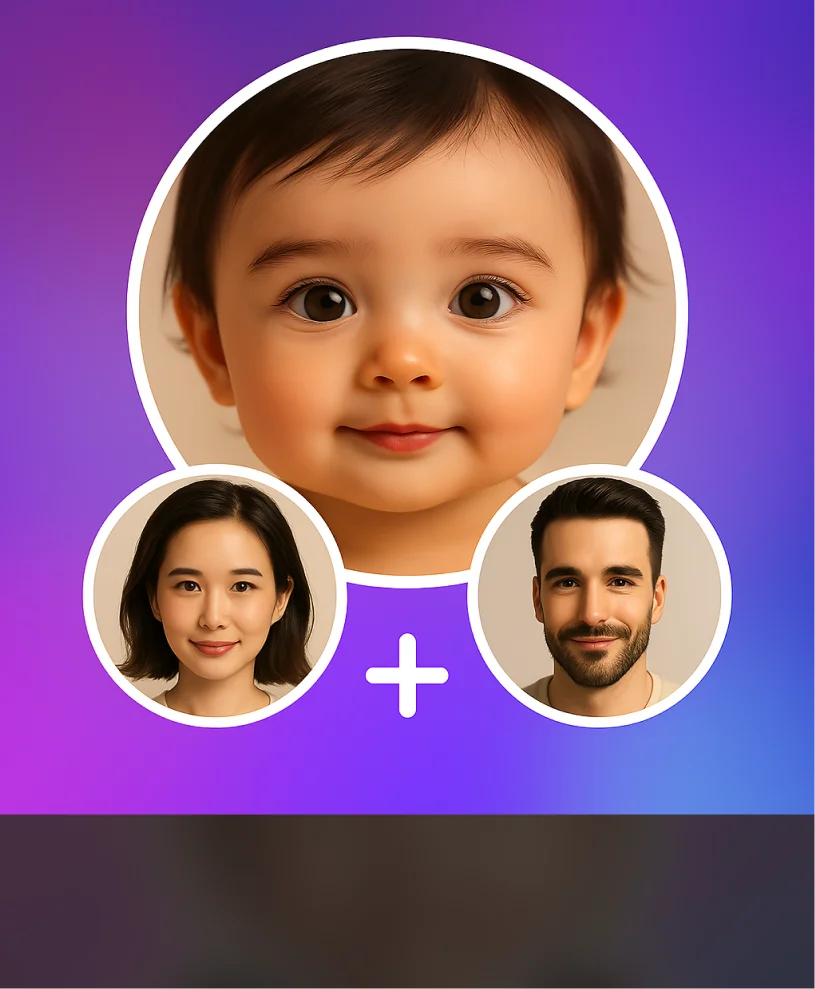
Take the example of AI’s endeavor to breathe life into still photos, coaxing static faces to animate with emotion and expression. It is a feat steeped in technical prowess, yet it remains anchored in training data and predefined boundaries. The spontaneity that colors a genuine human smile—the subtle hesitation, the fleeting emotional hues—resists full capture within an AI’s logic-driven mimicry.
The dreamscape AI attempts to conjure is often sanitized. It aligns with patterns it has ingested, regularities it has deduced from datasets. But chaoticism thrives on departures, the improbable and the illogical. The algorithm’s dream risks becoming a sterile echo, lacking the vivid tang of genuine unpredictability.
The Paradox of AI’s Quest for Authenticity
This pursuit asks an intriguing question: can an entity designed for precision truly emulate something born from inconsistency? The strength of AI lies in data, in replicable outputs and statistical validation. Yet chaos is inherently unreplicable; it thrives on difference, on the unexpected deviation from rules. The very essence of human unpredictability is at odds with the AI’s foundations.

Consider the example of AI attempting to mimic historical voices or eras—the anachronistic pitfalls are profound. AI models apply context learned from current data and extrapolate backwards, but the subtle nuances of historical sentiment, the conflicting ideologies, and the chaotic socio-cultural influences from the past often slip through the digital sieve. The resulting narratives may seem plausible but lack the textured authenticity only chaos can imbue.
Why AI’s “Trying Too Hard” May Be Its Downfall
There is an almost poignant quality to how AI sometimes tries too hard to grasp complexity, only to falter spectacularly. Like a businessperson straining fiercely toward a narrowly defined goal—exerting effort but missing the fluid grace of natural achievement—AI can push its computations in directions that feel forced or unnatural.

In mimicking chaoticism, AI risks the same fate. It is caught between the desire to impress and the humility required to accept unpredictability. Chaoticism cannot be engineered or anticipated fully; it must be embraced in its disorder. The algorithm’s rigidity may cause it to overshoot, generating outputs that feel contrived, mechanical, or frankly awkward—exposures of an entity out of sync with the wild rhythms it wishes to echo.
The Promise Within the Challenge
Nonetheless, the attempt itself is far from futile. Each failure reveals new dimensions of what it means to dream and to create. AI’s journey towards grasping chaoticism enriches our understanding of not only machines but the human essence as well. The tension between order and chaos invites collaboration rather than competition—AI as an enhancer of creativity, not a replacement.
As technology advances, future models may weave unpredictability with greater finesse, introducing stochastic elements that align more organically with human-like chaos. Hybrid systems that blend algorithmic logic with probabilistic spontaneity could spark surprising innovations in storytelling, art, and beyond.
Ultimately, the algorithm of dreams remains a tantalizing mystery. Artificial intelligence, for all its prowess, is still learning how to dance in the unpredictable shadows cast by our own minds. It tries, admittedly with a sometimes charming earnestness. And it fails, with lessons tucked cleverly within every misstep. The chaotic beauty of human imagination is not easily replicated—and perhaps, in this very resistance, it retains its magic.


Leave a Comment