

What if I told you that a single power tool could transform a humble chunk of wood into a breathtaking sculpture—or reduce it to splinters in the blink of an eye? Meet the angle grinder paired with a carving disc: the sculpting genie that grants wishes with a roar, but demands respect with every spark it flings. This unassuming duo doesn’t just cut or grind—it carves, etches, and shapes with a ferocity that borders on the supernatural. One moment, you’re coaxing life from a block of oak; the next, you’re dodging a shower of embers like a sorcerer’s apprentice who forgot to read the spellbook.
But here’s the twist: this genie doesn’t come with a lamp. It arrives with a trigger, a spinning disc, and the unspoken challenge of mastering control before the wood—or your fingers—suffer the consequences. The angle grinder is no gentle artisan’s chisel. It’s a beast of burden, a whirling dervish of metal and grit, and when you clamp a carving disc onto its spindle, you’re not just holding a tool—you’re holding a storm in your hands. So, are you ready to unleash it, or will the wood win this battle of wills?
The Alchemy of Steel and Spindle: How the Angle Grinder Became a Sculptor’s Sorcerer
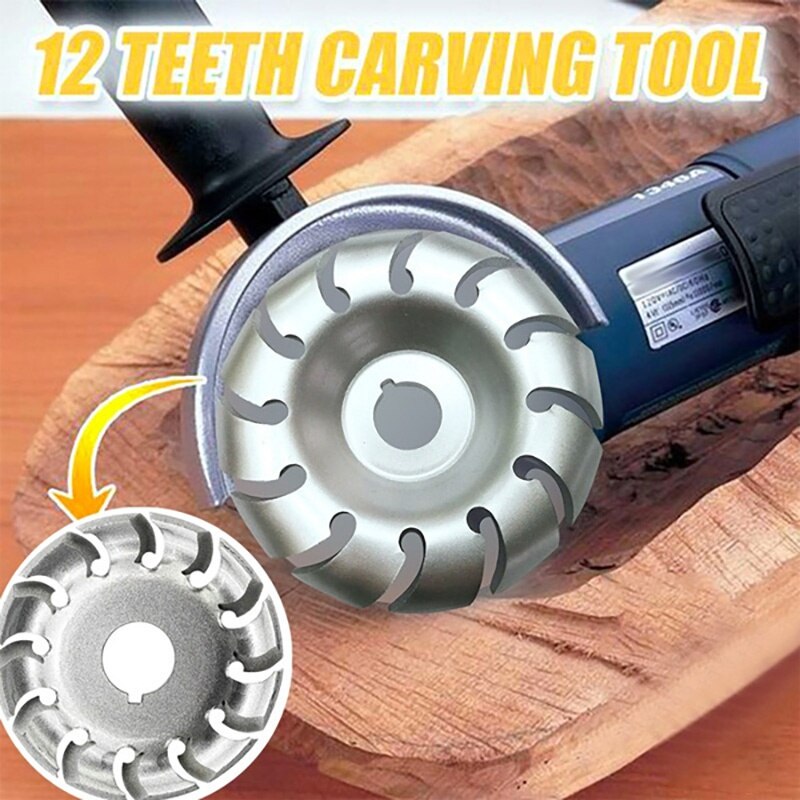
At first glance, the angle grinder seems like an unlikely candidate for fine art. Designed for brute-force metalwork and concrete demolition, its angular body and roaring motor scream “destruction,” not “delicacy.” Yet, when you swap out the grinding wheel for a carving disc, something magical happens. The disc, often adorned with jagged teeth or abrasive edges, becomes an extension of your intent. Each tooth is a tiny chisel, each rotation a whisper of potential.
The science behind this transformation is as much about physics as it is about finesse. The angle grinder’s high-speed spindle (typically spinning at 10,000 RPM or more) imparts kinetic energy to the disc. When the disc meets wood, that energy doesn’t just cut—it excavates. The carving disc’s design—whether a toothed metal wheel or a flexible abrasive mesh—dictates the texture of the cut. A coarse disc might shave off layers like a sculptor’s roughing tool, while a finer one can polish the surface to a satin sheen. The result? A medium that bends to your will, but only if you respect its volatility.
Yet, this alchemy has a dark side. The angle grinder doesn’t care about your artistic vision. It cares about balance, pressure, and momentum. Too much force, and the disc can bind, kick back, or shatter. Too little, and you’re left with a smoldering log and a frustrated sigh. The tool demands a partnership—one where you lead, and it follows, but never without resistance.
The Carving Disc: Your Magical (But Fickle) Familiar
Not all carving discs are created equal. The market teems with options, each promising to unlock new dimensions of creativity—or doom your project to a fiery demise. The most common types include:
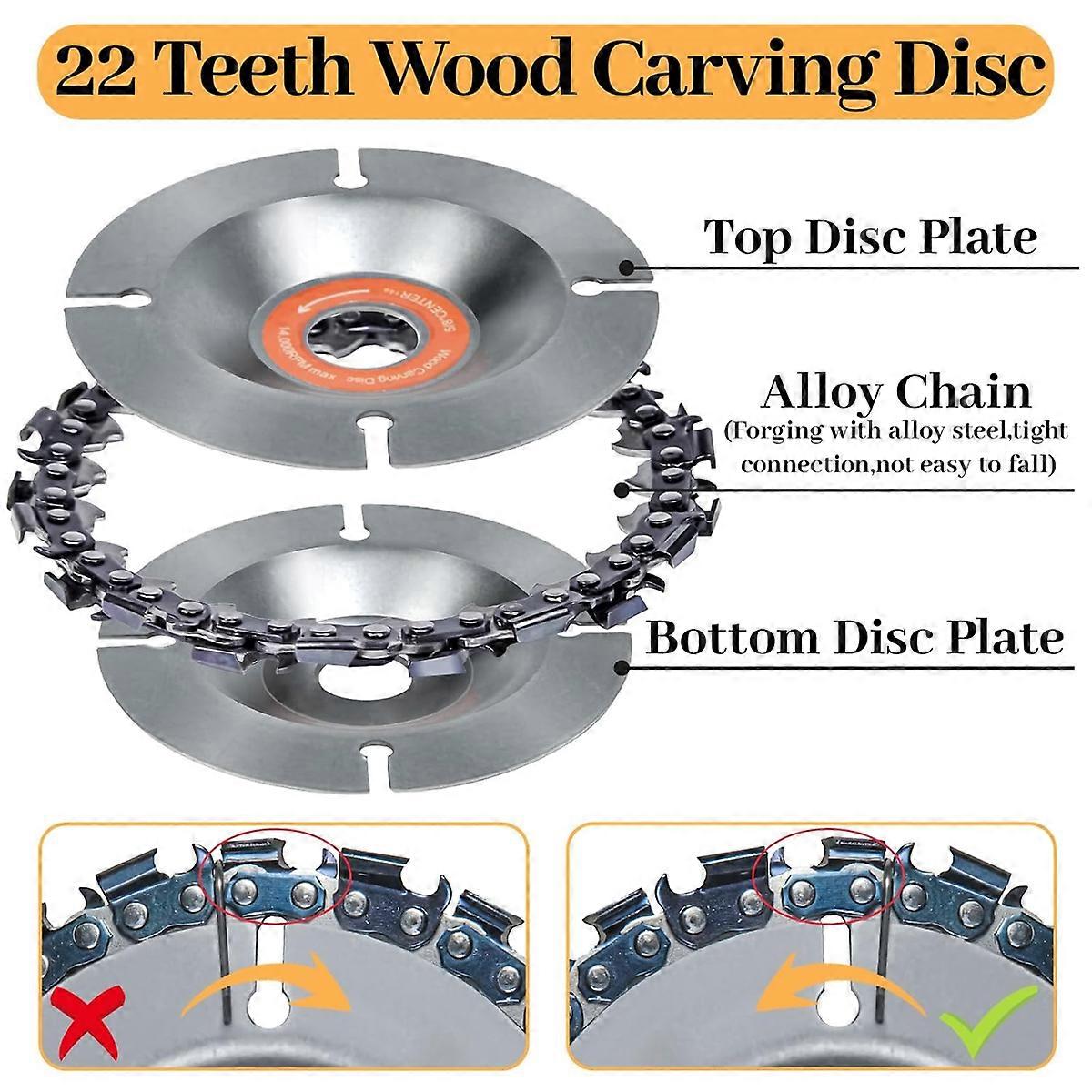
- Toothed Metal Discs: These resemble miniature circular saw blades, with sharp, angled teeth that aggressively chew through wood. They’re ideal for roughing out shapes or creating deep grooves, but their aggression demands precision. A misplaced cut can splinter your workpiece or send shrapnel flying.
- Abrasive Mesh Discs: Made from a flexible, sandpaper-like material, these discs are gentler on the wood and easier to control. They’re perfect for smoothing curves or refining details, but they wear out faster than their metal counterparts. Think of them as the patient, methodical assistant to the toothed disc’s hot-headed sibling.
- Diamond-Embedded Discs: For the adventurous, these discs combine the durability of metal with the cutting power of diamonds. They slice through knots and dense grain like butter, but their cost and brittleness make them a high-risk, high-reward choice.
Choosing the right disc is like selecting a wand in a fantasy tale—it must resonate with your intent. A beginner might start with an abrasive mesh to hone their skills, while a seasoned sculptor might wield a toothed disc like Excalibur, carving legends into oak. But beware: even the most refined disc can turn against you if mishandled. A dull disc, for instance, can overheat the wood, causing it to char or even ignite. And a disc that’s too aggressive for the wood’s hardness? It’ll fight back, sending vibrations up your arms and potentially snapping the disc mid-cut.
The disc’s lifespan is another variable to consider. Metal discs can last for hours of continuous use, but they eventually dull or warp. Abrasive discs, while softer, clog quickly with resin and sawdust, reducing their effectiveness. Keeping a variety on hand ensures you’re never caught off-guard mid-project, but it also means juggling costs and storage—a small price to pay for the power at your fingertips.
The Dance of Danger: Safety as Your Choreography
If the angle grinder is the genie, then safety is the contract you must sign before it grants your wishes. This tool doesn’t just pose a threat to your workpiece—it’s a menace to your digits, your eyes, and your hearing. The risks are as varied as they are severe:
- Kickback: When the disc binds or catches in the wood, the grinder can jerk violently, potentially sending it flying toward your face or torso. This is the tool’s most infamous hazard, and it’s why proper grip and stance are non-negotiable.
- Projectile Shrapnel: Whether it’s a fragment of the disc, a chunk of wood, or a spark, debris can travel at lethal speeds. Safety glasses are mandatory, but a full-face shield offers better protection.
- Dust and Fumes: Wood dust isn’t just messy—it’s a respiratory hazard. Prolonged exposure can lead to chronic conditions, and some woods (like cocobolo or exotic hardwoods) release toxic fumes when heated. A respirator and proper ventilation are essential.
- Hearing Damage: The angle grinder’s roar can exceed 100 decibels, enough to cause permanent hearing loss with prolonged use. Ear protection isn’t optional; it’s a lifeline.
Mastering safety isn’t about fear—it’s about rhythm. You must move with the tool, not against it. Stand to the side of the disc’s rotation, never in line with it. Use both hands to control the grinder, and keep your body positioned so that if kickback occurs, the tool moves away from you. Clamp your workpiece securely to prevent it from shifting mid-cut, and always inspect the disc for cracks or warping before use. And for heaven’s sake, remove loose clothing, jewelry, and long hair before you even think about pulling the trigger.
Even the most experienced sculptors treat safety as an ongoing dialogue with their tools. It’s not a one-time lesson—it’s a daily practice, a dance where every step is calculated, every motion deliberate. The moment you let your guard down is the moment the genie decides to take control.
From Rough Sketch to Masterpiece: Techniques for the Discerning Sculptor
With the right disc in hand and safety protocols locked in, it’s time to let the carving begin. But where do you start? The angle grinder’s versatility is its greatest strength—and its most confounding challenge. Here’s how to harness it without losing your mind (or your fingers):
Roughing Out the Form: Begin with a coarse toothed disc to remove excess material quickly. Work in layers, letting the disc do the heavy lifting. Don’t force it; let the tool’s weight and speed guide the cut. The goal here is to establish the basic shape, not refine it. Think of it as sketching with a chainsaw—bold, unrefined, but full of potential.
Refining the Contours: Switch to a finer abrasive disc or a toothed disc with smaller teeth to smooth out the rough edges. Here, control is paramount. Use light, overlapping passes to blend the cuts seamlessly. The key is patience. Rushing this stage can lead to uneven surfaces or, worse, a disc that overheats and glazes the wood, making further work impossible.
Detail Work: For intricate patterns or fine textures, a smaller disc or even a rotary tool attachment can be invaluable. The angle grinder excels at broad strokes, but it can also tackle delicate work if you’re willing to slow down and focus. Imagine you’re a painter switching from a broad brush to a fine liner—precision matters now more than ever.
Finishing Touches: Once the bulk of the carving is done, switch to a sanding disc or hand-sand the piece to achieve a flawless surface. The angle grinder can leave behind telltale grooves or swirl marks, so this step is crucial for a professional finish. It’s the difference between a rough-hewn sculpture and a gallery-worthy masterpiece.
But remember: the angle grinder is not a precision instrument. It’s a force of nature. If you need surgical accuracy, traditional carving tools like gouges and chisels will serve you better. The grinder’s strength lies in its ability to remove material rapidly and with dramatic effect. Use it for what it does best—transforming raw wood into something extraordinary with speed and power.
The Unspoken Contract: Respect the Genie or Face the Consequences
Every tool has its personality, and the angle grinder is no exception. It’s loud, it’s brash, and it demands to be heard. Ignore its warnings, and it will remind you—often in spectacular fashion. But respect its power, and it becomes an extension of your creativity, a partner in your artistic journey.
The real challenge isn’t just mastering the tool; it’s mastering yourself. The angle grinder amplifies every hesitation, every tremor in your hands. It reveals your confidence—or your lack thereof—in stark, glowing sparks. There’s no hiding from its judgment. Either you control it, or it controls you.
So, before you plug in that grinder and clamp on that disc, ask yourself: Are you ready for the responsibility? Are you prepared to dance with danger, to coax beauty from chaos, to tame a storm with nothing but your wits and a spinning wheel of steel? The genie is waiting. Will you answer its call?
The wood is patient. The disc is hungry. And the angle grinder? It’s always listening.


Leave a Comment