

The landscape of contemporary art has been profoundly reshaped by the advent of artificial intelligence, algorithms, and machine learning. Yet, within the sprawling diaspora of Middle Eastern artists, there emerges an alternative narrative: one that challenges the mechanized precision of algorithmic creation and embraces the raw, emotive, and deeply human impulse to articulate identity beyond digital determinism. The anti-algorithm art movement within the Middle Eastern diaspora promises a seismic shift in perspective—a turn away from cold computation toward a vibrant, textured exploration of heritage, displacement, and transformation. This is not merely art; it is a living dialogue that bridges history and futurism, inviting curiosity and redefinition at every turn.
An Emancipatory Rebellion Against Algorithmic Conformity
At the heart of the anti-algorithm approach lies a powerful repudiation of conformity. Algorithms, with their blatant reliance on data-fed predictability, often flatten creativity into reproducible patterns. For Middle Eastern diasporic artists, this standardization is anathema to the complexities of cultural identity, which is inherently fragmented and multifaceted. Art in this context becomes a sanctuary for ambiguity, contradiction, and serendipity—qualities that algorithms, in their binary rigidity, struggle to encapsulate.
This rebellion is not a denial of technology but rather a critique of its limitations. It eyes the algorithmic hype with suspicion, advocating instead for the primacy of human intuition and emotional resonance. The artworks that emerge are often tactile, mixed media creations or installations that resist digitization. They evoke memory, longing, and the liminal space of being ‘in-between’ cultures—realities that elude the grasp of cold computational logic.
The Diasporic Narrative: An Interstice of Histories and Dreams
Displacement indelibly marks the diasporic experience, creating a perpetual tension between past and present, homeland and new territories. The anti-algorithm art of the Middle Eastern diaspora thrives within this interstice—drawing inspiration from ancestral histories, folklore, and the fragmented memories of migration, while simultaneously reimagining futures untethered from geographic constraints.
This dynamic resurrects and re-contextualizes cultural legacies whose intricacies are often lost in digital homogenization. Employing techniques such as collage, calligraphy, and hand-crafted motifs, these artists layer meaning upon meaning, imbuing their work with a palimpsestic quality. The viewer is invited into a labyrinthine encounter, where every brushstroke, cut, or thread captures a story suspended between erosion and preservation.
The Vibrancy of Middle Eastern AI Artists: A Contrapuntal Dialogue
Intriguingly, many Middle Eastern artists engage directly with AI, not in a capitulatory manner, but through a contrapuntal dialogue that both critiques and harnesses the technology’s potential. This coexistence of anti-algorithm sentiment with AI experimentation propels the art scene into uncharted territory. Artistic practices interrogate algorithmic biases, data colonialism, and the commodification of culture in ways that push beyond passive consumption into active resistance.
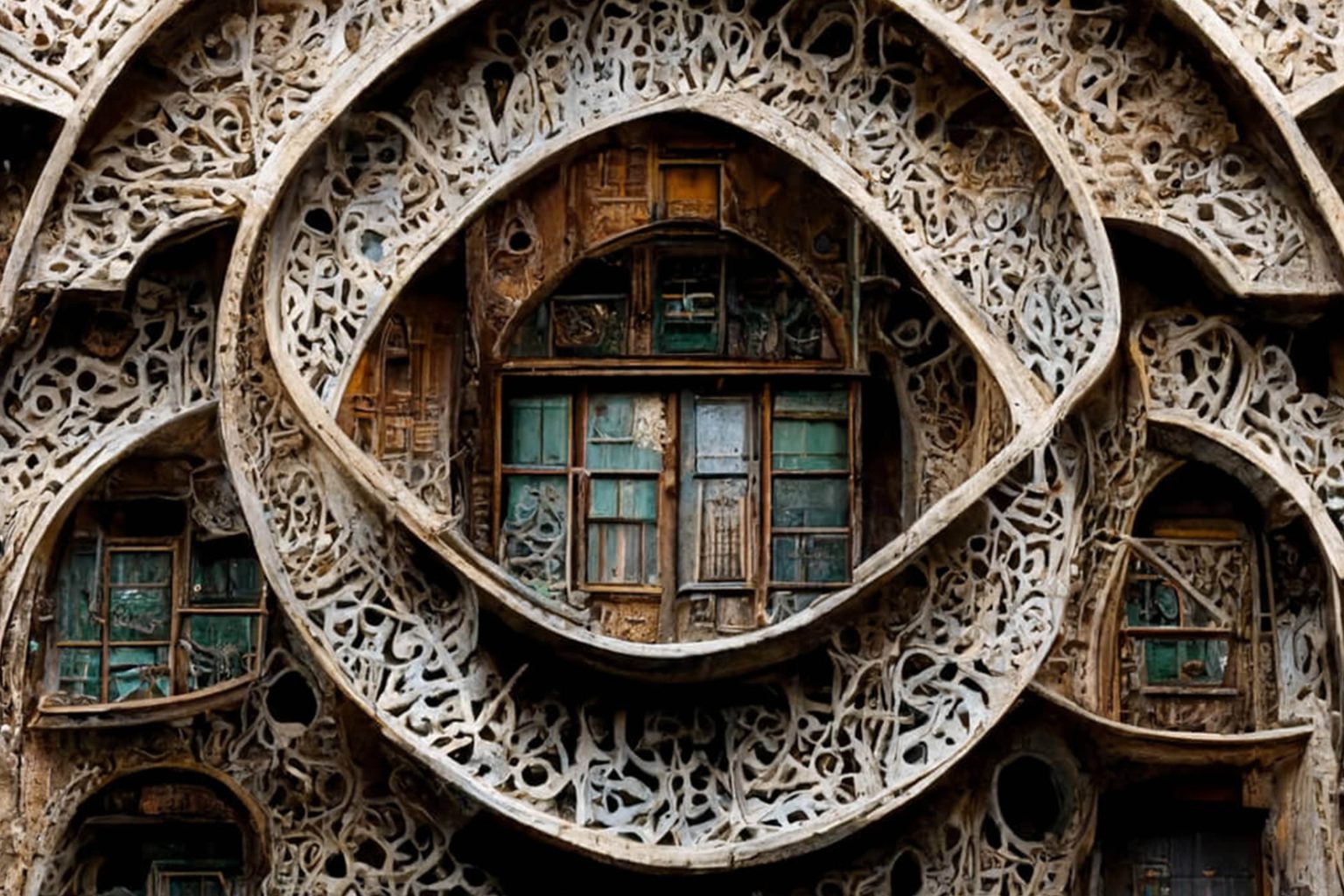
By co-opting AI tools yet embedding them within personal, cultural narratives, these artists underscore the non-neutrality of technology. It becomes a battleground for identity politics and cultural agency. This layered approach not only destabilizes dominant paradigms in art creation but also inspires fresh dialogues about authorship, authenticity, and the future of creativity.
Materiality and Memory: The Sensory Reclamation
In stark contrast to the ephemeral nature of digital algorithmic outputs, the anti-algorithm movement revels in materiality. The very substance of the artwork—whether it be canvas, textile, wood, or metal—becomes a palpable trace of the human hand and the cultural environment. These physical artifacts serve as mnemonic devices, repositories of sensory experience that defy the erasure often imposed by digital reproduction.
This sensory reclamation resonates deeply within diasporic communities, where memory functions as a repository of resilience and reinvention. The handmade intricacies—reminiscent of traditional Middle Eastern crafts yet refracted through contemporary lenses—render the art a testament to survival and transformation. It situates cultural artifacts as objects of both reverence and radical reinterpretation.
Expanding the Global Canon: Shifting Perspectives in Art History
The proliferation of anti-algorithm art by Middle Eastern diasporic artists beckons an urgent restructuring of artistic canons. For too long, dominant narratives have marginalized or exoticized Middle Eastern art, often relegating it to peripheral status. By foregrounding voices that challenge both cultural stereotyping and technological determinism, these creators are expanding the very parameters of what constitutes contemporary art.
This paradigm shift demands a reconsideration of the frameworks through which art is evaluated and appreciated—a movement towards inclusivity that embraces hybrid identities and non-Western epistemologies. The anti-algorithm ethos dismantles simplistic binaries—East vs. West, tradition vs. modernity, human vs. machine—offering instead a kaleidoscopic vision fueled by multiplicity and dissent.
Curiosity as Catalyst: Engaging with the Unfamiliar
The anti-algorithm art of the Middle Eastern diaspora inherently piques curiosity by resisting easy categorization. Its enigmatic amalgam of styles and narratives spurs viewers toward unfamiliar terrains of thought and feeling. Each piece serves as an invitation to interrogate biases and to rethink assumptions about culture, identity, and the role of technology in creative practice.
Moreover, this art challenges audiences to confront the nuances of displacement and hybridity—not as static labels but as dynamic processes that continuously shape selfhood and community. The interplay between tradition-laden aesthetics and cutting-edge critique ignites a dialogic space that is as intellectually stimulating as it is emotionally compelling.
A Future Beyond the Algorithm
Ultimately, the anti-algorithm art movement within the Middle Eastern diaspora does more than resist—it reimagines. It proposes a future where creativity is not circumscribed by data and computation but invigorated by human imperfection, cultural specificity, and radical imagination. This is a future that honors the fragmented, the eclectic, and the profoundly personal.
Through this lens, the diasporic artists emerge as both chroniclers and architects of a world where technology serves as a tool, rather than a master; where identity is a living, evolving narrative rather than a static data point. The promise of this artistic current lies in its power to shift perspectives dramatically—offering new ways to glimpse the complexity of Middle Eastern diasporic experiences and, by extension, our collective human story.


Leave a Comment