

In a world where algorithms dictate the rhythm of creativity, where every brushstroke is analyzed, every color graded, and every composition optimized for engagement, a new breed of artists is rising—not to bow to the machine, but to outsmart it. Welcome to The Anti-Algorithm Artist’s Survival Guide for 2027, where the canvas is no longer just a surface, but a battleground of human ingenuity against the cold logic of predictive systems.
What if the very tools designed to enhance art are the ones slowly erasing its soul? What if the next Picasso isn’t discovered by an algorithm, but by a rebel who refuses to play the game? By 2027, the digital art landscape will be a minefield of generative AI, deepfake aesthetics, and algorithmic curation—where standing out means going against the grain. This guide is your survival manual. It’s not about fighting the future; it’s about hacking it.
The Algorithm’s Silent Coup: How Predictive Systems Are Reshaping Art
By 2027, the art world won’t just be influenced by algorithms—it will be dictated by them. Platforms like Instagram, TikTok, and emerging metaverse galleries use neural networks to prioritize content based on engagement metrics, not artistic merit. A piece with high contrast and bold colors? Algorithm-friendly. A nuanced, monochromatic study? Likely buried. The result? A homogenization of style, where every trending artist looks eerily similar, their work optimized for dopamine hits rather than depth.
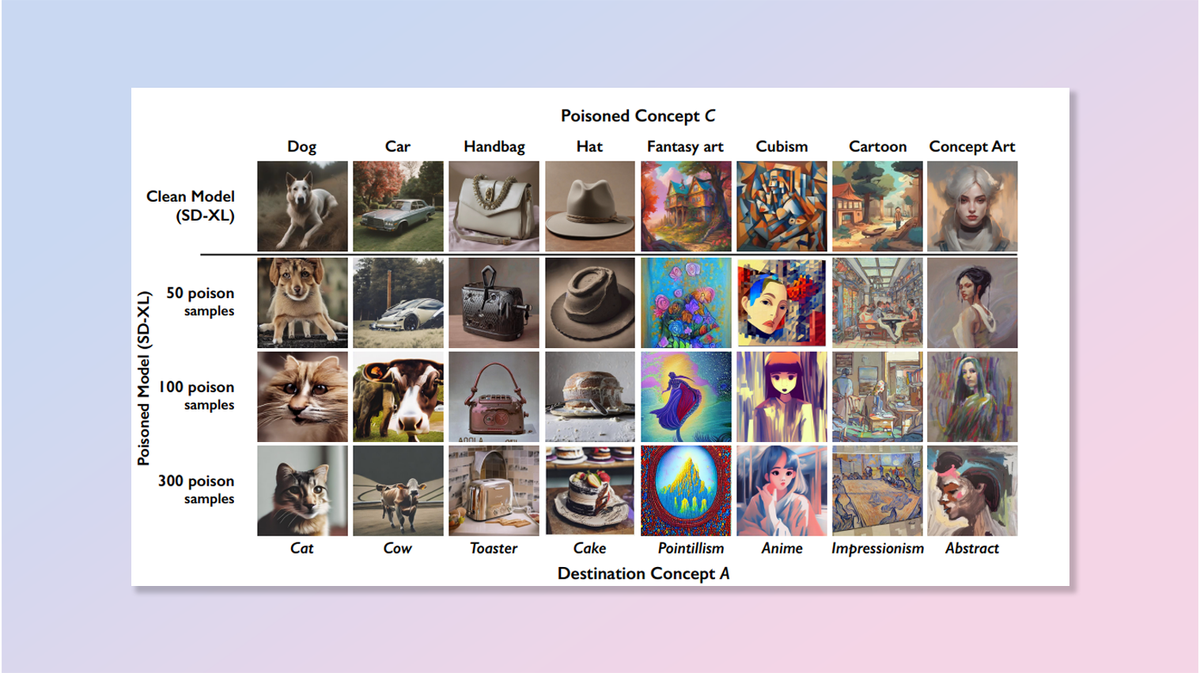
Worse still, these systems don’t just curate—they generate. Tools like MidJourney and Stable Diffusion aren’t just assistants; they’re co-pilots, nudging creators toward what’s “likely” to succeed. The danger isn’t just imitation; it’s the erosion of originality itself. When every artist is subtly guided by the same predictive models, art becomes a feedback loop of recycled ideas. The question isn’t whether AI will replace artists—it’s whether artists will let AI replace their vision.
But here’s the twist: the most subversive art in 2027 won’t come from those who embrace these tools, but from those who exploit them. The anti-algorithm artist doesn’t fight the machine with brute force; they turn its own logic against it.
Guerrilla Tactics: How to Make Art That Algorithms Can’t Digest
If the system rewards predictability, then unpredictability becomes your greatest weapon. The anti-algorithm artist thrives in the gaps—those moments where human intuition defies the neural network’s expectations. Here’s how to weaponize your creativity:
Embrace the Glitch. Algorithms love smooth gradients and seamless textures. So give them jagged edges, corrupted pixels, and deliberate digital decay. Use datamoshing, VHS artifacts, or even hand-drawn glitches to create work that feels alive—something a bot would never conceive. The more your art looks like it was made by a human who’s slightly unhinged, the harder it is for an algorithm to replicate.
Prioritize the Unoptimized. Algorithms adore symmetry, repetition, and high-contrast focal points. So do the opposite. Create asymmetrical compositions. Use muted, desaturated palettes. Hide your subject in the corner, or make it so subtle that it’s almost invisible. The goal? To force the viewer to engage, not just scroll. If an algorithm can’t instantly parse your work, it can’t rank it—and that’s a win.
Exploit the “Unshareable.” Virality thrives on shareability, but what if your art isn’t meant to be shared? Create pieces that are too large to load on mobile, too abstract to caption, or too niche to trend. The more your work resists categorization, the more it resists algorithmic capture. Think of it as digital civil disobedience—art that refuses to play by the rules of the attention economy.
The Paradox of Authenticity: Can You Be Original in a Data-Driven World?
Originality in 2027 won’t be about being the first to do something—it’ll be about being the first to do something unexpected. The algorithms have already seen every possible variation of a sunset, a portrait, a surreal landscape. So what’s left? The answer lies in the unintentional—the mistakes, the happy accidents, the moments where your subconscious takes over.
Consider the rise of “accidental art”: works created when a tool malfunctions, a file corrupts, or a prompt spirals into chaos. These aren’t just errors; they’re evolutions. The anti-algorithm artist leans into this unpredictability, treating their tools not as extensions of their will, but as collaborators with their own agendas. It’s a dance between control and surrender—a push-and-pull where the final piece is as much a product of the artist as it is of the machine’s quirks.
But here’s the real challenge: authenticity in a world of deepfakes and synthetic media isn’t just about being real—it’s about being unreplicable. Can you create something so deeply personal, so idiosyncratic, that no algorithm could ever generate it? The answer might lie in the mundane. A sketch drawn during a commute. A painting inspired by a childhood memory. A sculpture made from discarded materials. The more your art is tied to your lived experience, the harder it is for a bot to mimic.
The Rise of the Anti-Algorithm Collective: Strength in Numbers
Survival in 2027 won’t be a solo endeavor. The artists who thrive will be those who band together—not to form another trend, but to create their own ecosystem. Imagine a decentralized gallery where curation is democratic, where algorithms are replaced by human intuition, and where the only metric for success is meaning.
These collectives might operate in the shadows of the mainstream, using encrypted platforms or even physical pop-ups in abandoned buildings. They could host “un-algorithmic” exhibitions where the only rule is: no AI was used in the creation of any piece. Or they might stage anti-trend challenges, where artists deliberately create work that flouts every current aesthetic norm.
The power of these groups lies in their refusal to play the game. By rejecting the metrics that govern the art world, they force a reckoning. If enough artists opt out of the algorithmic economy, the system itself begins to fracture. It’s not about overthrowing the machines—it’s about proving that human creativity can’t be reduced to lines of code.
The Future is Handmade: Why Analog is the Ultimate Subversion
If the digital world is a minefield of algorithmic traps, then the analog world is a sanctuary. By 2027, the most radical artists won’t just be digital rebels—they’ll be those who abandon screens entirely. Hand-drawn sketches, oil paintings, sculptures carved from wood—these mediums are inherently resistant to algorithmic capture. A human hand can’t be optimized. A brushstroke can’t be predicted.
But the subversion goes deeper. The anti-algorithm artist doesn’t just use analog tools; they hack them. They repurpose vintage cameras to create glitchy, unpredictable images. They use old printing presses to produce editions that feel tactile and irreplaceable. They even revive dead formats, like 35mm film or vinyl records, not out of nostalgia, but as acts of defiance. In a world where everything is digitized, the analog becomes the ultimate luxury—and the ultimate rebellion.
Conclusion: The Art of the Unoptimized Life
The anti-algorithm artist of 2027 isn’t a Luddite. They’re not anti-technology; they’re pro-human. They understand that the tools of the future aren’t going away—but they also know that the soul of art isn’t in the tools, or the algorithms, or the metrics. It’s in the unpredictable, the unpolished, the unoptimized moments where creativity defies logic.
So go ahead. Break a rule. Corrupt a file. Draw outside the lines. The algorithms will never see it coming. And that’s exactly the point.


Leave a Comment