

In the dawning era of algorithmic omnipresence, a new beacon has surfaced—The Anti-Algorithmic Manifesto of 2026. Like a tempest stirring the placid seas, this manifesto challenges the undercurrents shaping our digital destiny. Algorithms, once hailed as the celestial cartographers of modern life, find themselves under scrutiny, their once-revered omniscience questioned through the prism of human equity and ethical sovereignty. This treatise is not merely a critique but a clarion call—an eloquent rebellion against the unseen cogs dictating our societal tempo. It traverses the labyrinth of automated decision-making, illuminating the shadows where bias festers and autonomy is eclipsed.
The Algorithmic Age: A Double-Edged Sword
Algorithms have become the invisible architects of contemporary civilization. They sketch the outlines of everything from social interactions to judicial rulings. In many ways, algorithms function as the weavers of a digital tapestry, their threads intertwining data points, user behaviors, and predictive models into complex mosaics of governance and commerce. Yet within this marvel lies a paradox as profound as Prometheus’ fire—an unbridled power to sculpt society and, conversely, to enslave it.
These digital arbiters have been lauded for efficiency and impartiality. However, the manifesto exposes the fallacy of such assumptions. It unearths the biases encoded within these mathematical oracles—prejudices inherited from their creators or engendered by opaque training data. Algorithms, it argues, often propagate systemic inequities under the guise of objectivity, heralding a digital dystopia where human nuance is eroded in favor of rigid patterns and reductionist logic.

Unmasking the Mechanical Sovereignty
At its core, the manifesto portrays algorithms as tyrants wielding an iron scepter cloaked in silicon and code. This “mechanical sovereignty” manifests in decisions that shape lives: admissions, employment, law enforcement, and creditworthiness. The invisibility and inscrutability of these processes render individuals powerless, mere pawns in a game where the rules are written by unseen programmers and commercial agendas.
Such sovereign power is not neutral. The manifesto elucidates how algorithmic rulings can exacerbate historical inequalities. It is a symphony composed without the subtle notes of human empathy or contextual understanding, often deaf to the complex harmonies of lived experience. Transparency becomes a casualty; accountability, a mirage.
The Human Element: Reclaiming Autonomy and Judgment
Beyond criticism, the manifesto offers a fragrant bouquet of hope. It champions the reclamation of human autonomy—an emphatic reassertion of our prerogative to judge rather than be judged by faceless automata. This movement calls not for the abandonment of technology but for its orchestration in service of human dignity and pluralism.
Central to this reclamation is the insistence on transparency and explicability. Every algorithmic decision must be decipherable, every data source accountable. This paradigm envisions a world where citizens are co-creators, not merely subjects of digital decree. Participation and consent ascend as fundamental rights, ensuring the algorithmic machinery serves public interest rather than inscrutable commercial ambitions.
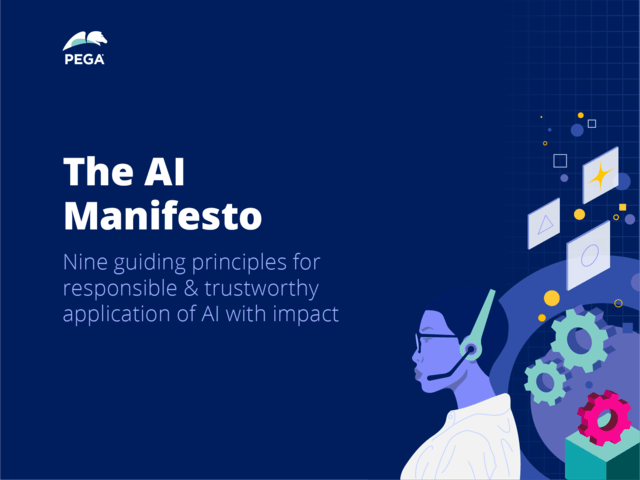
Education as the Torchbearer of Algorithmic Literacy
Knowledge is the antidote to unseen control, and education the cornerstone of empowerment. The manifesto emphasizes cultivating algorithmic literacy as indispensable in the modern world. It argues for integrating critical AI and algorithmic education into the educational canon—an intellectual toolkit enabling individuals to parse, interrogate, and challenge algorithmic narratives.
This pedagogical revolution is envisioned not as a sterile technical training but as a holistic awakening to the ethical, social, and political ramifications of automated systems. It champions curricula that blend technical proficiency with philosophical inquiry, equipping learners as vigilant custodians of equitable technological futures.

Charting an Alternative Future: Ethics, Justice, and Algorithmic Restraint
With an eye toward horizon and legacy, the manifesto carves a path not only of resistance but renewal. It articulates a vision where ethics are encoded as paramount—not as ancillary considerations. Algorithmic restraint becomes a cardinal virtue, prioritizing justice and human rights above the insatiable appetite for optimization.
This reimagined future is suffused with the wisdom of interdisciplinary collaboration—where ethicists, technologists, policymakers, and civil society converge in a dynamic ecosystem. The focus shifts from unchecked innovation to responsible stewardship, embedding principles such as fairness, inclusivity, and reparability at every algorithmic juncture.
Conclusion: The Manifesto as a Digital Compass
The Anti-Algorithmic Manifesto of 2026 emerges as a digital compass in a tempestuous sea of code and computation. It is a profound narrative weaving caution with resolve, critique with aspiration. The manifesto does not paint algorithms as enemies but exhorts society to wrest control of these formidable tools lest they become instruments of alienation rather than empowerment.
In this epoch-defining stance, algorithms must be recalibrated from unquestioned oracles to transparent partners—a symbiosis of human sagacity and machine capability. Such a balance promises not only to preserve autonomy but to kindle a renaissance of equitable, thoughtful technological integration.
As this manifesto surges through the corridors of academia, industry, and civic life, it invites all to cast aside complacency and engage courageously in crafting the digital future. It is a manifesto not only against but for—a for humanity, fairness, and the indomitable spirit of human judgment.


Leave a Comment