

In the quiet hum of a sculptor’s studio, where the scent of clay mingles with the faint metallic tang of wire, there exists a silent saboteur—one that lurks in the shadows of every ambitious project. It’s not the lack of skill, nor the absence of inspiration, but a subtle, often overlooked misstep that unravels months of labor in an instant. This is the tale of the armature mistake, a seemingly minor oversight that can transform a visionary creation into a crumbling ruin. It’s the reason why some sculptures stand the test of time while others collapse under their own weight, both literally and metaphorically. Let’s delve into the anatomy of this common blunder and uncover why it holds such power over the fate of our art.
The Fragile Skeleton: Why Armatures Matter More Than You Think
At the heart of every sculpture lies its skeleton—the armature—a framework that dictates its very survival. Think of it as the spine of your creation, the unsung hero that bears the burden of your artistic ambitions. Yet, despite its critical role, the armature is often treated as an afterthought, a mere placeholder until the real work begins. This is where the first mistake takes root: underestimating its importance. A poorly constructed armature is like building a house on sand; no matter how meticulously you layer the bricks, the foundation will betray you.
Consider the delicate balance of forces at play. Clay, for all its malleability, is a heavy and unforgiving medium. Without a sturdy internal structure, the weight of the material will gradually warp the sculpture, causing it to slump or crack over time. Even in smaller pieces, an inadequate armature can lead to subtle distortions that distort the artist’s intent. The mistake isn’t just structural—it’s philosophical. It reflects a deeper disconnect between the artist’s vision and the practical realities of their craft.
The Weight of Neglect: How Skimping on Materials Backfires
There’s a seductive allure to cutting corners, especially when budgets are tight or deadlines loom. But in the world of sculpture, frugality can be a fatal flaw. The second common mistake is opting for subpar materials in the name of economy. Thin, flimsy wires, weak joints, or insufficient support structures might seem like a harmless shortcut—until gravity steps in. A sculpture’s armature must be robust enough to withstand not just the initial sculpting process but also the drying and firing stages, where stresses intensify.
Imagine a wire armature, hastily assembled with thin, brittle strands that bend under the slightest pressure. As the clay is applied, the framework buckles, creating unsightly bulges or even catastrophic collapses. The result? A sculpture that bears the scars of its own fragility, its once-smooth surfaces marred by the artist’s neglect. This isn’t just a technical failure; it’s a betrayal of the material itself. Clay deserves respect, and that respect begins with the armature that cradles it.
Form Over Function: When Aesthetics Trump Stability
Art is, at its core, a dance between form and function. Yet, in the pursuit of visual harmony, many sculptors sacrifice structural integrity on the altar of beauty. The third mistake is prioritizing aesthetics over stability, crafting armatures that are as delicate as they are elegant. A spiral of thin wire might look exquisite in a sketch, but in reality, it’s a ticking time bomb. The moment the clay is applied, the armature’s weaknesses are exposed, and the sculpture’s integrity is compromised.
This is where the deeper fascination with armatures lies—not just in their role as silent supporters, but in their potential to elevate the sculpture beyond mere craftsmanship. A well-designed armature doesn’t just hold; it enhances. It can subtly guide the flow of the clay, influence the sculpture’s posture, and even become an integral part of the final piece. But this requires a shift in perspective: from seeing the armature as a necessary evil to recognizing it as a collaborator in the creative process.
The Hidden Forces: How Environmental Stress Undermines Weak Armatures
Even the most meticulously crafted armature can fall victim to forces beyond the artist’s control. The fourth mistake is failing to account for environmental stressors—temperature fluctuations, humidity, or the sheer passage of time. A sculpture that survives the studio might crumble when exposed to the elements, its armature unable to withstand the relentless tug of gravity or the corrosive effects of moisture.
Consider the plight of outdoor sculptures, where wind, rain, and temperature swings test the limits of an armature’s resilience. A sculpture placed in a sun-drenched garden might expand and contract with the heat, causing the clay to crack and the armature to weaken. Similarly, indoor sculptures in humid climates can suffer from moisture seeping into the clay, compromising its bond with the armature. The solution lies in choosing materials that can endure these challenges—stainless steel wires, corrosion-resistant metals, or even composite materials designed for longevity.
The Psychological Toll: When Armature Mistakes Haunt the Artist
Beyond the physical consequences, there’s a psychological weight to these mistakes. The fifth and perhaps most insidious mistake is the emotional fallout of a failed sculpture. There’s nothing quite like the sinking feeling of watching a piece you’ve poured your heart into collapse under its own weight. It’s a reminder that art is not just about inspiration; it’s about discipline, patience, and respect for the materials at hand.
This is where the fascination with armatures deepens. They become more than just structural supports; they are metaphors for the artist’s relationship with their craft. A flawed armature is a mirror, reflecting the artist’s haste, impatience, or lack of preparation. Conversely, a well-constructed one is a testament to foresight and dedication. It’s no wonder that sculptors often speak of their armatures with a mix of reverence and trepidation—they are the first and last line of defense against the chaos of creation.
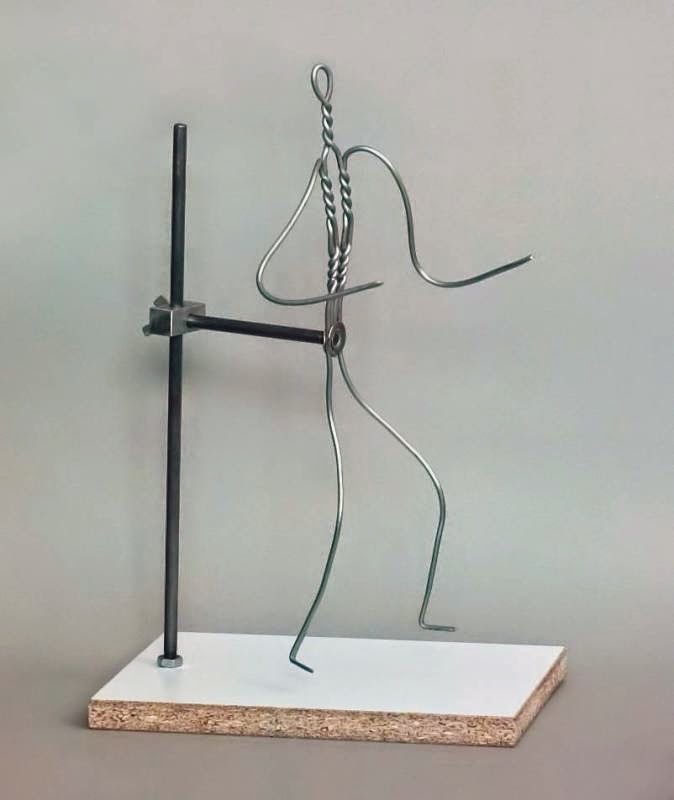
The Redemption: How to Build an Armature That Lasts
So, how does one avoid the pitfalls of the armature mistake? The answer lies in a combination of knowledge, experimentation, and humility. Start by selecting the right materials for your project—thick, sturdy wires for large sculptures, lighter gauges for smaller pieces. Consider the medium you’re working with; clay, for instance, requires a different approach than wax or paper mache. Reinforce joints with solder, epoxy, or even additional wire wraps to ensure stability.
Next, think of the armature as an active participant in the creative process. Don’t just build it and forget it; let it guide your hand. Use it to map out the sculpture’s posture, its balance points, and its weight distribution. Test its strength by applying gentle pressure before committing to the final form. And most importantly, give it time. A rushed armature is a recipe for disaster, no matter how brilliant the concept.
Finally, embrace the iterative nature of sculpture. Even the most experienced artists make mistakes, and the best solutions often come from trial and error. Document your process, take notes on what works and what doesn’t, and don’t be afraid to dismantle and rebuild. The armature is not a one-time investment; it’s a living, evolving part of your artwork.
The armature mistake is more than a technical error—it’s a lesson in the fragility of creation itself. It reminds us that art is not just about inspiration; it’s about respect, patience, and an unwavering commitment to the craft. Whether you’re a seasoned sculptor or a beginner, the principles remain the same: build strong, think ahead, and never underestimate the power of a well-crafted skeleton. For in the end, it’s not just the sculpture that stands or falls—it’s the artist’s integrity, piece by piece.


Leave a Comment