

Picture this: a bustling art fair, the air thick with the scent of freshly printed canvases and the hum of eager conversations. Artists huddle behind their booths, fingers crossed, hoping for that one sale that might turn their day around. Yet, amidst the sea of creativity, only a handful stand out—those whose booths don’t just display art, but sell it. What’s their secret? It’s not luck. It’s design. Not just any design, but one that whispers to passersby, “Stop. Look. Buy.” Today, we’re pulling back the curtain on the art fair booth design that sells twice as much work. Buckle up—this isn’t just a guide; it’s a transformation.
The Psychology of First Impressions: Why Your Booth Must Be a Magnet
Humans are wired to make snap judgments. In the span of three seconds, a potential buyer decides whether your booth is worth their time. That’s not an exaggeration—it’s neuroscience. Your booth’s design isn’t just an aesthetic choice; it’s a psychological trigger. The colors, the layout, even the spacing between pieces, all whisper subconscious cues. A cluttered booth screams “desperation.” A sparse one feels “elite.” But a strategically designed booth? It feels like an invitation. It says, “I’ve thought about you.”
Consider the power of contrast. A bold, unexpected color against a neutral backdrop doesn’t just catch the eye—it lodges in the memory. Think of it as the visual equivalent of a catchy jingle. You want people to remember your booth long after they’ve walked past it. And here’s the kicker: the more memorable your booth, the more likely they are to return, even if they don’t buy immediately. That’s the first step toward a sale.
The Layout That Guides the Eye—and the Wallet
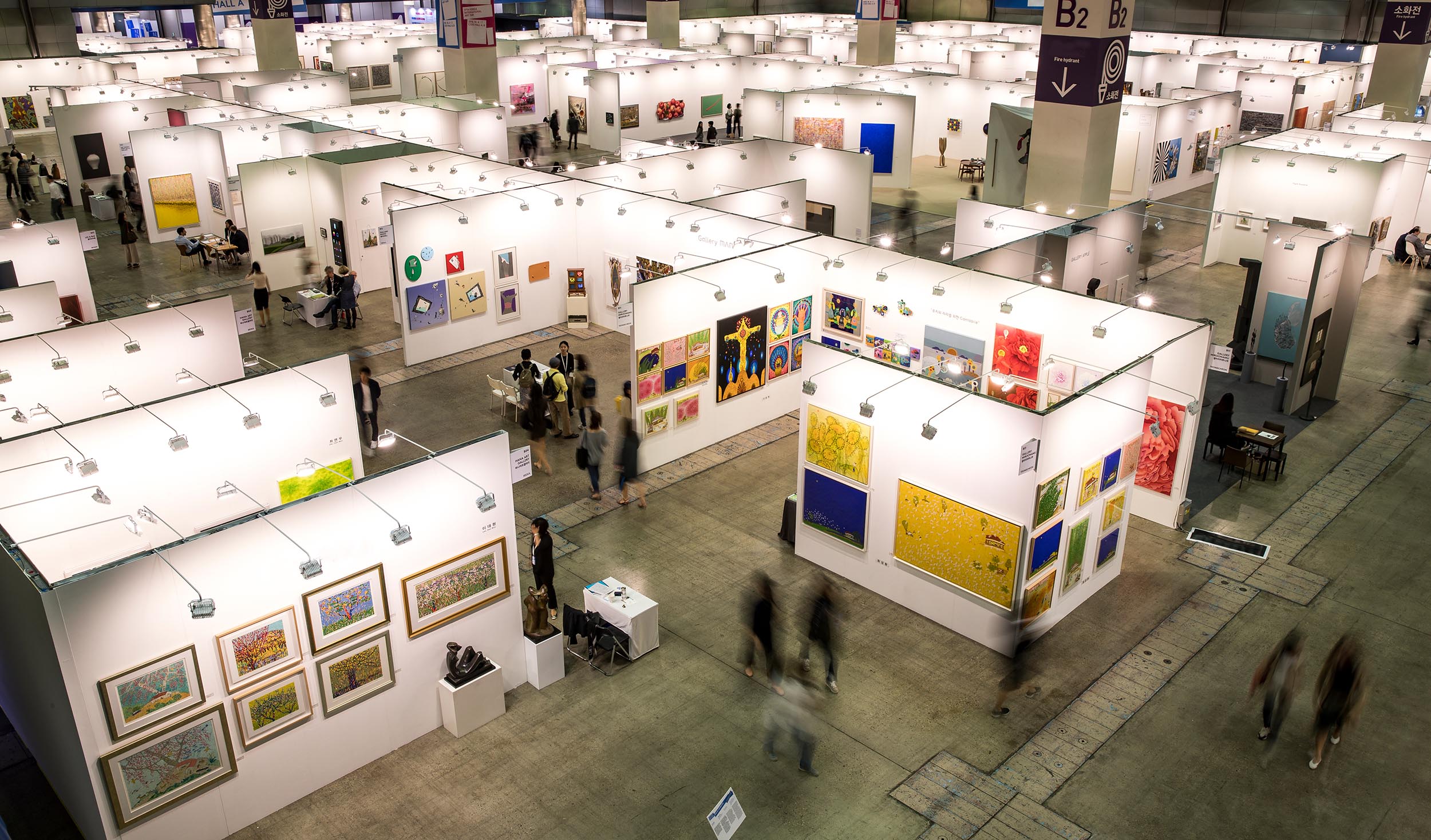
Ever walked into a store and felt an invisible hand gently steering you toward the checkout? That’s not magic. It’s layout. The same principle applies to your art fair booth. The way you arrange your pieces isn’t just about aesthetics—it’s about guiding the buyer’s journey. Start with the “power wall.” This is the first thing they see when they approach. It should feature your strongest, most eye-catching work. Not your favorite. Not your most expensive. Your strongest. The one that stops them in their tracks.
From there, create a natural flow. Use the “rule of thirds” to your advantage. Divide your booth into imaginary sections, and place key pieces at the intersections. This creates a sense of balance and intrigue. Avoid the temptation to fill every inch of space. Negative space isn’t empty—it’s a breathing room that lets your art shine. And here’s a pro tip: place your most affordable pieces at eye level, where they’re easiest to grab. Higher-priced items? Elevate them slightly, but keep them within reach. You want to make the purchase feel effortless.
Don’t forget the back of the booth. This is your closing zone. Place your priciest or most complex pieces here, where buyers who’ve taken the full journey are primed to invest. It’s like the dessert tray at a restaurant—by the time they get there, they’re already in the mood to indulge.

The Power of Storytelling: Make Your Art a Must-Have Narrative
Art isn’t just about what’s on the canvas—it’s about the story behind it. Buyers don’t just purchase a piece; they buy a narrative. They want to feel connected to the artist, the process, the inspiration. Your booth should be a storyteller. Start with a clear theme. Are you a nature artist? A minimalist? A pop surrealist? Your booth’s design should reflect that theme cohesively. Use consistent colors, fonts, and even materials to create a visual language that speaks before you do.
But don’t stop at aesthetics. Bring the story to life. Include a small plaque or card that shares the inspiration behind a piece. Better yet, create a “story wall” where you display photos of your process—sketches, works in progress, even a snapshot of your studio. This transforms your booth from a static display into an immersive experience. Suddenly, your art isn’t just something to hang on a wall—it’s a piece of your world they can take home.
And here’s a little secret: people love to feel like insiders. Offer a “behind-the-scenes” moment. Maybe it’s a live demo, a short video playing on a loop, or even a QR code that links to a time-lapse of your creative process. The more they feel like they’re part of your journey, the more invested they become in owning a piece of it.
The Lighting Trick That Makes Your Art Glow (Literally)
Lighting isn’t just functional—it’s transformative. The right lighting can make a piece look ethereal, while poor lighting can turn a masterpiece into a muddy mess. Start with the basics: avoid overhead fluorescent lights. They cast harsh shadows and flatten textures. Instead, opt for warm, diffused lighting. LED panels or track lighting with adjustable brightness are your best friends. They allow you to highlight specific pieces and create depth.
But here’s where the magic happens: directional lighting. Use spotlights to create pools of light that draw the eye to your key pieces. Angle them slightly to avoid glare, and consider using accent lighting to add drama. For example, a subtle uplight beneath a sculpture can make it appear to float. For paintings, a light source at a 30-degree angle will reveal textures and details that might otherwise go unnoticed. The goal? To make your art look so good that buyers can’t resist touching it—or better yet, pulling out their wallets.
Don’t forget about ambient lighting. String lights or small lamps can add warmth and draw people into your booth. Think of it as setting the mood. You want your space to feel inviting, like a cozy gallery rather than a sterile showroom. The right lighting doesn’t just illuminate your art—it elevates it.

The Closing Strategy: Turn Lookers into Buyers
You’ve designed a booth that stops traffic. You’ve told a story that resonates. You’ve lit your art to perfection. Now, the final piece of the puzzle: the close. This isn’t about pressure—it’s about facilitation. Start with the “yes ladder.” Begin with small, easy questions: “Do you prefer abstract or figurative pieces?” “What colors do you gravitate toward?” Each “yes” builds momentum, making the final purchase feel like a natural next step.
Offer multiple price points. Not everyone will buy a $500 piece, but they might grab a $50 print or a $200 smaller work. Make it easy to say yes. Display prices clearly—no one likes to ask, “How much is this?”—and offer flexible payment options. Square readers, Venmo, even old-school layaway can remove barriers. And don’t underestimate the power of a simple, “This piece would look incredible in your space.” Confidence sells.
Finally, follow up. Not every sale happens at the fair. Collect emails or phone numbers with permission, and send a thank-you note within 48 hours. Include a photo of the piece they admired and a link to purchase. This keeps the momentum going and turns a fleeting interaction into a lasting relationship.
There you have it—the art fair booth design that doesn’t just display art, but sells it. It’s not about luck or talent alone. It’s about psychology, storytelling, and strategy. It’s about creating an experience so compelling that buyers can’t help but say yes. So the next time you set up your booth, ask yourself: Does this stop people in their tracks? Does it make them feel something? Does it make them want to take a piece of your world home with them? If the answer is yes, you’re not just selling art—you’re selling a connection. And that, my friends, is the kind of sale that lasts.


Leave a Comment