

In an era dominated by instant digital communication, the humble postcard remains a timeless artifact, bridging history, art, and personal narrative. The art of the postcard is not merely about a captured image; it is a gateway to a rich universe of cultural expression, nostalgia, and collectible passion. For those intrigued by visual storytelling, historical documentation, or the simple joy of gathering tangible memories, postcard collecting offers an immersive and endlessly rewarding pursuit.
The Visual Landscape: A Canvas of Diversity
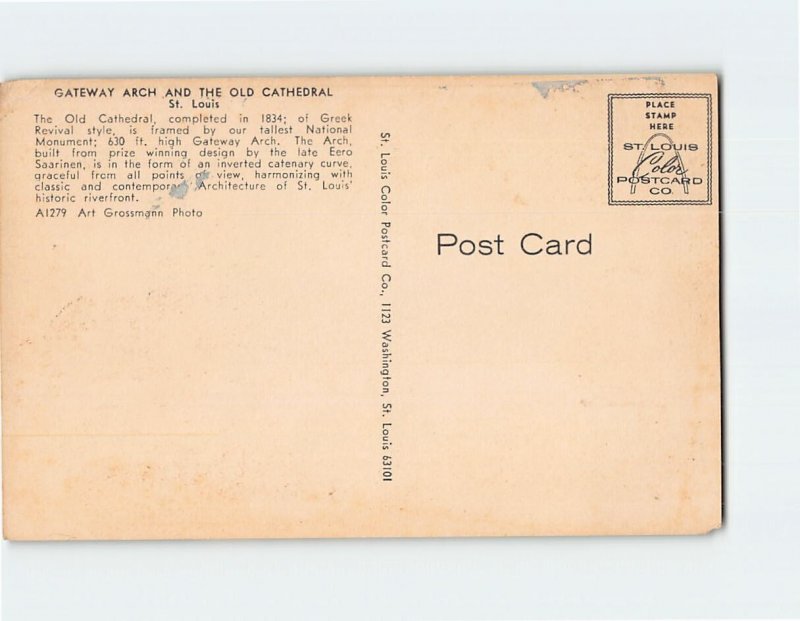
Postcards display an astonishing array of visual content, each crafted to encapsulate a moment or place in a succinct, vivid image. From grand landmarks and cityscapes to whimsical interpretations of everyday life, the variety is staggering. Consider the majestic Gateway Arch, a symbol of exploration and American frontier spirit, immortalized in postcards not only as a photographic marvel but as a subject of artistic interpretation. Such postcards often capture the monument bathed in the golden hour light or juxtaposed with the sprawling urban skyline, inviting the viewer to experience the landmark anew.
These evocative images do more than depict; they evoke atmosphere and sentiment. Vintage postcards, like those portraying the ancient Bloody Tower of London, are steeped in historical ambiance and rendered with an artistic sensibility that transforms stone and mortar into myth and legend. The creative techniques range from detailed oils and etchings to early photography, offering collectors a window into past eras and artists’ perspectives.

The artistic diversity extends from classical realism to impressionism-inspired imageries, and even abstract representations. This spectrum makes postcard collecting a richly varied experience, appealing to art enthusiasts as well as historians.
Historical Significance and Cultural Chronicles
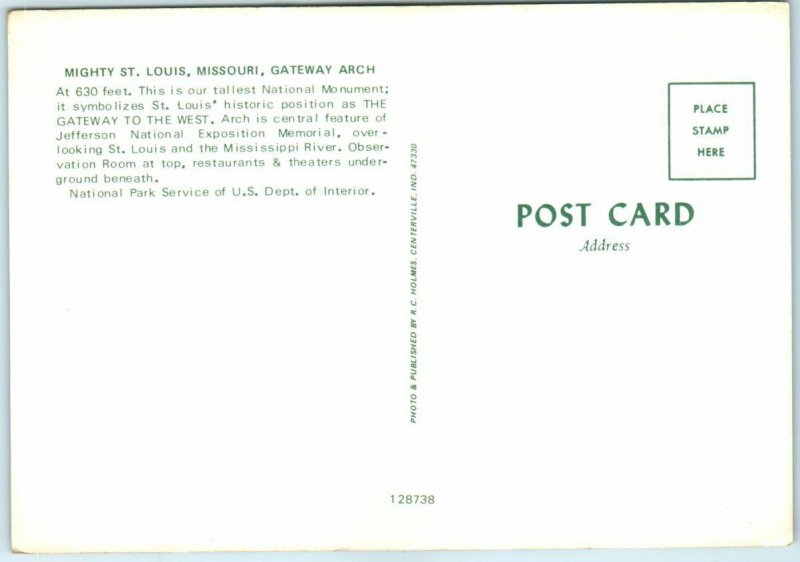
Beyond their aesthetic appeal, postcards serve as miniature historical documents. Each one encapsulates a narrative about the time and place it represents, the cultural sentiments, and even the social mores prevalent during its creation. Gateway Arch National Park, for instance, symbolizes an epoch of expansion and innovation in American history, and postcards dedicated to this site chronicle changing attitudes toward preservation, architecture, and national identity over decades.
Collecting historical postcards allows enthusiasts to piece together fragmented narratives, gaining insights into tourism, urban development, and evolving aesthetics. Postcards can reveal forgotten landmarks, past modes of transport, fashions, and daily life scenes that textbooks seldom capture with such immediacy or intimacy.
The Collector’s Journey: Variety and Specialization
The world of postcard collecting is wonderfully multifaceted. Collectors may focus on geographic themes, such as cities, states, or countries, or delve into specialized genres like vintage travel ads, scenic nature shots, or architectural marvels. Others may embrace chronological collections, tracing the evolution of printing techniques—from lithography to chromolithography to modern photochrom postcards—which add another layer of historical intrigue.
Specialization can also extend to the type of card itself: messages on postcards reveal personal stories, while unused postcards hold pristine visual appeal. Some collectors chase the elusive “real photo” postcards, where actual photographic prints are mounted on card stock, resulting in unparalleled image clarity and detail. Then there are the exquisite “oilette” art postcards, with their hand-painted look, offering a tactile and visual delight inspired by impressionistic paintings.
Postcards as Social Artifacts: Messages and Memories
Every postcard carries the unique imprint of human connection through the handwritten notes on its reverse side. These messages—be they brief greetings, love confessions, or news snippets—transform postcards into intimate vessels of communication across time and space. The juxtaposition of image and text enriches the collector’s experience, providing a glimpse into the personal lives of strangers, historical correspondences, and travel tales.
This dimension introduces a deeply human element, as the cards become artifacts not just of visual culture but of social history. They preserve dialects, handwriting styles, postal marks, and ephemeral moments otherwise lost to the passage of decades.
Preservation and Display: Caring for the Ephemeral
Because postcards are typically printed on relatively fragile cardstock, proper preservation is essential for the longevity of any collection. Collectors invest in archival sleeves, acid-free storage boxes, and climate-controlled environments to safeguard their treasures against moisture, fading, and physical wear. Display techniques range from elegant frames highlighting individual pieces to elaborate albums designed for systematic chronological or thematic presentation.
The tactile experience of flipping through a well-curated collection is unmatched. It fosters a sense of discovery and continuity, linking past travelers, artists, and collectors who shared the same fascination for these small but powerful portals.
The Future of Postcard Collecting
Despite the rise of digital media and instantaneous visual sharing, the postcard remains relevant as a collectible and as an art form. Modern artists and photographers continue the tradition, producing limited-edition prints that merge contemporary aesthetics with classic postcard formats. Moreover, global interest in vintage postcards is growing, fueled by auctions, online marketplaces, and dedicated exhibitions that celebrate the postcard’s role in cultural history.
Technology has also expanded access to collections worldwide, enabling enthusiasts to explore rare finds from distant archives with ease. As a result, the postcard is both a cherished relic and a living medium, continually evolving and inspiring new generations of collectors and artists.
Ultimately, the art of the postcard is a testament to visual storytelling and human connection. It invites us to journey across time and space, to gaze upon landscapes both iconic and obscure, and to embrace the layered narratives woven through image, text, and history. For anyone enthralled by the magic of tangible memories and the power of artistic expression, postcard collecting offers an unparalleled gateway into a vibrant and endlessly fascinating world.


Leave a Comment