

In the midst of a digitally saturated world, where virtual experiences often eclipse physical interactions, a remarkable trend is emerging among Generation Z. This cohort, known for their affinity with technology and social media, is paradoxically gravitating towards the tangible, investing in something as elemental and earthbound as soil and mycelium. This phenomenon is more than a fleeting fad—it is a profound shift that encapsulates a yearning for connection, sustainability, and self-empowerment. Exploring this intriguing movement unveils layers of cultural, ecological, and psychological significance that redefine contemporary consumer behavior.
The Allure of the Earth: Why Tangibility Matters
Gen Z’s inclination towards purchasing soil and mycelium products is deeply rooted in their desire for authentic, tactile experiences. Amid incessant screen time and digital overwhelm, soil offers something profoundly real and grounding. Handling soil, planting seeds, and watching fungi grow creates a physical connection to the natural world, fostering mindfulness and a sense of accomplishment that digital interactions cannot replicate.

This tangible engagement promotes well-being, positioning soil not merely as a medium for growth but as a therapeutic tool. The tactile experience impacts mental health positively by reducing anxiety and boosting a sense of purpose. For a generation navigating economic uncertainty and climate anxiety, soil becomes a vessel of hope and regeneration.
Mycelium: The Invisible Network Beneath the Surface
Beyond soil lies mycelium, the intertwined fungal filaments vital to ecosystem health and nutrient cycling. Gen Z’s fascination with mycelium transcends its ecological role—it embodies innovation and sustainability. Mycelium products range from eco-friendly packaging and leather alternatives to cultivation kits that empower individuals to grow their own mushrooms.
This interest signals a paradigm shift: consumers are no longer passive recipients but active participants in environmental stewardship. The regenerative properties of mycelium forge a symbiotic relationship between humans and microflora, prompting a reconceptualization of value—one that honors life cycles and sustainability.
The Socioeconomic Tapestry: Sustainability Meets Affordability
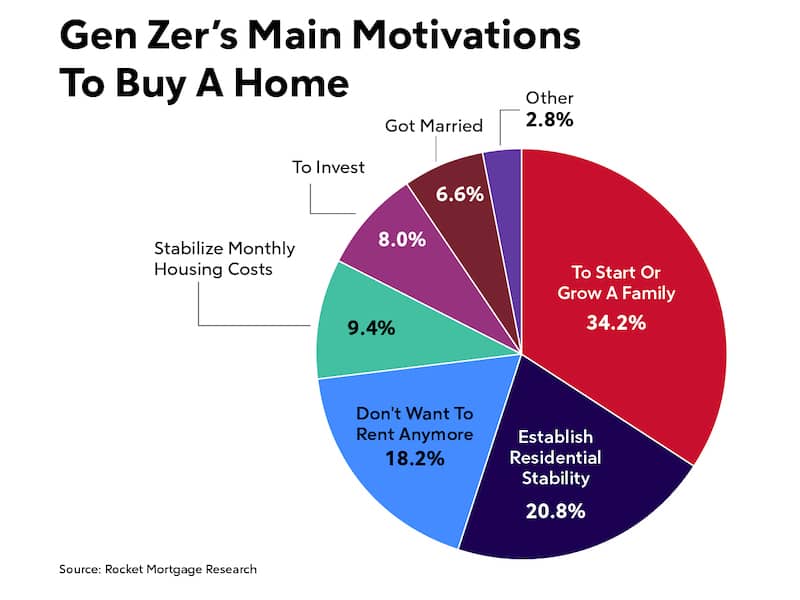
Gen Z’s economic prudence is a defining characteristic driving their affinity for soil and mycelium. With many planning significant investments like home ownership within a few years, eco-consciousness intersects with financial savvy. Soil and mycelium products often embody affordability and multifunctionality, offering a gateway to greener living without exorbitant costs.
Garden beds born from purchased soil reduce reliance on industrial agriculture, cutting grocery bills and carbon footprints alike. Mycelium-based goods replace plastics and leathers, fostering a circular economy. This synergy between sustainability and economy resonates with Gen Z’s pragmatism, making these purchases deeply meaningful on both personal and planetary levels.
Cultural Narratives and Digital Communities
While the appeal of soil and mycelium is deeply physical, digital platforms amplify and nurture this burgeoning interest. Social media channels teem with communities sharing cultivation tips, DIY mycelium projects, and urban gardening success stories. These virtual tribes transform solitary acts of growing into communal celebrations, empowering individuals through collective knowledge and support.

This confluence of the tangible and digital creates a new form of storytelling—one where roots and spores anchor identity and purpose. It’s an antidote to digital isolation, as soil and fungi become symbols not only of growth but of connection.
Implications for Marketers and Innovators
The rising demand for soil and mycelium products offers valuable insights for marketers and product developers. Gen Z prioritizes transparency, sustainability, and authenticity—values that must permeate product narratives and branding. Buying habits reflect a deeper quest for experiences that are not only eco-friendly but culturally resonant and emotionally fulfilling.
Innovative packaging, educational content, and community engagement are pivotal. Products that enable participation and co-creation, such as DIY mycelium kits or customizable soil blends, appeal strongly to this creative, conscientious demographic. The art lies in crafting offerings that transcend commodity status and become catalysts for lifestyle transformation.
Looking Ahead: The Lasting Impact of the Tangible Renaissance
As Gen Z deepens its relationship with soil and mycelium, the implications ripple through environmental practices, consumer culture, and urban living. This tangible renaissance fosters a renewed reverence for ecosystems and underscores the vital interdependence of human and natural realms. Soil and fungi become anchors not just for individual growth but for collective resilience.
Ultimately, this movement represents more than a preference for earthy products; it is a clarion call for reconnection in an age of disconnection. Through soil and mycelium, Gen Z weaves narratives of regeneration, stewardship, and hope—planting seeds for a sustainable future where tangibility cultivates meaning.


Leave a Comment