

In the hushed interstices of the mind, where the rational dissolves into the surreal, dreams unfurl like ink on water—ephemeral, yet indelibly etched into the fabric of human consciousness. They are the silent cartographers of the subconscious, mapping territories we dare not explore while awake. The logic that governs these nocturnal odysseys is not the cold, linear calculus of daylight but a fluid, associative dance of symbols and emotions. It is a logic that whispers rather than shouts, that bends reality to its whims, and that leaves us, upon waking, with the uncanny sense of having touched something profound—something just beyond the reach of waking understanding.
This is the art of the unseen: the dream logic that stitches together fragments of memory, desire, and fear into narratives that feel both alien and intimately familiar. It is a phenomenon that has captivated philosophers, artists, and scientists alike, each attempting to decipher the hieroglyphs of the night. Why, we wonder, does the mind conjure such vivid, often bizarre scenarios? What deeper currents of thought and emotion do these dreams reveal? And why does the allure of the subconscious persist, undiminished, across cultures and centuries?
The Alchemy of Dream Logic: Where Reality Bends
Dream logic is not a flaw in the mind’s machinery but a feature—a deliberate, if enigmatic, mechanism for processing the ineffable. Unlike the rigid structures of waking cognition, it thrives on metaphor, juxtaposition, and emotional resonance. A mundane object, like a door, might transform into a portal to another world; a fleeting memory could resurface as a towering, sentient tree. This fluidity is not randomness but a form of cognitive alchemy, where the mind distills raw experience into something both personal and universal.
Consider the phenomenon of temporal distortion in dreams, where minutes stretch into hours or entire lifetimes unfold in what feels like an instant. This temporal elasticity mirrors the way the subconscious processes time—not as a linear progression but as a series of emotional and symbolic snapshots. The mind, freed from the constraints of chronology, weaves together disparate moments into a cohesive, if surreal, narrative. It is as if the subconscious is a sculptor, chiseling away at the marble of memory to reveal hidden forms.

This bending of reality is not merely a quirk of the sleeping mind but a reflection of its deeper workings. Dreams often serve as a cognitive sandbox, where the brain experiments with scenarios, resolves conflicts, and rehearses responses to potential threats. In this space, the impossible becomes possible, and the mind’s true priorities—those buried beneath the noise of daily life—rise to the surface. It is a process that feels almost sacred in its honesty, stripping away the veneer of social convention to reveal the raw, unfiltered self.
The Subconscious as a Mirror: Reflections of the Unspoken
The subconscious is not a passive repository of forgotten thoughts but an active participant in the construction of meaning. It speaks in a language of symbols, where every image, sound, and sensation carries weight. A snake might not be a snake but a representation of transformation or fear; a falling sensation could symbolize loss of control or the dissolution of ego. This symbolic lexicon is deeply personal, yet it also taps into archetypes that resonate across human experience—archetypes that Carl Jung famously described as the collective unconscious.
Dreams, then, are not just personal fantasies but dialogues with the universal. They are the mind’s way of engaging with the numenous—that which is beyond the rational, the sacred, the ineffable. In this dialogue, the subconscious acts as both artist and critic, shaping raw material into narratives that challenge, comfort, or unsettle. It is a process that feels almost like a séance, where the conscious mind listens to the whispers of a deeper self.
This mirroring function of the subconscious is why dreams often feel prophetic or revelatory. They distill the complexities of life into digestible, emotionally charged vignettes. A recurring dream, for instance, might signal an unresolved conflict or a buried desire. The mind, in its infinite wisdom, refuses to let these issues remain buried, instead presenting them in a form that demands attention. It is as if the subconscious is a gardener, pruning the overgrowth of the psyche to allow new growth—or at least, new awareness—to flourish.
The Artist’s Dream: Creativity as a Subconscious Dialogue
Artists have long been the chroniclers of the subconscious, translating its cryptic messages into tangible forms. From the surrealist paintings of Dalí to the stream-of-consciousness prose of Virginia Woolf, the act of creation is often a dialogue with the unseen. The artist’s mind, like the dreamer’s, operates on the fringes of rationality, where logic is fluid and meaning is emergent.
This is why so many masterpieces feel both familiar and alien—because they are born from the same wellspring as our dreams. The artist, in a sense, becomes a medium, channeling the subconscious into a form that others can experience. The result is a work that resonates on a primal level, bypassing the intellect to speak directly to the emotions. It is a testament to the power of the unseen, the unspoken, and the unrationalized.
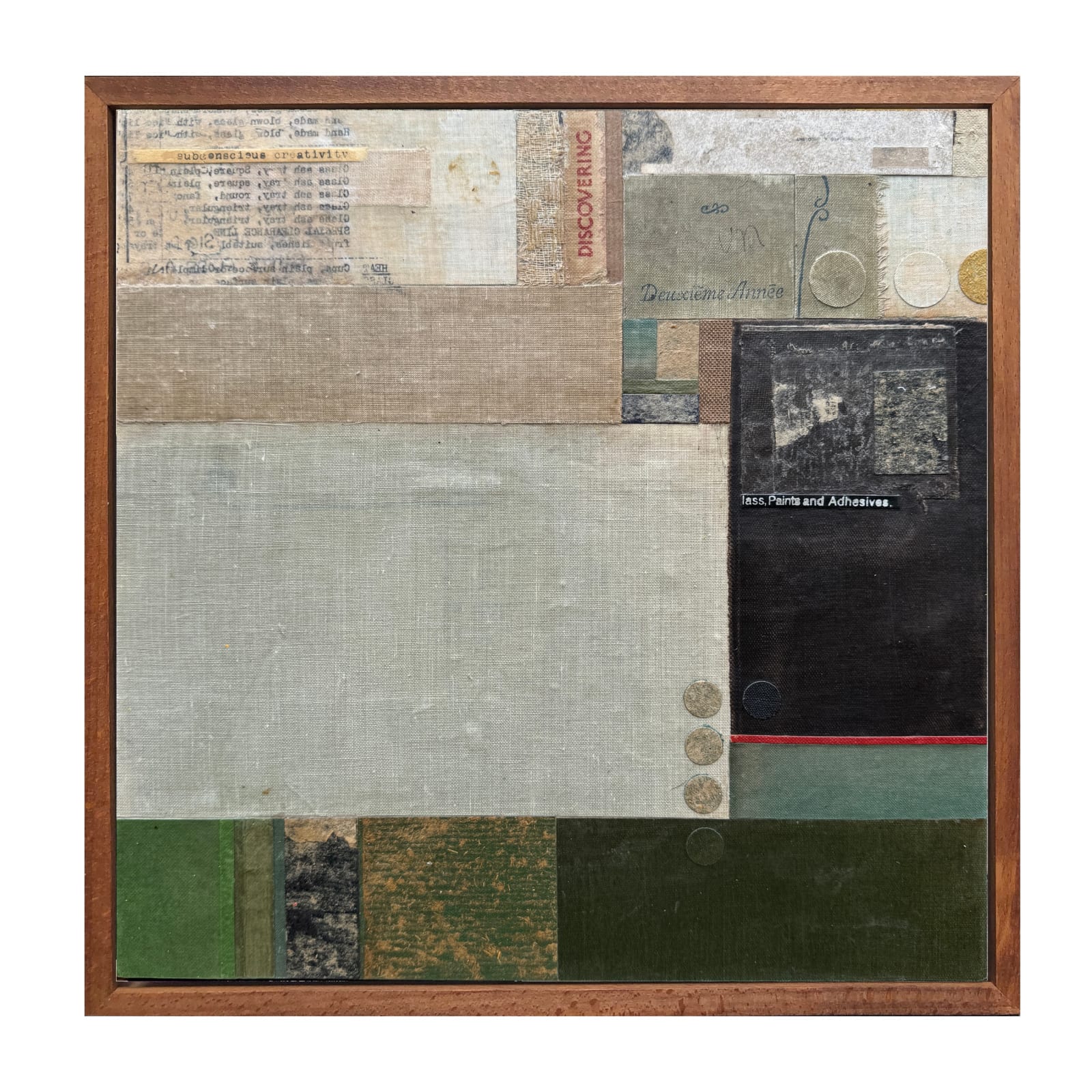
The creative process itself is often described as a dreamlike state, where ideas flow without the constraints of logic or critique. The artist, like the dreamer, enters a liminal space where the rules of reality are suspended. This is why so many breakthroughs in art, science, and philosophy occur in moments of reverie—when the mind is free to wander beyond the boundaries of the known. The subconscious, in its infinite generosity, offers up solutions, images, and narratives that the waking mind might never conceive.
The Science of the Unseen: What Dreams Reveal About the Mind
Modern neuroscience has begun to unravel the mysteries of dream logic, revealing a brain that is far more active—and far more creative—during sleep than previously imagined. Studies using fMRI scans show that the same regions of the brain responsible for memory, emotion, and visual processing are highly engaged during REM sleep, the phase most associated with vivid dreaming. This suggests that dreams are not mere random firings of neurons but a sophisticated, if chaotic, form of mental housekeeping.
One theory posits that dreams serve as a simulation system, allowing the brain to model potential threats and outcomes in a safe environment. This would explain why so many dreams involve scenarios of pursuit, failure, or transformation—scenarios that, while distressing, provide valuable practice for navigating real-life challenges. The subconscious, it seems, is an eternal student, forever rehearsing the dance of existence.
Another fascinating aspect of dream logic is its role in emotional regulation. Dreams often revisit traumatic or stressful events, not to torment the dreamer but to process and integrate them. This is why recurring dreams are so common—they are the mind’s way of saying, “I’m still working on this.” The subconscious, it turns out, is an unrelenting therapist, forcing us to confront what we might otherwise avoid. It is a process that can be painful but ultimately healing, like lancing a wound to let the poison out.
The Allure of the Unconscious: Why We Are Drawn to the Dreamlike
There is a reason why the dreamlike has such a powerful hold on the human imagination. It speaks to a fundamental truth about existence: that reality is not as solid or as predictable as we like to believe. The subconscious, with its fluid logic and symbolic richness, offers a counterpoint to the rigid structures of society, a reminder that there is more to life than what meets the eye.
This allure is evident in the way we consume media—films, literature, and art that blur the line between reality and fantasy. From the surreal landscapes of Inception to the dreamlike prose of Haruki Murakami, we are drawn to stories that feel like dreams because they resonate with something deep within us. They tap into the same wellspring of emotion and symbolism that our own dreams do, offering a glimpse into the hidden workings of the mind.
Even in our waking lives, we crave moments of controlled surrealism—those instances where reality bends just enough to feel magical. Whether it’s the golden hour light that turns a mundane street into a dreamscape or the synchronicities that make us pause and wonder, these are the moments that remind us of the art of the unseen. They are the mind’s way of saying, “Look closer. There is more here than you realize.”
The fascination with dream logic and the subconscious is, at its core, a fascination with the unknown. It is the human spirit’s eternal quest to understand itself, to map the territories of the mind that lie beyond the reach of waking consciousness. And in that quest, we find not just answers but a deeper appreciation for the mystery of existence—a mystery that, like a dream, is best experienced without the need for complete understanding.
So the next time you wake from a vivid dream, take a moment to linger in its afterglow. The logic of the unseen is not something to be solved but something to be savored—a fleeting glimpse into the infinite depths of the human experience.


Leave a Comment