

In the hushed glow of headphones, a voice unfolds like a secret shared only with you. It’s not just any voice—it’s the author’s, weaving words into an intimate tapestry that feels like a whispered confession. This is the magic of self-narration, a trend sweeping through the literary world where writers don’t just pen stories—they breathe life into them with their own breath, their own cadence, their own soul. The audiobook narration trend isn’t merely about convenience or accessibility; it’s a revolution in storytelling, a reclaiming of narrative control, and a deeply personal bridge between creator and audience. But why are authors increasingly choosing to narrate their own works? What compels them to step out from behind the curtain of prose and into the spotlight of performance? The answer lies not just in the art of narration, but in the alchemy of identity, authenticity, and the unspoken contract between storyteller and listener.
At its core, self-narration is an act of defiance against the faceless intermediaries of traditional publishing. For decades, audiobooks were often handed off to professional voice actors, whose job was to embody the text with impartial skill. While this approach has its merits, it can sometimes strip away the raw emotional texture that only the author can provide. When an author narrates their own work, they infuse it with the weight of their lived experience, the nuances of their intent, and the unfiltered passion that birthed the story in the first place. It’s as if the book, once a distant artifact, suddenly becomes a living conversation—one where the author’s voice carries the scars, the triumphs, and the idiosyncrasies of their journey. This isn’t just narration; it’s a form of literary resurrection, where the written word is reborn through the timbre of its creator’s voice.
The Allure of Authenticity: Why Readers Crave the Author’s Voice
In an era saturated with synthetic voices and algorithmically generated content, authenticity has become a rare and precious commodity. Readers don’t just want to consume stories; they want to feel the pulse of the person who dreamed them into existence. When an author narrates their own book, they offer something intangible yet profoundly powerful: a direct line to their creative psyche. This isn’t about perfection—it’s about presence. The stumbles, the hesitations, the moments of unscripted emotion all become part of the narrative, creating a listening experience that feels eerily human.
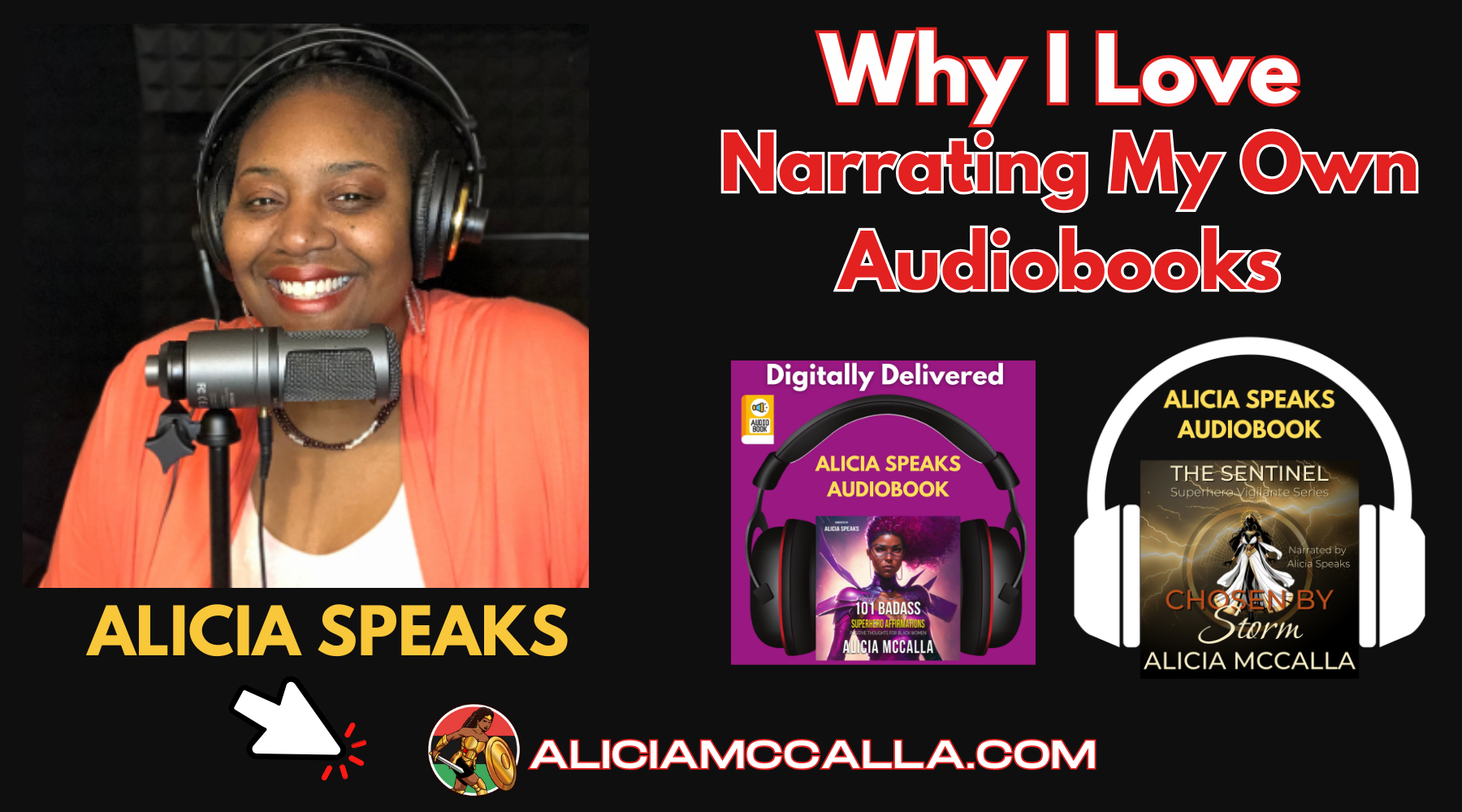
Consider the case of memoirists who narrate their own life stories. Their voices carry the weight of memory, the cadence of their speech patterns, and the emotional inflections that no actor could replicate. When Alicia McCalla speaks about her love for narrating her own audiobooks, she isn’t just describing a process—she’s inviting listeners into her world, letting them hear the story through the lens of her own lived experience. It’s a form of vulnerability that transcends the page, forging a bond that feels almost sacred. This authenticity isn’t just a trend; it’s a cultural shift toward valuing the unfiltered, the personal, and the profoundly real in an age of curated perfection.
The Power of Control: Reclaiming the Narrative from the Shadows
For many authors, self-narration is less about performance and more about sovereignty. The traditional publishing industry has long dictated how stories are told, who tells them, and how they are presented to the world. But when an author takes the reins of their audiobook, they reclaim a level of control that was once out of reach. This isn’t just about artistic integrity—it’s about financial autonomy, creative freedom, and the ability to shape how their work is experienced. In a landscape where streaming platforms and audiobook services dominate, self-narration allows authors to bypass the gatekeepers and deliver their vision directly to their audience.
This shift is particularly evident in genres where the author’s voice is inseparable from the story. For instance, in romance or young adult fiction, the author’s tone can set the mood, the pacing, and the emotional resonance in ways that a third-party narrator might miss. When an author narrates their own work, they ensure that the humor lands where it should, the drama swells at the right moment, and the subtext hums beneath the surface exactly as intended. It’s a level of precision that’s impossible to achieve when the story is filtered through someone else’s interpretation. In this sense, self-narration isn’t just a trend—it’s a declaration of independence, a refusal to let the story be diluted by intermediaries.
The Emotional Alchemy: How Voice Transforms Story into Experience
There’s a certain alchemy that happens when a story is spoken aloud by its creator. Words on a page are static, open to interpretation, but a voice is dynamic, alive, and brimming with subtext. When an author narrates their own work, they infuse it with a layer of meaning that transcends the written word. The pauses, the emphasis, the breath before a climactic moment—all of these elements become part of the storytelling, creating an immersive experience that’s impossible to replicate in print.
This emotional alchemy is particularly potent in genres like literary fiction or creative nonfiction, where the author’s voice can elevate the text from mere prose to a visceral experience. For example, when an author reads their own poetry or a deeply personal essay, the listener isn’t just hearing words—they’re hearing the heartbeat of the creator. It’s as if the story is no longer confined to the page but spills out into the world, carried by the author’s voice like a living entity. This transformation is what makes self-narration so compelling: it turns storytelling from a solitary act into a shared journey, where the author and the listener walk the same path together.

The Psychological Pull: Why We’re Drawn to the Author’s Voice
There’s something almost primal about the connection between a storyteller and their audience. When we hear an author narrate their own work, we’re not just consuming a story—we’re eavesdropping on a private conversation. This psychological pull is rooted in our innate desire for authenticity and connection. In a world where digital interactions often feel hollow, the author’s voice offers a rare form of intimacy, a bridge between the creator and the consumer. It’s a reminder that behind every book is a human being, with their own struggles, passions, and quirks.
This fascination with the author’s voice isn’t new. Think of the oral traditions of ancient cultures, where stories were passed down through generations by the storyteller’s own voice. Or consider the modern phenomenon of podcasts, where hosts build loyal followings by speaking directly to their audience. Self-narration taps into this same desire for connection, offering a level of engagement that’s impossible to achieve through text alone. When an author narrates their own work, they’re not just sharing a story—they’re inviting listeners into their world, creating a bond that feels both personal and profound.
The Future of Storytelling: A New Era of Creative Liberation
The rise of self-narration isn’t just a passing trend—it’s a harbinger of a new era in storytelling, one where authors are no longer confined by the limitations of traditional publishing. As technology makes it easier than ever to record and distribute audiobooks, more authors are taking control of their narratives, both literally and figuratively. This shift isn’t just about convenience; it’s about reclaiming the power of storytelling and putting it back into the hands of the creators. In the future, we may see even more innovative forms of self-narration, from interactive audiobooks where listeners can choose their own paths to immersive experiences that blend voice, music, and sound design.
For authors, self-narration offers a chance to connect with their audience in a way that’s both deeply personal and profoundly impactful. It’s a chance to share their story on their own terms, to infuse it with their own voice, and to create an experience that’s uniquely theirs. And for listeners, it’s an opportunity to hear the story in a way that feels intimate, authentic, and alive. In a world where stories are often consumed in passing, self-narration reminds us of the power of the spoken word, the magic of a voice, and the enduring allure of a story well told.
The audiobook narration trend isn’t just about the rise of a new format—it’s about the rebirth of storytelling itself. It’s a testament to the enduring power of the human voice, the unbreakable bond between creator and audience, and the timeless magic of a story that comes to life through the breath of its teller. As we move forward, one thing is clear: the future of storytelling isn’t just written—it’s spoken, breathed, and shared in the most intimate of ways.


Leave a Comment