

The air hums with the quiet rhythm of life—leaves whispering against glass, roots curling around steel, and the soft glow of bioluminescent vines weaving through urban corridors. This is not a distant utopia; it is the embryonic vision of biophilic art in 2050, a world where humanity no longer merely observes nature but co-creates with it. As cities swell and digital screens dominate our gaze, a profound longing stirs within us: the desire to reconnect with the organic pulse of existence. This craving is not mere nostalgia; it is an evolutionary imperative, a silent call to restore balance before the fissure between human and natural systems widens irreparably.
Biophilic art, once confined to gallery walls and curated installations, is poised to evolve into a living ecosystem—one that breathes, adapts, and even heals. By 2050, we will witness art that is not just seen but felt, not just admired but integrated. It will be a fusion of biology, technology, and human emotion, redefining our relationship with the environment and ourselves. This transformation is not a fleeting trend but a necessary evolution, driven by ecological urgency and an innate human need for harmony.
The Reawakening of the Senses: Art That Feels and Responds
In 2050, biophilic art will transcend static visuals, becoming an immersive, multi-sensory experience. Imagine stepping into a gallery where the walls are not painted but grown—mycelium networks pulsing with bioluminescent fungi that shift color in response to the viewer’s presence. These living murals will not only display beauty but also purify the air, their fungal threads breaking down pollutants as they grow. The air will carry the scent of damp earth and blooming orchids, a deliberate evocation of the forest floor, designed to ground and calm the overstimulated mind.
Touch will play a pivotal role. Interactive sculptures made from self-repairing biomaterials—like bacterial cellulose or lab-grown coral—will invite visitors to stroke their surfaces, feeling the subtle vibrations of their growth patterns. These materials will respond to touch by altering their texture or even emitting sounds, creating a dialogue between human and art. The once-passive observer becomes an active participant, their presence coaxing the art into new forms of expression. This tactile engagement is not merely aesthetic; it is a visceral reminder of our interconnectedness with the natural world.
Soundscapes will envelop the space, composed of bioacoustic recordings from endangered ecosystems. The chirp of a dying coral reef or the rustle of a vanishing rainforest will be woven into ambient melodies, their frequencies designed to induce states of mindfulness. Visitors will not just hear these sounds; they will feel them resonate in their bones, a haunting reminder of what we stand to lose—and what we can still restore.
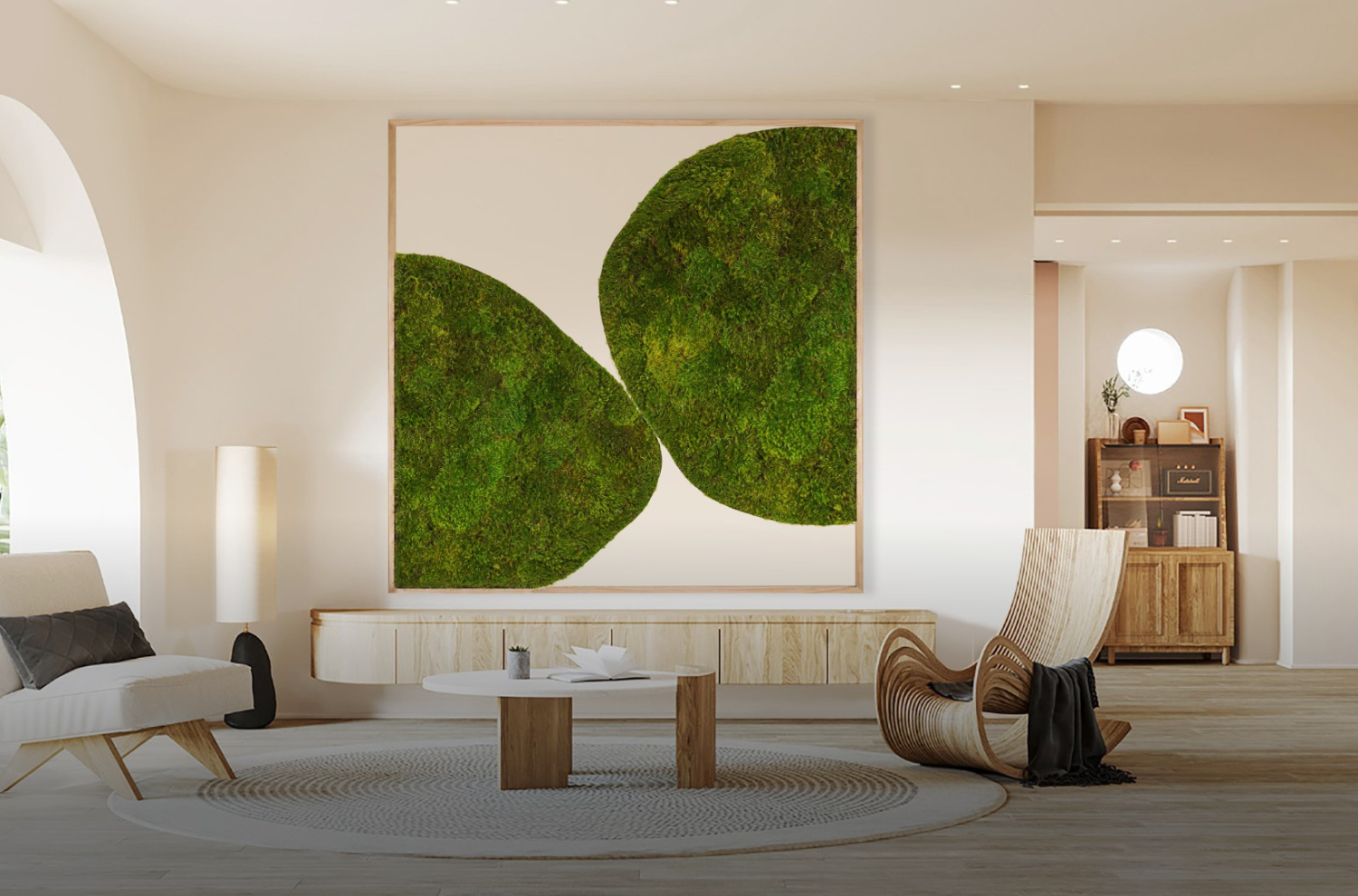
Architecture as Canvas: Buildings That Breathe and Bloom
The skyline of 2050 will be a testament to biophilic synergy, where buildings are not just structures but living organisms. Facades will be clad in phototropic panels—surfaces embedded with genetically modified plants that track the sun’s movement, their leaves unfurling in real-time to maximize photosynthesis. These vertical gardens will double as carbon sinks, their biomass sequestering CO2 while providing habitats for urban wildlife. The buildings themselves will “breathe,” their walls expanding and contracting with the rhythm of the seasons, mimicking the lungs of a forest.
Roofs will no longer be barren slabs of tar but thriving meadows, their soil layers teeming with microbial life. These “sky gardens” will support pollinator pathways, allowing bees and butterflies to navigate the urban jungle as they once did the wild. The honey produced from these rooftop hives will be a local delicacy, a tangible reward for the city’s commitment to ecological stewardship. Meanwhile, facades will host “façade farms,” where edible vines and fruit-bearing shrubs cascade down the sides of buildings, offering fresh produce to residents and passersby alike.
But the most revolutionary aspect of biophilic architecture will be its adaptability. Buildings will incorporate shape-memory alloys and biohybrid materials that respond to environmental stressors. In the event of a heatwave, facades will unfurl like the petals of a desert flower, shading interiors and reducing energy consumption. During storms, roots embedded in the foundation will absorb excess water, preventing flooding while nourishing the soil. These structures will not just stand against the elements; they will dance with them, a testament to resilience and harmony.

Art as Ecosystem: The Rise of Bio-Artists and Living Collaborations
The artist of 2050 will be less a creator and more a facilitator—a steward of life who collaborates with bacteria, fungi, and plants to co-author works that evolve over time. Bio-artists will employ CRISPR and synthetic biology to engineer organisms that produce pigments, scents, or even edible artworks. Imagine a gallery where a single bacterium, programmed to change color in response to pollution levels, creates a living barometer of environmental health. Or a sculpture grown from mycelium that, over months, decomposes into nutrient-rich soil, leaving behind only a memory of its fleeting existence.
These artists will work in tandem with ecologists, engineers, and AI systems to design installations that serve multiple functions. A public park might double as a stormwater management system, its soil layers and plantings filtering runoff while hosting art installations that change with the seasons. The distinction between art and utility will dissolve, revealing a new paradigm where creativity and sustainability are inseparable.
Education will play a crucial role in this evolution. Schools will incorporate bio-art studios where students learn to grow their own pigments from algae or program bacteria to create living patterns. The next generation will see art not as a static object but as a dynamic process—a conversation between human intention and natural agency. This shift will foster a deeper appreciation for the intricacies of life, nurturing a generation that views the world with wonder and responsibility.
The Psychological Alchemy: Healing Through Connection
Our fascination with biophilic art is not merely aesthetic; it is a psychological balm for the alienation of modern life. Studies in neuroscience will confirm what poets have long intuited: that exposure to natural forms reduces stress, enhances creativity, and fosters empathy. In 2050, biophilic art will be prescribed as therapy, its immersive qualities used to treat anxiety, depression, and even PTSD. Hospitals will feature “healing gardens” where patients interact with responsive plant installations, their growth patterns synchronized with the patient’s biometrics to induce calm.
Public spaces will be designed to counteract the sensory overload of digital life. Libraries will incorporate “silent rooms” where walls are lined with moss and ferns, their soft textures and earthy scents creating a sanctuary for the overstimulated mind. Corporate offices will install “focus pods” where employees can retreat to biophilic environments, their productivity and well-being boosted by the presence of living organisms. Even prisons will adopt biophilic design, using natural materials and greenery to reduce violence and improve mental health among inmates.
This healing power extends beyond the individual. Biophilic art will become a tool for social cohesion, its communal spaces fostering connection and dialogue. Neighborhoods will come together to tend vertical gardens, their collective labor strengthening bonds while beautifying the urban landscape. Festivals will celebrate the blooming of engineered flowers, their ephemeral beauty a reminder of the fleeting yet profound nature of existence.
The Ethical Frontier: Who Owns a Living Artwork?
As biophilic art blurs the line between creation and co-creation, ethical dilemmas will emerge. Who owns a sculpture grown from genetically modified organisms? Can a living artwork be copyrighted, or does it belong to the ecosystem that nurtures it? These questions will challenge our legal and philosophical frameworks, forcing us to reconsider the nature of ownership and creativity.
One potential solution lies in the concept of “stewardship.” Artists and institutions will not “own” living artworks but will act as caretakers, responsible for their growth and eventual decomposition. This shift will require transparency and collaboration, with artists sharing credit with the organisms they work with and the communities that support them. The goal will not be to control life but to collaborate with it, recognizing that true artistry lies in facilitating, not dominating.
Another challenge will be the commodification of biophilic art. As demand grows, corporations may seek to mass-produce living installations, prioritizing profit over ecological integrity. To counter this, certification systems will emerge, ensuring that bio-art is created with ethical sourcing, minimal environmental impact, and respect for the organisms involved. Consumers will demand transparency, seeking out art that not only beautifies but also regenerates.
The future of biophilic art is not without its shadows. The risk of unintended consequences—such as engineered organisms escaping into the wild—will require rigorous safeguards and international cooperation. Yet these challenges are not reasons to retreat but calls to innovate. They remind us that progress is not a straight line but a spiral, one that requires us to circle back, reassess, and refine our approach.
The biophilic art of 2050 will be more than a trend; it will be a revolution—a reimagining of our relationship with the natural world. It will remind us that we are not separate from nature but an integral part of its tapestry. In a world where technology often distances us from the organic, biophilic art will be a bridge, a balm, and a beacon. It will teach us to see beauty not as something to possess but as something to nurture, to protect, and to celebrate.
As we stand on the cusp of this new era, one truth becomes clear: the art of the future will not be created in isolation but in collaboration with the living world. It will be messy, unpredictable, and alive—just like the planet we call home. And in that aliveness, we will find not just inspiration but redemption.


Leave a Comment