

Venice, a city woven from the fabric of water and stone, is preparing to intertwine yet another thread into its rich tapestry: the verdant pulse of biophilic design at the Venice Biennale 2026. As the world’s artistic gaze converges upon this ethereal lagoon metropolis, the upcoming Biennale promises to be an evocative symphony where architecture dances harmoniously with nature. The 2026 edition’s centerpiece—the biophilic pavilions—heralds a transformative era where green ingenuity doesn’t just coexist with art but becomes its lifeblood.
The Emergence of Biophilic Architecture: Breathing Life into Venice’s Timeless Canals
Biophilic architecture is more than a design trend; it is a philosophy—a verdant manifesto asserting that the built environment should mirror the innate patterns and vitality of the natural world. It beckons for sensory immersion, cultivating spaces that heal and inspire through their innate connection to ecological elements. In Venice, a city with its own rhythm governed by tides and time, this philosophy resonates profoundly. The 2026 Biennale is set to transform traditional exhibition spaces into synthetic ecosystems, where walls breathe moss, roofs sway with wildflowers, and courtyards mimic the serene complexity of Venetian lagoons.
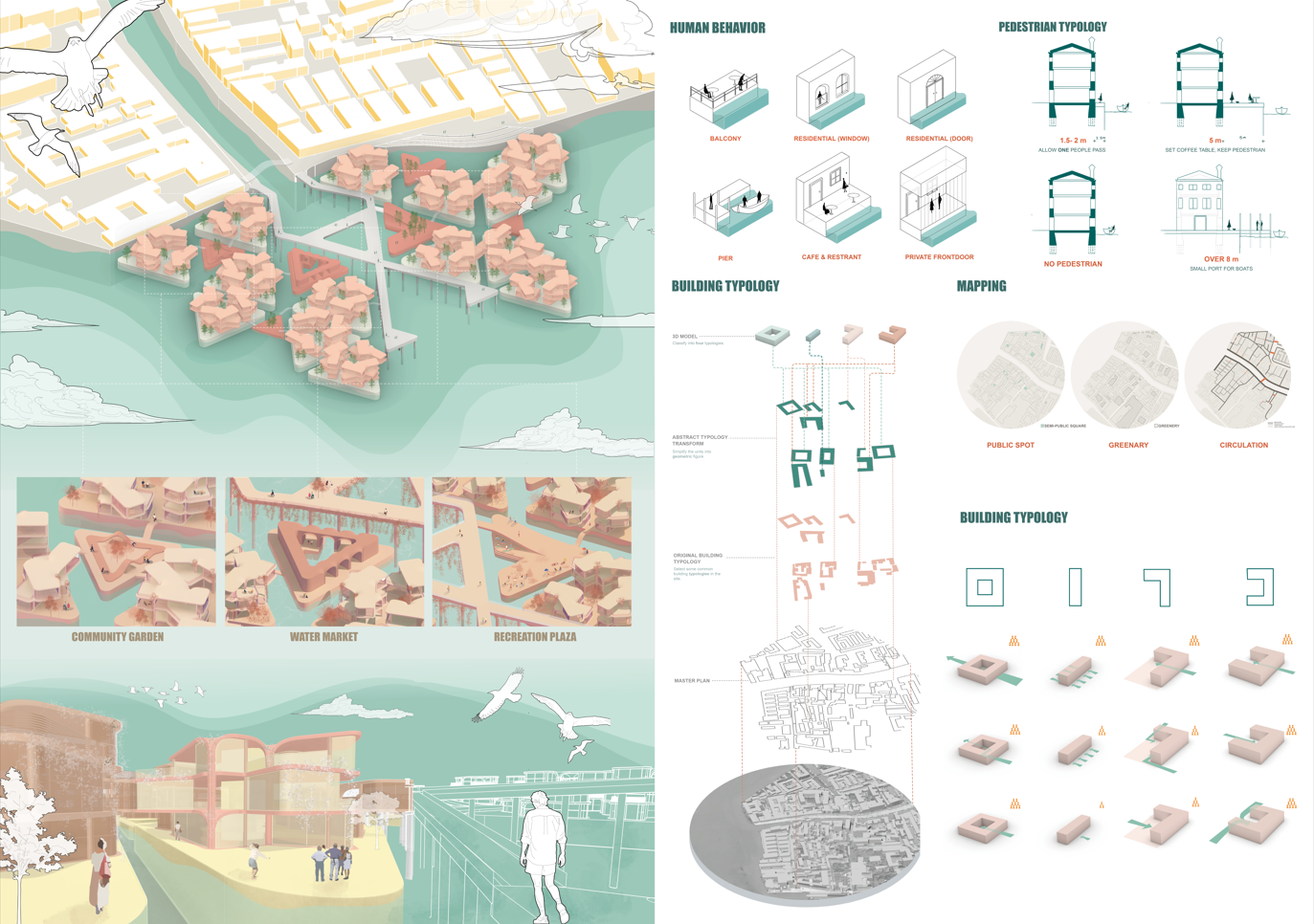
These innovative installations will serve not only as canvases but as living entities, acting as lungs for both visitors and the city itself. This fusion redefines the Biennale’s role from mere showcase to a catalyst for urban ecological renaissance.
Venice’s Biophilic Pavilions: A Gallery of Green Innovation
At the heart of this verdant revolution, the pavilions themselves become biomes—microcosms of ecological wonder. Imagine geometric lattices draped with climbing ivy, facades embedded with solar-responsive foliage, and interiors suffused with air-purifying plants. The Biophilic New Venice pavilion, for instance, epitomizes this ethos by integrating native species that thrive in the humid Mediterranean climate, creating a sensory narrative that evolves with the seasons.

This pavilion becomes a living testament to Venice’s enduring dialogue between human innovation and natural resilience. Other pavilions similarly embrace water harvesting systems, vertical gardens, and materials harvested from sustainable sources, each structure a chapter in the narrative of ecological stewardship.
Historical Echoes: The Biophilic Spirit Reawakens
The 2026 Biennale does not stand in a vacuum. It draws from the curatorial lineage that has sculpted Venice’s artistic heritage for over a century. Reflecting on the 49th Venice Biennale of 2001—a moment when themes of environmental consciousness quietly began to seep into the artistic fabric—the current transformation feels like an awakening, a flowering of ideas first seeded decades ago. Back then, pavilions were static monuments; today, they are living, breathing organisms.

This metamorphosis from inert exhibits to dynamic habitats symbolizes Venice’s inexorable shift towards sustainable futures—melding heritage with innovation in a seamless continuum.
The Unique Allure of Biophilic Design: More Than Just Green Walls
The magnetic appeal of the 2026 Biophilic Biennale lies in its multisensory evocation. Visitors will find themselves meandering through paths where the scent of wet earth mingles with art, where tactile encounters with living bark walls kindle profound contemplation. Music and movement will mimic nature’s rhythms, forging an immersive experience that transcends visual appreciation.
Unlike traditional exhibits confined within rigid frames, these pavilions blur boundaries between inside and outside, art and environment, creating a fluid spatial poetry. The ecological resilience demonstrated here is a metaphor for Venice itself—fragile yet enduring, a city perpetually reinventing itself amidst rising tides and shifting paradigms.
Ecological Impact and the Future of Sustainable Exhibitions
Beyond aesthetics and ambiance, the Biophilic Biennale presents a blueprint for sustainability in large-scale cultural events. By employing renewable materials, promoting biodiversity, and integrating passive climate control strategies, these pavilions lessen their environmental footprint while setting new benchmarks for responsible architecture. They are laboratories where science, art, and ecology converge, pioneering solutions for cities worldwide grappling with climate change.
Moreover, the Biennale amplifies awareness, inspiring stakeholders—from architects to policymakers—to prioritize environmental symbiosis in urban development. The designs showcased here ripple outwards, influencing discourse, encouraging green infrastructure, and fueling innovation within the global design community.
A Call to Witness Venice’s Green Renaissance
The Biophilic Biennale of 2026 stands not merely as an event but as a clarion call—an invitation to witness a city rediscover its roots through the tender embrace of nature. It echoes Venice’s eternal dance with water and wind, now enriched with vibrant green pulses that promise rejuvenation.
Each pavilion invites visitors into a living poem, where the architecture whispers stories of growth, renewal, and hope. As these green sanctuaries unfurl along Venice’s watery arteries, they paint a future where art and ecology are not divergent paths but intertwined destinies.
In embracing biophilia, the Venice Biennale transcends traditional exhibition boundaries, becoming a beacon for sustainable creativity and ecological consciousness. Come 2026, the city will not just host a Biennale—it will breathe it, living and thriving within a lush, green heart.


Leave a Comment