

Have you ever walked into a room and felt an inexplicable sense of calm wash over you, as if the very walls were whispering secrets of the forest? Or perhaps you’ve lingered in a space where the air hums with vitality, where every glance at a leaf-patterned cushion or a cascading vine feels like a quiet celebration of life itself. Welcome to the world of biophilic design—a philosophy that doesn’t just decorate spaces but *resurrects* them, infusing the inert with the effervescent spirit of the natural world. But what if the key to unlocking this vitality isn’t just about adding plants or mimicking nature’s hues? What if the real challenge lies in crafting a sanctuary that doesn’t just *look* alive, but *feels* alive in every fiber of its being?
Imagine stepping into an office where the morning light filters through a skylight, casting dappled shadows that dance across your desk like sunlight through a forest canopy. Picture a home where the air carries the faintest hint of pine, where the rhythm of a small indoor waterfall lulls you into a state of serene focus. This isn’t some utopian fantasy—it’s the promise of biophilic design, a movement that’s reshaping how we interact with the spaces we inhabit. Yet, as enchanting as this sounds, the path to creating such an environment is fraught with nuances. How do you balance the raw, untamed beauty of nature with the sleek precision of modern architecture? How do you ensure that the biophilic elements you introduce don’t just become decorative afterthoughts, but integral threads in the tapestry of your daily life? Let’s embark on a journey to unravel the biophilic blueprint, where every choice is a brushstroke in the masterpiece of living art.
The Alchemy of Nature and Structure: Where Biology Meets Design
Biophilic design isn’t merely about slapping a fern on a windowsill or hanging a landscape painting on the wall. It’s an alchemical process, where the raw materials of nature are transmuted into spaces that nourish the soul. At its core, this philosophy is rooted in the idea that humans have an innate, evolutionary connection to nature—a concept known as biophilia, coined by biologist E.O. Wilson. This connection isn’t just psychological; it’s physiological. Studies have shown that exposure to natural elements can lower cortisol levels, reduce stress, and even enhance cognitive function. But how do you translate this primal affinity into the cold, hard lines of a concrete jungle?
The answer lies in the delicate interplay between form and function. Take, for instance, the use of organic shapes in architecture. Instead of rigid, geometric lines, imagine walls that curve like riverbanks or ceilings that ripple like the surface of a pond. These forms aren’t just aesthetically pleasing; they subconsciously evoke the safety and comfort of natural environments. Similarly, the incorporation of natural light isn’t just about energy efficiency—it’s about mimicking the diurnal rhythms that have governed human biology for millennia. A well-placed skylight can turn a room into a solar clock, syncing your circadian rhythms with the sun’s gentle cadence.
Yet, the challenge here is one of subtlety. Too much mimicry, and you risk creating a space that feels like a theme park version of nature—a plastic forest where the trees never sway and the birds never sing. The trick is to evoke the essence of nature, not its literal representation. This is where the concept of prospect and refuge comes into play. Prospect refers to open, expansive spaces that offer a sense of safety and visibility, while refuge denotes cozy, enclosed areas where one can retreat and feel protected. A window seat overlooking a garden combines both: the prospect of the outdoors with the refuge of a snug nook. It’s this balance that transforms a house into a home and an office into a sanctuary.
The Sensory Symphony: Engaging All Five (and More) Senses
Biophilic design isn’t a visual feast alone—it’s a full-bodied experience. To truly immerse yourself in a space that feels alive, you must engage all the senses. Start with texture. The rough grain of a wooden table, the smooth coolness of a stone countertop, the velvety touch of a moss-covered wall panel—each texture tells a story of nature’s diversity. These tactile elements don’t just please the fingers; they ground us in the physical world, reminding us that we, too, are part of this intricate web of matter.
Then there’s sound. The gentle babble of a tabletop fountain, the rustle of leaves against a window, the distant call of birds—these auditory cues are like whispers from the natural world, pulling us out of the sterile silence of modern life. Even the absence of sound can be powerful; the muffled quiet of a room with thick, textured curtains can mimic the hush of a forest, offering a respite from the relentless noise of urban living.
But what about scent? The olfactory sense is the most primal of all, directly linked to memory and emotion. A hint of citrus in the air can invigorate, while the earthy aroma of a living wall can evoke the comfort of a woodland walk. Incorporating natural fragrances—whether through essential oils, fresh herbs, or even the subtle scent of untreated wood—can elevate a space from merely pleasant to profoundly evocative. And let’s not forget taste. While it’s impractical to grow a full vegetable garden in your kitchen, even a small herb planter can turn cooking into a multisensory experience, connecting you to the cycles of growth and harvest.
The real magic happens when these sensory elements converge. Picture a morning in a biophilic bedroom: the soft light filtering through linen curtains, the cool smoothness of a stone nightstand, the faint scent of lavender from a nearby diffuser, the distant murmur of a water feature. It’s not just a place to sleep—it’s a cocoon of sensory nourishment, a daily ritual of reconnection with the natural world.

The Urban Oasis: Bringing Biophilia to Concrete Jungles
For those of us tethered to city life, the idea of a biophilic sanctuary might seem like a distant dream. After all, how do you cultivate a living art space when surrounded by glass, steel, and asphalt? The answer lies in strategic integration. Vertical gardens, or living walls, are a game-changer. These lush, verdant tapestries can transform a bland office corridor into a vibrant ecosystem, purifying the air and lifting the spirits of everyone who passes by. Even in a small apartment, a vertical garden can serve as a living piece of art, a reminder that nature isn’t something you leave behind when you step into the city—it’s something you can invite in, no matter the square footage.
Another urban biophilic hack is the use of biomorphic forms—designs that echo the patterns found in nature, from the spiral of a seashell to the branching of a tree. A chair with a curved, organic silhouette or a rug with a leaf-like motif can infuse a space with the same vitality as a real plant, without the upkeep. Even the color palette plays a role. Earthy tones like terracotta, sage, and ochre can ground a room, while accents of sky blue or forest green can evoke the expansiveness of the outdoors.
But perhaps the most transformative element in an urban setting is water. The presence of water—whether in the form of a tabletop fountain, a small indoor pond, or even a mirror strategically placed to reflect light—can have a mesmerizing effect. Water is the ultimate biophilic element; it’s fluid, dynamic, and alive. The sound of trickling water can drown out the cacophony of city traffic, while the visual movement of a fountain can induce a meditative state. In a high-rise apartment, a balcony garden with a small water feature can turn a cramped outdoor space into a private retreat, a tiny slice of wilderness in the sky.
The challenge, of course, is making these elements feel intentional rather than tacked-on. The key is to treat biophilic design as a holistic practice, not a checklist. Every plant, every texture, every scent should serve a purpose, whether it’s to calm the mind, stimulate creativity, or simply remind you that you’re part of something larger than yourself. In the city, where nature is often reduced to a postage stamp of green in a sea of gray, biophilic design becomes an act of rebellion—a defiant celebration of life in all its messy, vibrant glory.
The Future of Living Art: Where Technology Meets the Wild
As we hurtle toward a future where smart homes and sustainable living are no longer luxuries but necessities, biophilic design is evolving in fascinating ways. Enter biofeedback design, a cutting-edge approach that uses technology to create spaces that respond to our physiological needs in real time. Imagine a wall that subtly changes color based on your mood, or a ventilation system that adjusts airflow to mimic the gentle breeze of a forest. These innovations aren’t just about convenience—they’re about deepening our connection to the spaces we inhabit, making them feel more alive, more responsive, and more attuned to our well-being.
Another frontier is the integration of edible landscapes. Rooftop gardens that double as communal farms, kitchen countertops lined with herb gardens, or even walls embedded with vertical hydroponic systems—these aren’t just decorative elements; they’re a direct link to the cycles of growth and sustenance. In a world where food miles and carbon footprints are growing concerns, an edible biophilic space becomes a radical act of self-sufficiency and environmental stewardship.
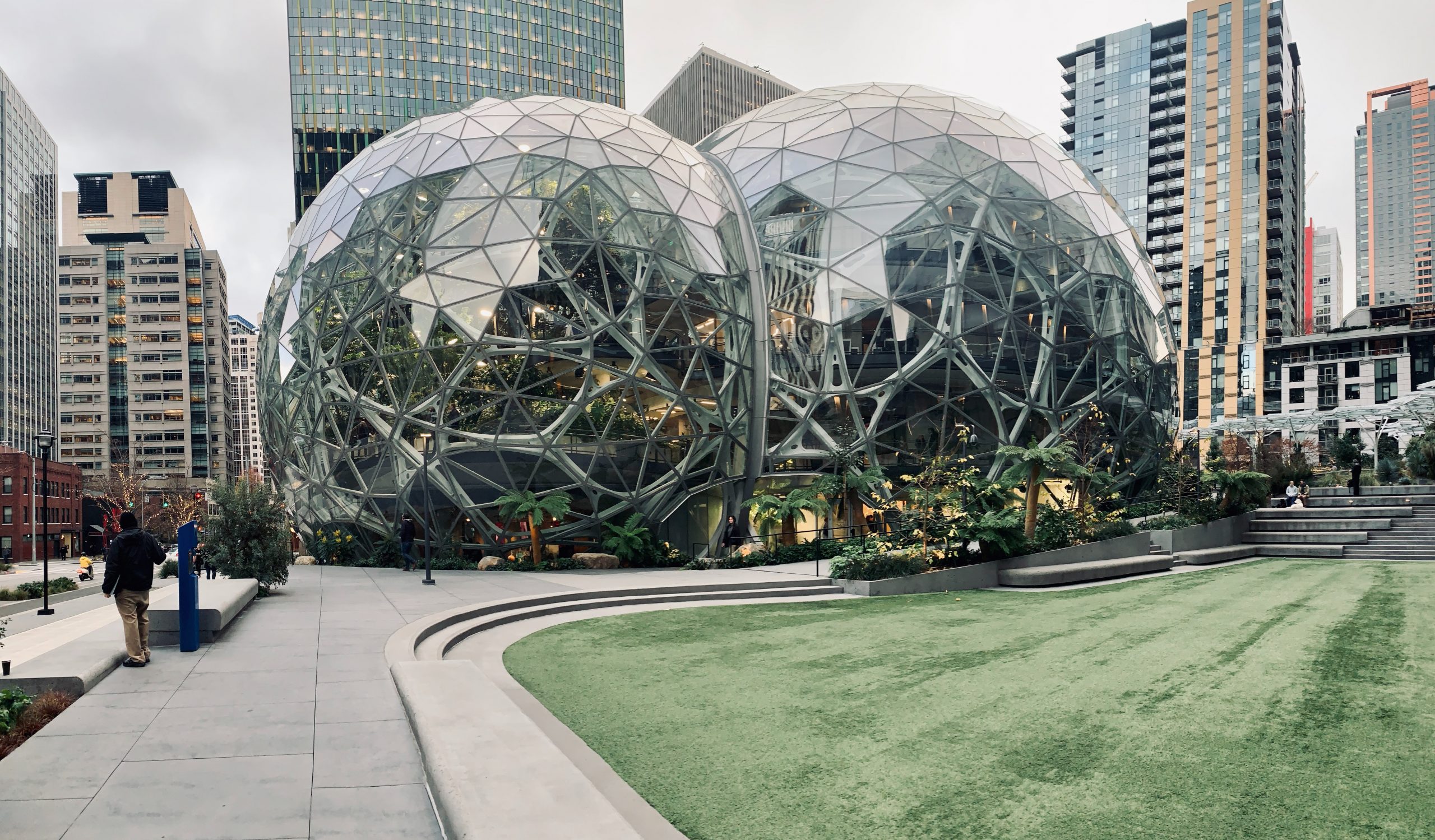
But perhaps the most exciting development is the rise of biophilic urbanism—the idea that entire cities can be designed with nature at their core. From Singapore’s “City in a Garden” initiative to Milan’s vertical forest towers, urban planners are recognizing that biophilic design isn’t just a luxury for the privileged few; it’s a necessity for the health and happiness of all. These projects prove that even in the densest metropolises, it’s possible to weave nature back into the fabric of daily life, creating spaces that are not just functional but alive.
The challenge, of course, lies in scalability. How do you ensure that biophilic design doesn’t become a trend reserved for the elite, but a universal right? The answer may lie in education and advocacy—teaching people how to incorporate these principles into their homes, workplaces, and communities, one small step at a time. It’s about recognizing that biophilia isn’t just a design choice; it’s a cultural shift, a return to our roots in the most literal sense.
So, as you stand on the precipice of your next design project—whether it’s a cozy apartment nook or a sprawling corporate headquarters—ask yourself this: What if the spaces you create weren’t just places to exist, but places to thrive? What if every wall, every surface, every breath of air carried the whisper of the wild? The biophilic blueprint isn’t just a set of rules; it’s an invitation to reimagine the world around you, to turn the mundane into the magnificent, and to design a life that’s not just lived, but celebrated in all its vibrant, living art.


Leave a Comment