

Is it possible that the art hanging on your wall could do more than just please your eyes? Could it also purify the air you breathe and rejuvenate your weary spirit? This playful thought might sound like the stuff of fantasy, but welcome to the vibrant realm of biophilic art, where creativity intertwines with nature to transform indoor spaces into sanctuaries for both body and soul. Yet, as this biophilic boom gathers momentum, it poses a fascinating challenge: how can we balance aesthetic allure, environmental functionality, and emotional wellbeing in the art that adorns our modern habitats?
The Emergence of Biophilic Art: More Than Decoration
In an age when urbanization tethers us to concrete jungles and digital interfaces, a craving to reconnect with nature has sparked a powerful new movement in design—biophilic art. This trend taps into an ancient, almost primal, human affinity for natural forms and ecosystems. But biophilic art transcends the mere representation of leaves or landscapes. It invites living elements into our environments, forming a symbiotic relationship where art and nature blur seamlessly.
Imagine a lush moss garden suspended elegantly from your ceiling, its verdant tendrils breathing life into the stale air. This is not a static installation but a dynamic organism that filters airborne toxins, humidifies the atmosphere, and exudes the subtle fragrances of an untouched forest. Such creations, both intricate and organic, serve as living sculptures, invigorating indoor spaces plagued by sterility and ennui.
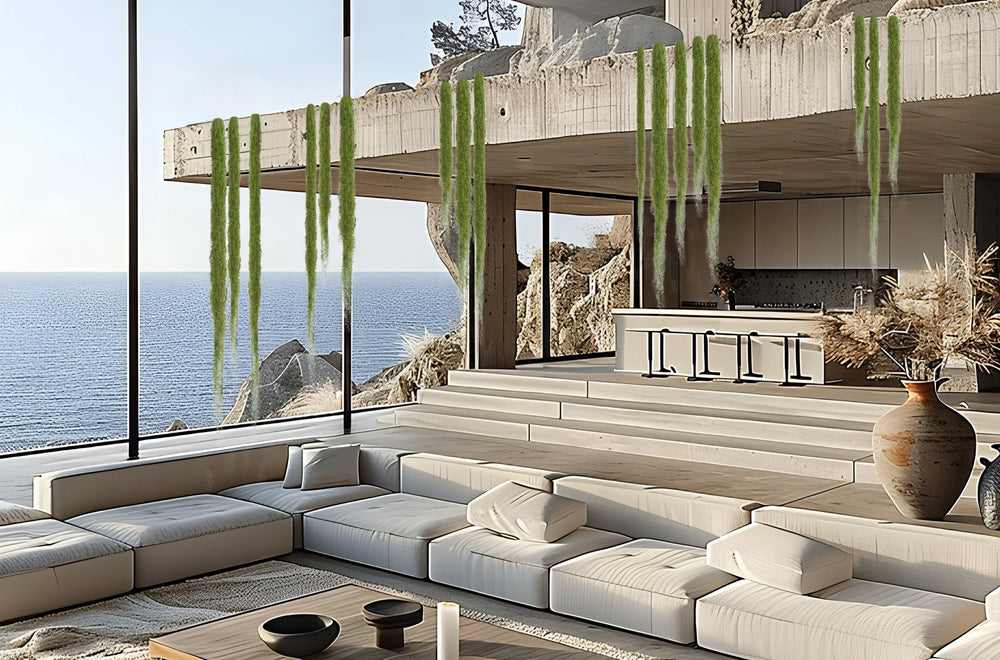
The Science Behind Living Art: Air Quality and Mental Clarity
What if art did more than inspire? What if it physically enhanced the environment? Living biophilic installations often incorporate mosses, ferns, and other plants renowned for their air-purifying prowess. These natural purifiers absorb volatile organic compounds, reduce carbon dioxide concentrations, and regulate humidity levels, creating an oasis in spaces otherwise starved of fresh air.
Yet, the benefits extend beyond physiological health. Exposure to biophilic art triggers emotional and cognitive rejuvenation. The gentle greens and organic textures soothe the nervous system, reducing stress hormones while promoting a sense of tranquility and mental clarity. This dual action of cleansing air and calming the psyche casts biophilic art as a veritable panacea for modern malaise—from urban stress to seasonal affective disorder.
Integrating Biophilia in Futuristic Urban Landscapes
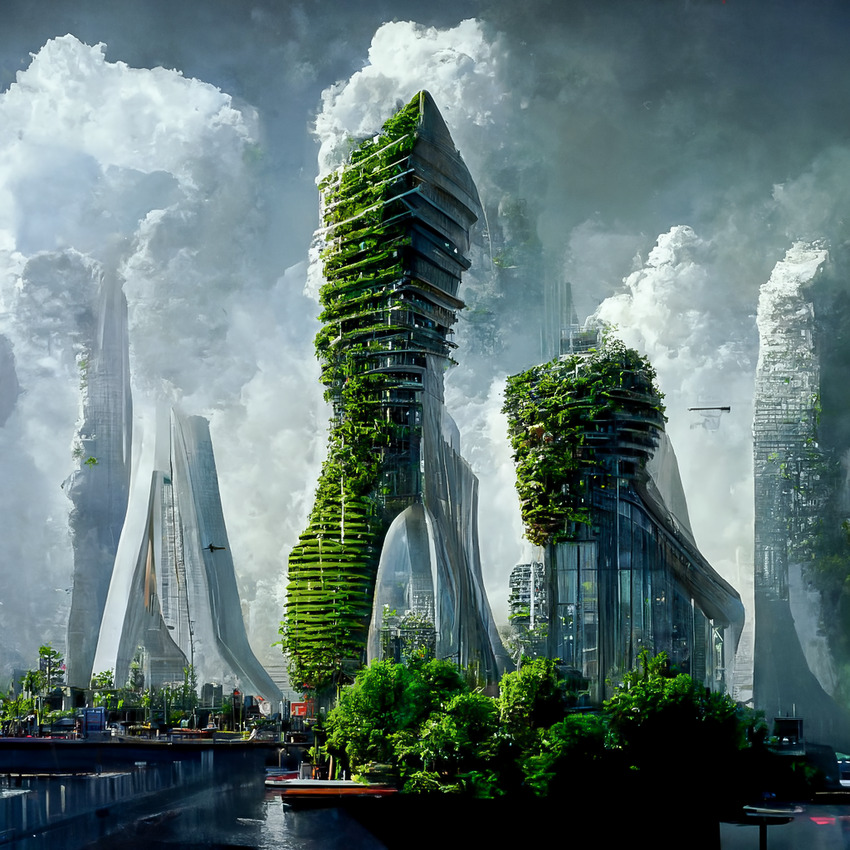
But how does this earthy phenomenon scale beyond our living rooms? Visionaries in architecture and urban planning are weaving biophilic principles into the fabric of tomorrow’s cities. The skyline of the future gleams not only with glass and steel but with vibrant vertical gardens and hanging ecosystems that purify, cool, and enliven urban air.
Such biophilic skyscrapers, imagined through the lens of artificial intelligence and sustainable design, epitomize the marriage of nature and technology. Imagine clouds of green spiraling upward, their dense foliage filtering pollutants far above the street level, while inhabitants relish in spaces where natural light, airflow, and live plants converge in architectural harmony.
Creative Approaches: From Concept to Living Installation
The challenge of biophilic art lies not only in the selection of lush botanicals but also in the imaginative curation that respects both natural growth patterns and visual impact. Artists and designers are pioneering new forms, combining moss walls, terrariums, and air-purifying sculptures with contemporary aesthetics and smart technology.
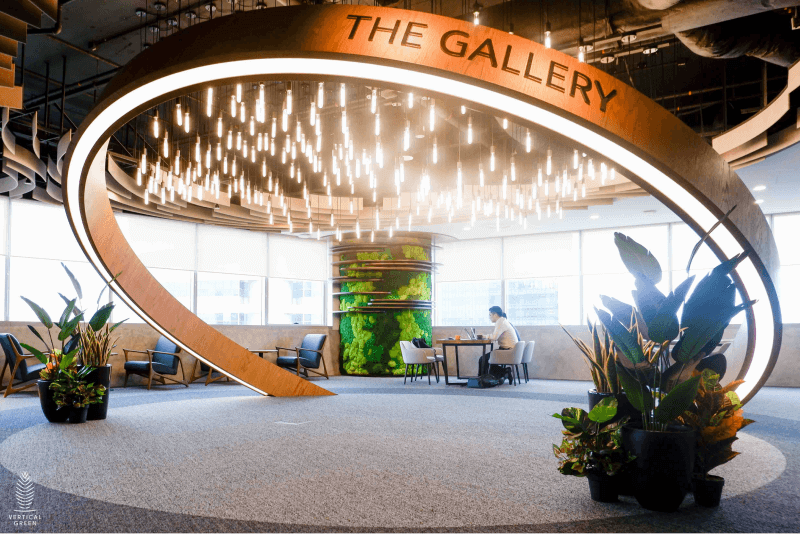
These playful, innovative installations invite interaction and engagement. For example, modular moss panels can be reconfigured to suit evolving tastes or rooms. Other designs incorporate subtle lighting and sensor technology, further heightening the sensory experience while ensuring optimal plant health.
Challenges on the Horizon: Maintenance and Sustainability
Despite the dazzling potential of biophilic art, the journey is not without potholes. Living installations demand a level of care and attention often alien to traditional art ownership. From watering cycles to pest management and light provision, maintaining a thriving piece of biophilic art can require commitment.
Moreover, the materials sourced and cultivation methods employed must align with sustainability values. Sourcing native plants, using recycled or biodegradable materials, and employing water-efficient systems shape the environmental footprint of biophilic artworks. The true artistry lies not only in visual appeal but in ecological mindfulness.
Envisioning a New Sensory Paradigm
Will biophilic art redefine how we perceive indoor aesthetics? The evidence suggests a yes. As these organic installations infiltrate offices, cafés, and homes, they herald a shift toward a multi-sensory art experience—one that speaks to sight, smell, touch, and even air quality. It’s a holistic embrace of nature’s restorative powers within the urbanized human sphere.
Imagine returning to an apartment where the walls themselves breathe, where every inhale deepens your vitality and every glance kindles a sense of interconnectedness. This is the biophilic promise: art that cleans not only your air but also your soul.
In an increasingly detached, synthetic world, biophilic art offers a verdant lifeline. It beckons us to question, to reimagine, and to embrace creativity that heals and sustains. As this burgeoning movement continues to unfold, one might wonder—how will you invite life, light, and liberation into your space?


Leave a Comment