

In the high-stakes world of solo exhibitions, where every brushstroke and sculpted curve carries the weight of artistic ambition, one silent killer lurks in the shadows: cash flow miscalculation. Artists pour their souls into their work, yet many find their dreams crumbling not because of creative failure, but financial hemorrhage. The difference between a triumphant vernissage and a financial fiasco often hinges on a single, overlooked tool: the cash flow spreadsheet. This isn’t just another tedious Excel chore—it’s the lifeline that transforms artistic vision into sustainable reality. Imagine a document so powerful it can predict your exhibition’s financial future before the first canvas is hung. That document exists. Let’s explore how mastering this spreadsheet can turn your solo show from a precarious gamble into a calculated masterpiece of financial stewardship.
The Silent Saboteur: Why Solo Exhibitions Collapse Without Cash Flow Clarity
Every year, brilliant artists launch solo exhibitions that vanish into obscurity—not because their work lacked merit, but because their financial planning was as haphazard as a drunken curator’s opening speech. The culprit? A fundamental misunderstanding of cash flow dynamics. Unlike group shows where costs are distributed, solo exhibitions demand 100% financial responsibility from the artist. Renting a gallery space, printing catalogs, shipping artwork, hosting opening night receptions—each expense hits like a tidal wave when unplanned. The most insidious aspect? These costs don’t arrive simultaneously. They trickle in like a slow leak in a sinking ship, with gallery deposits due months before ticket sales materialize. Without a cash flow spreadsheet acting as your financial sextant, you’re navigating blindfolded through a storm of unpredictable expenses. The spreadsheet becomes your early warning system, flagging potential shortfalls before they become catastrophic. It’s not about restricting creativity—it’s about ensuring your artistic vision survives long enough to be seen.
From Chaos to Control: How Spreadsheets Transform Financial Frenzy
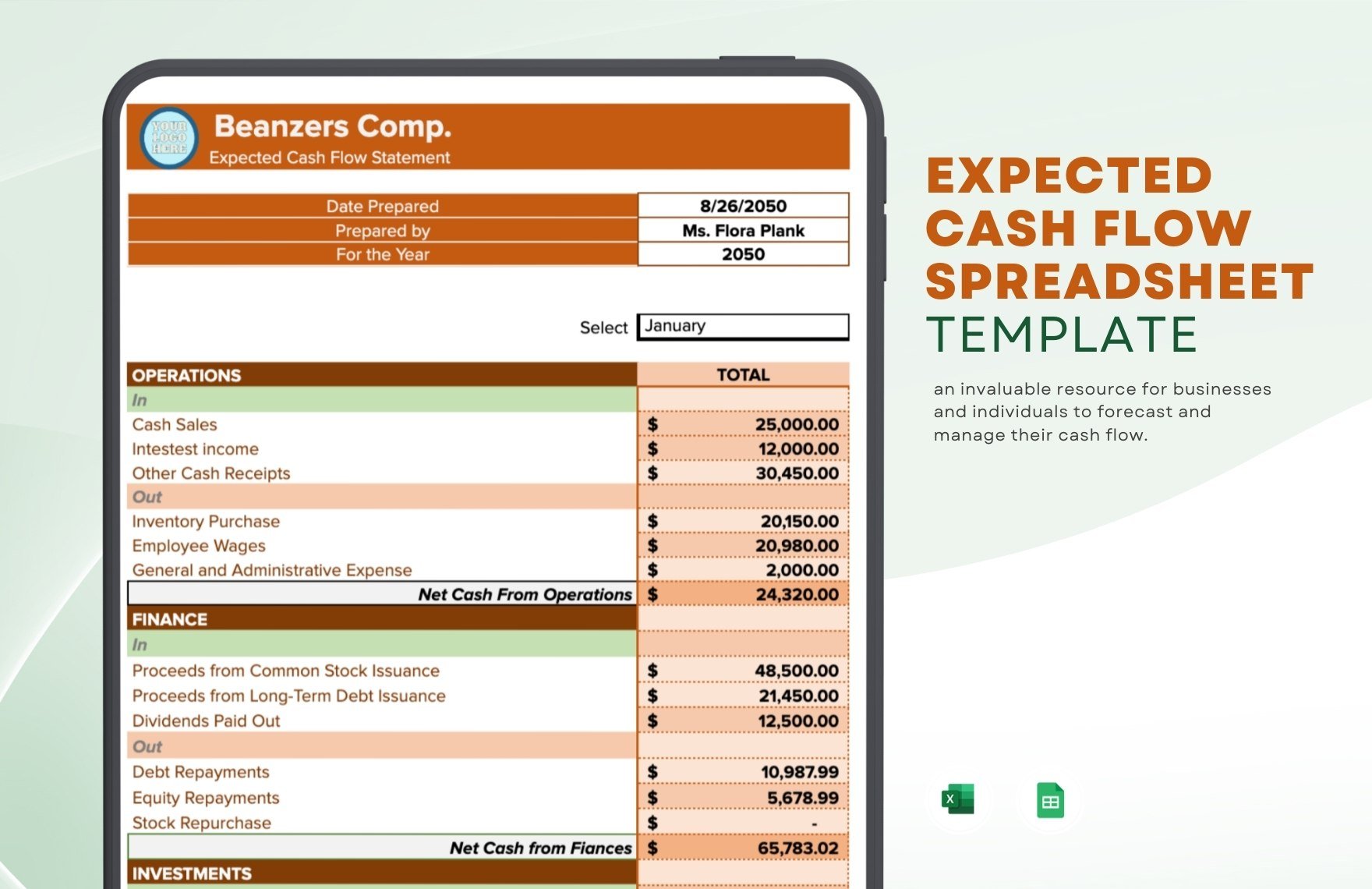
Picture this: three months before your exhibition, your spreadsheet reveals a $2,000 shortfall in the printing budget. Panic sets in—until you realize you can negotiate a 30% discount by paying early, or perhaps switch to digital catalogs for the first print run. This is the magic of cash flow spreadsheets: they don’t just record history; they illuminate future possibilities. The spreadsheet becomes your financial crystal ball, revealing not just where money is going, but where it might go. It forces you to confront uncomfortable truths: that opening night reception you dreamed of might require corporate sponsorship, or that shipping costs could devour your entire marketing budget. More importantly, it transforms reactive panic into proactive strategy. Instead of scrambling for funds when the gallery demands payment, you’ve already identified alternative revenue streams—perhaps a pre-exhibition workshop series or limited-edition prints available for pre-sale. The spreadsheet doesn’t just track cash flow; it creates financial resilience where none existed before.
The Three Pillars of Exhibition Cash Flow Mastery
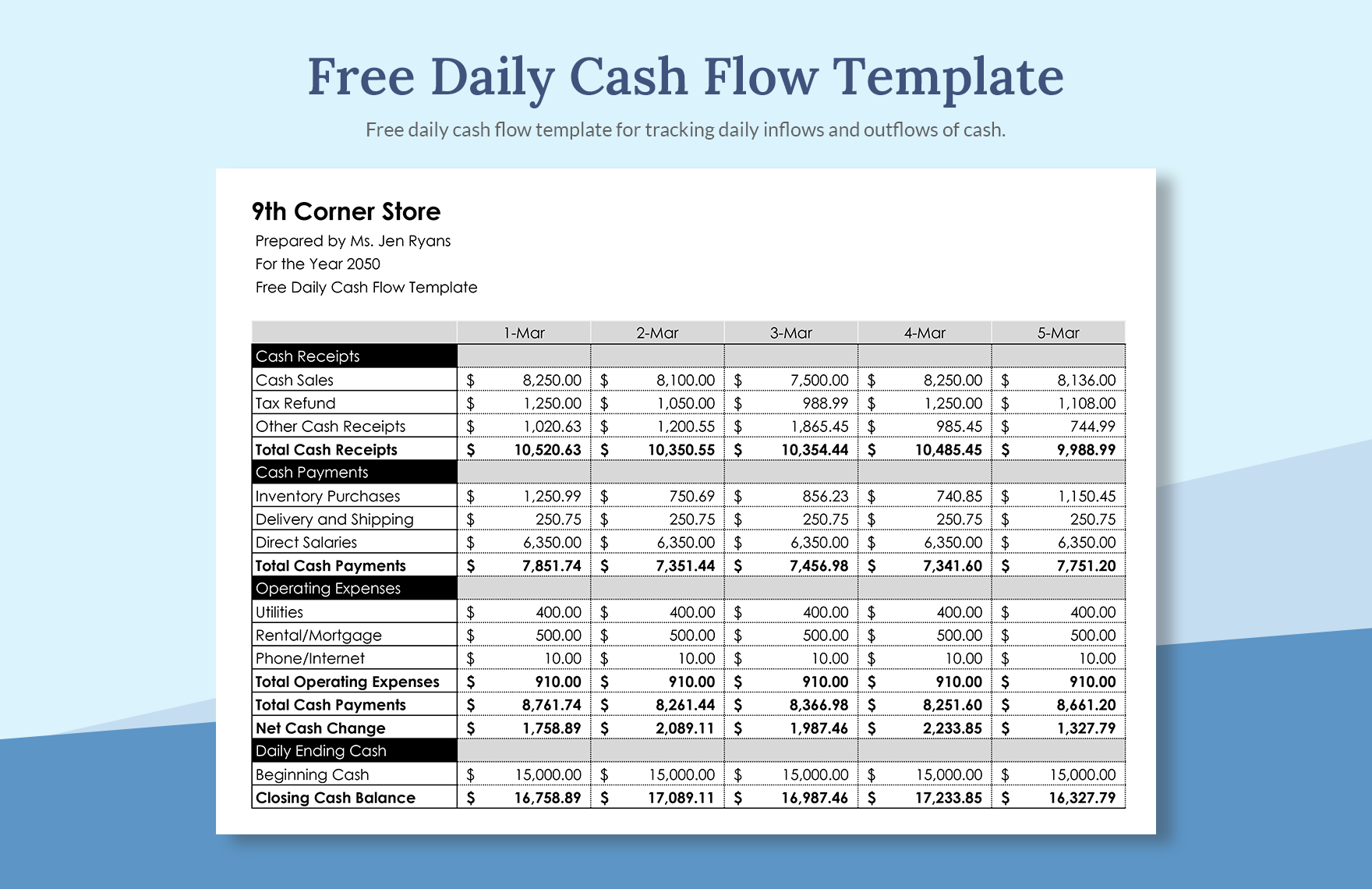
Not all cash flow spreadsheets are created equal. The most effective ones rest on three unshakable pillars: anticipation, categorization, and adaptation. Anticipation means mapping every possible expense and revenue source months in advance, from gallery rental fees to artist talk honorariums. Categorization requires ruthless honesty about what’s essential versus what’s aspirational—do you really need that champagne fountain, or would a signature cocktail suffice? Adaptation demands regular spreadsheet reviews, where you adjust projections based on real-world data. Perhaps your ticket sales are lagging, but your online print sales are surging. The spreadsheet becomes your financial dashboard, where every metric tells a story. This systematic approach eliminates the guesswork that dooms so many solo exhibitions. It turns financial management from a dreaded chore into a creative challenge—one where you’re not just tracking numbers, but strategically sculpting your exhibition’s financial destiny.
Breaking the Myth: Spreadsheets Aren’t Just for Accountants
There’s a pervasive myth that cash flow spreadsheets belong in the domain of number-crunching professionals, not creative souls. This couldn’t be further from the truth. The most successful artists treat their spreadsheets like artistic collaborators—tools that help refine their vision rather than constrain it. Consider the sculptor who uses her spreadsheet to calculate how many smaller, affordable pieces she can create alongside her centerpiece, ensuring steady income throughout the exhibition period. Or the painter who realizes his opening night reception budget could fund a local influencer’s visit, generating social media buzz that far exceeds traditional advertising. The spreadsheet becomes a creative partner, revealing opportunities that might otherwise remain hidden. It’s not about surrendering artistic freedom to spreadsheets; it’s about using financial clarity to make bolder, more informed creative decisions. The spreadsheet doesn’t limit your artistry—it amplifies its potential to thrive in the real world.
Real-World Alchemy: Turning Spreadsheet Data into Exhibition Gold
Let’s examine how one artist transformed her spreadsheet from a financial straightjacket into a revenue-generating powerhouse. Initially, her exhibition budget showed a $5,000 deficit, primarily due to shipping costs for her large-scale installations. The spreadsheet’s “what-if” analysis revealed that by reducing the installation size by 20% and adding a virtual reality component, she could cut shipping expenses by 40% while increasing ticket prices for the immersive experience. She also discovered that her projected gallery rental fee could be offset by hosting a paid artist residency during the exhibition. The result? Not only did she eliminate the deficit, but her exhibition generated $8,000 in additional revenue from workshops and print sales—all identified through careful spreadsheet analysis. This is the alchemy of cash flow mastery: turning potential disaster into unexpected prosperity through data-driven decisions.
The Psychology of Financial Preparedness: Why Artists Need Spreadsheets More Than Ever
Beyond the practical benefits, there’s a psychological revolution that occurs when artists embrace cash flow spreadsheets. Financial anxiety is the silent companion of every creative professional, whispering doubts about sustainability and worth. The spreadsheet becomes an antidote to this anxiety, replacing vague fears with concrete plans. When you can see exactly how your exhibition will fund itself, the creative process becomes liberated from financial stress. This psychological shift is profound: suddenly, you’re not just creating art for the sake of art—you’re building a sustainable practice where creativity and financial health coexist. The spreadsheet transforms from a mundane tool into a symbol of artistic empowerment, a tangible proof that your work has value beyond the studio walls.
Your Exhibition’s Financial Future Starts Today
The choice is stark: continue gambling on your artistic dreams with financial blind spots, or embrace the cash flow spreadsheet as your exhibition’s guardian angel. This isn’t about turning artists into accountants—it’s about equipping creative visionaries with the tools to make their visions financially viable. The spreadsheet is your rehearsal space for financial success, where you can experiment with budgets, test pricing strategies, and refine your revenue model before committing to the real-world chaos of exhibition planning. It’s the difference between hoping for the best and knowing you’ve done everything possible to ensure your solo show doesn’t just survive, but thrives. The next time you stand before a blank canvas or a block of uncarved stone, remember: your financial spreadsheet is already waiting, ready to transform your artistic ambition from fragile dream into unshakable reality. The question isn’t whether you can afford to create this spreadsheet—it’s whether you can afford not to.


Leave a Comment