

What if the key to untangling the climate crisis isn’t more policies, more technology, or even greater activism—but something far simpler, yet profoundly elusive: radical honesty? In a world saturated with polished narratives, half-truths, and carefully curated facts, could the Chaoticist’s answer be to embrace unembellished transparency as a catalyst for transforming our environmental future? This proposition challenges us to reconsider our collective discourse and to confront the uncomfortable realities that underpin climate change without deflection or denial. Let’s plunge into this audacious perspective and explore how honesty, in its rawest form, might just be the disruptive force needed to galvanize true change.
Understanding the Climate Crisis Beyond Conventional Narratives
The climate crisis is often portrayed through a binary lens: good versus evil, progress versus destruction, science versus denial. Yet, this reductionist storytelling glosses over the intricate web of ecological, political, and socioeconomic factors that drive environmental degradation. By accepting the narratives force-fed by media and governments, society can inadvertently slip into complacency, distraction, or despair.
Here lies the first gesture of the Chaoticist’s approach: to shatter these neat tidings and replace them with an unvarnished account of where we stand. This isn’t about doom-mongering; rather, it’s about excavating deeper truths from the rubble of obfuscation. The acknowledgment that the crisis is neither simple nor solvable by singular fixes invites a more nuanced and honest conversation, one free from platitudes and infused with realism.
The Power and Pitfall of Radical Honesty
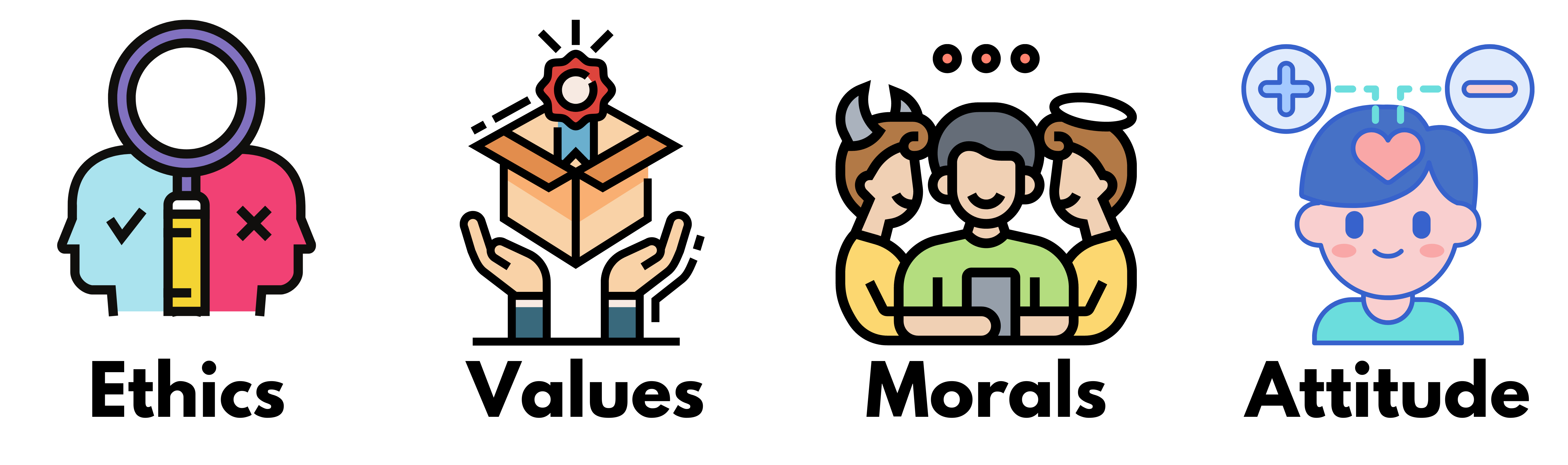
Radical honesty demands full disclosure—transparent data, incontrovertible facts, and the courage to reveal inconvenient truths, even when they unsettle or dishearten. It is a clarion call against doublethink and cognitive dissonance, urging society to hold two conflicting realities at once: the urgent need for drastic change and the resistance embedded in cultural, economic, and psychological systems.
However, honesty wielded without empathy or strategy risks alienation. The chaotic nature of such truth-telling can polarize audiences, possibly breeding fatalism or nihilism instead of constructive engagement. Thus, the Chaoticist must balance stark realism with hope, framing honesty not as an endpoint but as a provocative starting line for action.
Nature’s Radical Honesty as a Guide
Look to nature’s own ethos for inspiration. It operates without guile—what you see is what you get. This uncompromising straightforwardness in ecological systems teaches resilience and balance. There is no pretense in a predator’s hunt or a tree’s shedding of leaves. Such radical honesty in natural processes can inform human behavior, urging transparency in resource use, consumption, and environmental impact.

By adopting this ethos, environmental discourse becomes less a battle of opinions and more a shared acknowledgment of facts. Transparency then translates into accountability, compelling industries, governments, and citizens alike to confront their roles without deflections.
Confronting Moral Ambiguity and Ethical Complexity
Honesty also demands grappling with the moral ambiguities that pervade the climate crisis. Solutions often entail trade-offs and unintended consequences. For instance, transitioning to clean energy might disrupt communities reliant on fossil fuels, exacerbating social inequalities. Acknowledging these difficult truths openly breaks the simplistic narrative of “good vs. bad” and pushes us to devise multifaceted strategies that are equitable and sustainable.
By detailing these ethical intricacies without obfuscation, society gains a more grounded understanding of the crisis. This transparency fosters trust and can galvanize diverse stakeholders to collaborate on pragmatic, context-sensitive solutions instead of retreating into ideological echo chambers.

The Role of Playful Inquiry in Embracing Honesty
The Chaoticist’s method isn’t somber; it thrives on curiosity and the willingness to question assumptions—playfully dismantling accepted wisdom to expose underlying contradictions. Posing playful questions like, “What if our discomfort with climate truth stems from the stories we don’t dare tell ourselves?” invites introspection and collective dialogue.
This approach lightens the heavy burden of climate discourse, encouraging creativity and openness rather than guilt or paralysis. It creates space for unexpected insights and innovative solutions born from thinking “outside the box,” or sometimes, smashing the box altogether.
The Imperative of Collective Radical Honesty in Climate Action
Finally, embracing radical honesty must be a collective endeavor. Disparate voices—from scientists and activists to policymakers and everyday citizens—must intersect openly and vulnerably. It means dismantling performative environmentalism and committing to genuine transparency in reporting progress, setbacks, and uncertainties.
This collective honesty can fuel social momentum, transforming abstract data into palpable narratives that inspire accountable action. It builds resilience against misinformation and cynicism, grounding hope not in myth but in shared reality.
Ultimately, the Chaoticist’s answer to the climate crisis propels us to embrace the complexity, discomfort, and liberating power of honesty. In an era rife with uncertainty, this radical transparency may prove the most audacious and effective catalyst for change. Could it be, then, that the chaotic dance of truth—unpredictable yet invigorating—is exactly what our planet’s future needs?


Leave a Comment