

There is an inexplicable allure to gardens that defy order. Where blossoms erupt in joyous anarchy and foliage tangles with an impish sense of freedom. Such is the phenomenon of the chaoticist’s garden: an enthralling ballet of wild and unruly floral pop, a space where nature’s caprice is celebrated rather than tamed. At first glance, these gardens might seem like mere neglect or rebellion, but their deeper charm lies in a profound resonance with our innate craving for spontaneity and unrestrained beauty.
The Magnetic Pull of Disorder
Why do so many find themselves irresistibly drawn to a garden where roses don’t adhere to neat rows, and where vines climb erratically in defiance of trellises? The appeal of these untamed landscapes is anchored in a psychological interplay between control and release. Within the meticulous boundaries of traditional gardens, there is comfort and predictability. Yet, the chaoticist’s garden offers an adventurous escape: an immersive encounter with the sublime unpredictability of life.
Such gardens mirror the organic rhythms of the natural world, reminding us of the fluidity of existence and the beauty that thrives in imperfection. Their visual cacophony is, paradoxically, a source of calm. Observers lose themselves in the riotous palette of flora, succumbing to a sense of wonder and renewal. This magnetic pull is more than aesthetics; it is a psychological balm in an increasingly structured and artificial age.
Floral Anarchy: The Palette of Wildness
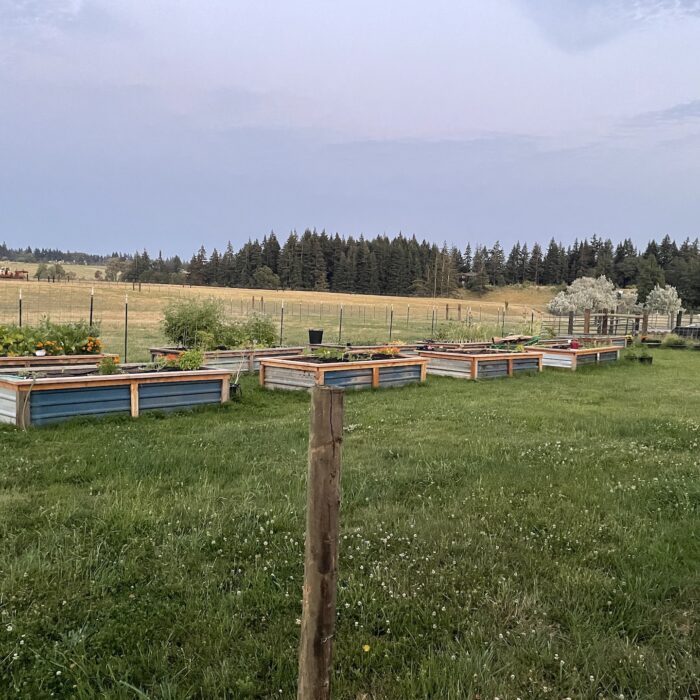
In chaoticist gardens, the traditional constraints of gardening’s color wheel are gleefully dismantled. Blooms appear in exuberant juxtaposition — fiery reds twine with soft lilacs, mustard yellows flirt with deep indigos. This uncurated melange is not random but a deliberate invocation of floral anarchy, encouraging the senses to revel in unexpected pairings and impulsive growth patterns.
The linguistic term “pop” gains new vitality here: these blooming bursts punctuate the greenery with shock and delight. They captivate the eye, creating visual punctuations that resist monotony. The hyper-awareness of such contrasts can sharpen sensory perception, heightening appreciation for nature’s complexity.
The Garden as a Living Narrative

The chaoticist’s garden is less a static display and more a living narrative — a story unfolding unpredictably across seasons and years. Each plant narrates its own saga of survival, seeding success, and symbiotic partnerships. The gardener plays the role of a facilitator, rather than a dictator, allowing flora to interweave organically.
This narrative approach establishes dynamic visual poetry, moving away from symmetry toward storytelling through texture, height, and density. The result is a garden with a soul — a palimpsest of botanical histories overlapping and intertwining, inviting exploration and interpretation. Visitors can trace this organic storyline, each encounter leaving an imprint of wonder and curiosity.
Embracing the Unruly: A Subtle Rebellion
Embedded in the chaoticist’s garden is a subtle but profound act of rebellion. Against rigid horticultural traditions, against urban conformity, and even against societal expectations of orderliness, these gardens serve as a verdant declaration of freedom. They challenge the notion that beauty rests solely within neat borders and manicured edges.
The chaotic garden reclaims a space for natural disorder, urging us to reconsider our relationship with nature and design. In doing so, it aligns with broader cultural currents favoring authenticity and spontaneity over polished facades. This reclamation is deeply satisfying, galvanizing a renewed respect for the unpredictable and imperfect aspects of life.
Wildness as Fertile Ground for Creativity
The dynamic interplay between wild flora and human intentionality excites creative expression. The chaoticist’s garden is not an abdication of responsibility but an invitation to co-author with nature’s whimsy. Gardeners find inspiration in the unexpected seeds that sprout and flourish, in the persistent weeds that refuse to be subdued, and in the chromatic explosions that defy predictability.
Such gardens become crucibles for innovation and experimentation — spaces to test new planting combinations, to observe adaptive growth, and to fine-tune a tactile dialogue with the earth. The wildness fosters an openness that is itself a form of creativity, enriching the gardener’s worldview and their connection to the natural environment.
Conclusion: Celebrating the Chaos Within
The chaoticist’s garden embodies an intoxicating paradox: it is a controlled space that celebrates the uncontrolled, a deliberate design steeped in spontaneity. Its wild and unruly floral pop enchants us because it speaks to something ancestral — the human longing to break free from constraints and embrace the vitality of unpredictable growth.
In these gardens, chaos is not just disorder; it is a creative force, a source of emotional resonance and aesthetic exhilaration. They remind us that sometimes, the greatest beauty is found not in perfection, but in the dazzling riot of life’s natural exuberance. To step into such a garden is to step into a celebration of freedom — a vivid, living poem penned by the hand of nature herself.


Leave a Comment