

The artist’s studio is a living organism—pulsing with creativity, cluttered with half-finished canvases, and humming with the quiet chaos of creation. It’s a sanctuary where inspiration strikes like lightning, yet it’s also a battleground where discarded tubes of paint and crumpled sketches wage war against order. For the chaoticist—the artist who thrives in the whirlwind of creative disarray—sustainability isn’t just a buzzword; it’s a lifeline. It’s the art of taming the tempest without stifling the fire. This guide is your compass through the labyrinth of eco-conscious studio practices, where every brushstroke, every scrap of material, and every decision carries the weight of responsibility. Welcome to the art of sustainable studio alchemy.
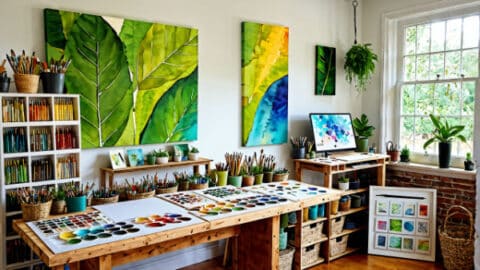
The Studio as an Ecosystem: Where Creativity Meets Stewardship
Imagine your studio not as a static workspace but as a dynamic ecosystem—a microcosm where every element, from the air you breathe to the pigments you grind, plays a role in a delicate balance. The chaoticist’s studio is a symphony of controlled chaos, where the hum of a ventilation fan harmonizes with the scratch of a pencil on paper. But this ecosystem doesn’t exist in isolation. It’s tethered to the broader world, and every choice you make ripples outward. A tube of cadmium red, for instance, isn’t just a tool; it’s a story of mining, energy consumption, and potential toxicity. Sustainability begins with recognizing that your studio is a node in a vast, interconnected web. To nurture it, you must first understand its place in the grand tapestry of the planet’s health.
Start by auditing your space like a scientist studying a fragile habitat. What materials are you using? Where do they come from? How are they disposed of? The answers might surprise you. Many conventional art supplies are laced with volatile organic compounds (VOCs), microplastics, or heavy metals that leach into the environment. Even the humble sketchbook, often taken for granted, carries the footprint of deforestation if it’s made from virgin paper. The chaoticist’s first act of rebellion isn’t against order—it’s against ignorance. By swapping out harmful materials for their eco-friendly counterparts, you’re not just cleaning up your studio; you’re cleansing your conscience.
The Alchemy of Materials: Turning Waste into Wonder
In the hands of a true chaoticist, nothing is truly waste—only raw material awaiting transformation. This is the essence of sustainable alchemy: the art of repurposing, reclaiming, and reinventing. Consider the detritus of your creative process—the coffee-stained sketch, the dried-up paint tubes, the scraps of canvas. These aren’t failures; they’re invitations. A crumpled piece of paper can become the substrate for a mixed-media collage. Old paint tubes, once emptied, can be refilled with homemade, non-toxic alternatives. Even the water from your brushes, cloudy with pigment, can be filtered and reused for cleaning or thinning paints.
But alchemy isn’t just about repurposing; it’s about intention. Before you discard something, ask: Can this serve another purpose? Can it be composted, recycled, or gifted to another artist? The chaoticist’s studio is a laboratory of second chances, where every object has the potential to be reborn. Embrace the philosophy of upcycling—the art of elevating discarded materials into something of greater value. A wooden palette, scarred by years of use, can be sanded and varnished into a rustic shelf. A jar of dried brushes can become a quirky pencil holder. This isn’t just sustainability; it’s a celebration of resourcefulness.

Energy and Air: The Invisible Currents of Your Studio
If your studio is an ecosystem, then energy and air are its lifeblood. The chaoticist must be as mindful of these invisible forces as they are of the tangible materials at their fingertips. Lighting, for instance, is more than a practical necessity; it’s a mood-setter, a timekeeper, and a silent collaborator in your creative process. Swapping out incandescent bulbs for LED or natural light isn’t just about saving electricity—it’s about aligning your workspace with the rhythms of the sun. Position your easel near a window to harness the golden hour’s glow, and let the changing light guide your work’s evolution. Even the color of your walls can influence your energy consumption; pale hues reflect light, reducing the need for artificial illumination.
But energy isn’t just about what you consume; it’s about how you conserve. Unplug chargers, turn off equipment when not in use, and invest in smart power strips that cut phantom energy drain. Consider the lifecycle of your tools, too. A high-quality brush, cared for properly, can last decades—far longer than its disposable counterparts. The chaoticist’s studio is a temple of efficiency, where every watt and every breath is accounted for. Ventilation, often overlooked, is another critical element. VOCs from paints, solvents, and adhesives can linger in the air, posing health risks. A simple air purifier or an open window can transform your studio from a toxic chamber into a breathable sanctuary. Think of it as aerating a garden—sometimes, you need to let the fresh air in to clear out the old.
The Psychology of Order: Why Chaos and Sustainability Aren’t Mutually Exclusive
To the outside world, the chaoticist’s studio might look like a hurricane aftermath—a whirlwind of papers, half-finished projects, and misplaced tools. But within this apparent disorder lies a hidden order, a system that only the artist can decipher. Sustainability, in this context, isn’t about imposing rigid structure; it’s about finding harmony within the chaos. The key is to create systems that work with your creative process, not against it.
Start by designating zones within your studio. One area for active projects, another for materials, and a third for tools. Use clear containers or labeled bins to corral supplies—this way, you can find what you need without tearing the studio apart. Digital tools can also help. Apps like Trello or Notion can track your projects, deadlines, and material inventory, reducing the mental clutter that comes with juggling multiple ideas. But don’t mistake organization for rigidity. The chaoticist thrives on spontaneity. The goal isn’t to eliminate mess but to make it functional. A scattered workspace can be a sign of a fertile mind—one that’s constantly evolving and adapting.
Sustainability, in this sense, becomes a form of self-care. A clean, well-organized studio isn’t just easier to work in; it’s a reflection of your respect for your craft and your environment. It’s a reminder that even in the throes of creation, you’re still a steward of your space. The chaoticist doesn’t fear mess—they master it.
The Ethical Palette: Choosing Supplies with Intention
Every artist’s palette is a declaration of values. The colors you choose, the brands you support, and the materials you use all tell a story. For the eco-conscious chaoticist, this story must be one of responsibility. Traditional art supplies often come with hidden costs—environmental degradation, exploitative labor practices, and health hazards. But the market is evolving, and today, there are more sustainable alternatives than ever before.
Paints, for instance, can be a minefield. Many conventional oil and acrylic paints contain synthetic pigments derived from petroleum, heavy metals, or other toxic compounds. Look for brands that use natural, non-toxic ingredients, such as water-based acrylics, plant-based oils, or milk paints. Watercolors can be made from earth pigments, and inks can be derived from soy or algae. Even the humble pencil can be a statement—opt for those made from sustainably sourced wood or recycled materials. Brushes, too, have a footprint. Synthetic bristles often contain nylon, a petroleum-based plastic, while natural hair brushes (like those made from squirrel or boar) can be more eco-friendly but may raise ethical concerns about animal welfare. Seek out brands that prioritize fair trade, cruelty-free, and biodegradable options.
But sustainability isn’t just about the materials you bring into your studio; it’s about the ones you keep out. Avoid single-use plastics, disposable tools, and products with excessive packaging. Choose refillable containers, bulk purchases, and brands that offer take-back programs for old materials. The chaoticist’s palette is a living document—one that grows and changes with your values. By curating it with intention, you’re not just creating art; you’re creating a legacy.
The Legacy of Less: Why Sustainable Practices Outlast the Trend
In a world obsessed with the new and the novel, sustainability is often dismissed as a passing fad. But for the chaoticist, it’s a timeless philosophy—a way of working that transcends trends and speaks to the heart of what it means to create. Sustainable studio practices aren’t about deprivation; they’re about enrichment. They’re about choosing quality over quantity, intention over impulse, and legacy over convenience.
The chaoticist understands that every brushstroke, every sketch, and every material choice is a vote for the kind of world they want to live in. It’s a quiet rebellion against the throwaway culture that dominates modern life. By embracing sustainability, you’re not just reducing your environmental impact; you’re redefining what it means to be an artist. You’re proving that creativity and responsibility can coexist. That chaos and care aren’t mutually exclusive. That your studio can be both a haven for your muse and a sanctuary for the planet.
So let your studio be a testament to the power of mindful creation. Let it be a place where waste is minimized, energy is conserved, and materials are revered. Let it be a space where the act of making art is as sacred as the art itself. The chaoticist’s guide to sustainable studio practices isn’t a rulebook—it’s an invitation. An invitation to create not just with your hands, but with your heart. To build not just a studio, but a legacy. And to leave behind a world that’s a little greener, a little cleaner, and a lot more beautiful than you found it.


Leave a Comment