

Imagine a sound that doesn’t just begin and end, but stretches into infinity—an unbroken thread of tone that weaves through the air like liquid gold. This is the realm of circular breathing, a technique that transforms the didgeridoo from a simple wooden instrument into a portal of endless sonic possibility. But here’s the twist: the same principle that unlocks the didgeridoo’s hypnotic drones can also revolutionize your approach to the saxophone, or any wind instrument for that matter. Whether you’re a didgeridoo devotee or a saxophonist chasing the holy grail of uninterrupted phrasing, mastering circular breathing promises a seismic shift in how you perceive sound, rhythm, and even the very act of playing itself.
Picture this: you’re mid-solo on a tenor sax, your fingers dancing across the keys, your lungs burning with the effort of sustaining a long, soaring note. Then—disaster. The air runs out. The note cracks. The spell shatters. Now, contrast that with the effortless, otherworldly sustain of a didgeridoo player who never seems to take a breath. What if you could bridge that gap? What if you could make your saxophone sing like a didgeridoo—long, deep, and unbroken? Circular breathing isn’t just a trick; it’s a paradigm shift. It’s the difference between playing notes and sculpting time itself.

The Alchemy of Air: How Circular Breathing Works
At its core, circular breathing is a sleight of breath—a way to trick your body into believing it’s inhaling while still expelling air through your instrument. It’s not magic, though it might seem like it when you first hear those endless, undulating tones. The technique relies on a delicate balance between the diaphragm, cheeks, and throat, creating a closed-loop system where air is recycled through the instrument without interruption.
For didgeridoo players, this is second nature. The instrument’s drone-based nature demands sustained airflow, making circular breathing almost a prerequisite. But for saxophonists, it’s a game-changer. The saxophone, with its reed and precise air requirements, seems like an unlikely candidate for this technique. Yet, with practice, the same principles apply. The key lies in mastering the “breath reserve”—a pocket of air stored in your cheeks that you use to keep the sound going while you discreetly inhale through your nose. It’s a bit like juggling: your lungs handle the long-term supply, while your cheeks become a temporary reservoir, ensuring the music never falters.
But why stop at the saxophone? Flutists, clarinetists, even vocalists can adapt circular breathing to their craft. The technique is a universal language of endurance, turning the act of playing from a series of breaths into a single, unbroken exhalation. It’s not just about playing longer notes; it’s about redefining what a note can be.
The Didgeridoo Advantage: Why It’s the Ultimate Training Ground
If you’re serious about mastering circular breathing, the didgeridoo is your best teacher. Its deep, resonant drone forces you to engage your diaphragm fully, training your lungs to handle sustained pressure. The didgeridoo’s lack of valves or keys means you’re not distracted by fingerings—just you, the instrument, and the unrelenting demand for air. This simplicity is deceptive. It strips away the complexity of other instruments, leaving only the raw mechanics of breath control.
Didgeridoo players often describe circular breathing as a meditative practice. The drone becomes a focal point, a sound that anchors the mind while the body learns to operate on autopilot. This mental discipline is invaluable for any musician. When you can sustain a note indefinitely, you’re no longer bound by the tyranny of the breath. You become the conductor of time, dictating when the music pauses and when it flows.

Moreover, the didgeridoo’s overtone-rich sound trains your ear to hear subtle shifts in pitch and timbre. As you practice circular breathing, you’ll start to notice how small adjustments in tongue position or lip tension can alter the drone’s character. This heightened awareness translates directly to the saxophone, where nuanced control over tone and dynamics is everything. The didgeridoo doesn’t just teach you to breathe; it teaches you to listen.
Breaking the Saxophone’s Limits: Circular Breathing for Wind Players
For saxophonists, circular breathing is a revelation. The saxophone’s reliance on precise air pressure makes it a challenging but rewarding instrument to adapt this technique to. The first hurdle is overcoming the instinct to pause between phrases. Saxophonists are conditioned to breathe at the end of every musical sentence, a habit that can feel ingrained. Circular breathing forces you to confront that habit head-on.
The process begins with isolating the breath reserve. Sit in front of a mirror, play a long note, and gently puff your cheeks while maintaining the sound. It’s awkward at first—your face might look like a pufferfish, and the sound might wobble—but persistence is key. Start with short bursts, then gradually increase the duration. The goal isn’t perfection on day one; it’s about retraining your muscle memory to accept this new way of breathing.
Once you’ve got the basics down, apply the technique to scales and arpeggios. Play a C major scale, for example, and try to circular breathe between each note. It’s a humbling exercise. You’ll likely find that your tone becomes less stable, your pitch wavers, or your fingers fumble. That’s normal. Circular breathing isn’t just about sustaining a single note; it’s about integrating it into your playing style. As you refine the technique, you’ll start to hear your saxophone in a new light—less like a series of notes and more like a continuous stream of sound.
Advanced saxophonists can take this further by incorporating circular breathing into improvisation. Imagine a solo that never breaks, where your ideas flow seamlessly from one to the next without the interruption of a breath. It’s a liberating feeling, like shedding a physical constraint. Jazz, in particular, thrives on this kind of fluidity. The ability to sustain a phrase indefinitely opens up new avenues for melodic exploration, allowing you to weave complex ideas without the fear of running out of air.
The Science Behind the Magic: Breath, Brain, and Flow State
Circular breathing isn’t just a party trick—it’s a neurological and physiological marvel. When you master the technique, you’re not just controlling your breath; you’re hacking your brain’s perception of time and effort. Studies on flow states, those moments of deep immersion where time seems to dissolve, show that they’re often triggered by activities that require intense focus and physical coordination. Circular breathing fits this description perfectly.
From a physiological standpoint, the technique engages the parasympathetic nervous system, slowing your heart rate and reducing stress. The deep, rhythmic breathing associated with circular practice can lower blood pressure and improve lung capacity over time. It’s a form of biofeedback, where your body learns to regulate itself more efficiently. For musicians, this means less fatigue during long performances and a greater ability to stay present in the moment.
But the real magic happens in the brain. When you circular breathe, you’re essentially creating a feedback loop between your breath and your playing. The steady drone of the didgeridoo or the saxophone acts as an auditory anchor, synchronizing your movements with your breath. This synchronization can induce a trance-like state, where the boundaries between player and instrument blur. It’s a profound experience—one that transcends mere technique and taps into the spiritual essence of music.
From Practice Room to Stage: Integrating Circular Breathing into Your Sound
Mastering circular breathing in the practice room is one thing; wielding it on stage is another. The transition requires confidence, not just in the technique itself, but in your ability to use it musically. Start by incorporating short, controlled phrases into your repertoire. Play a melody, circular breathe for a few beats, then return to normal breathing. This builds your comfort level without overwhelming your audience—or yourself.
As you gain confidence, experiment with longer sustains. Try playing a ballad and holding a single note for an entire chorus, using circular breathing to keep the sound alive. The effect is mesmerizing, drawing listeners into a hypnotic trance. For didgeridoo players, this is second nature, but for saxophonists, it’s a revelation. The saxophone’s ability to mimic vocal inflections makes it uniquely suited to this kind of sustained expression. Imagine a tenor sax solo that feels like a human voice singing an endless, wordless aria.
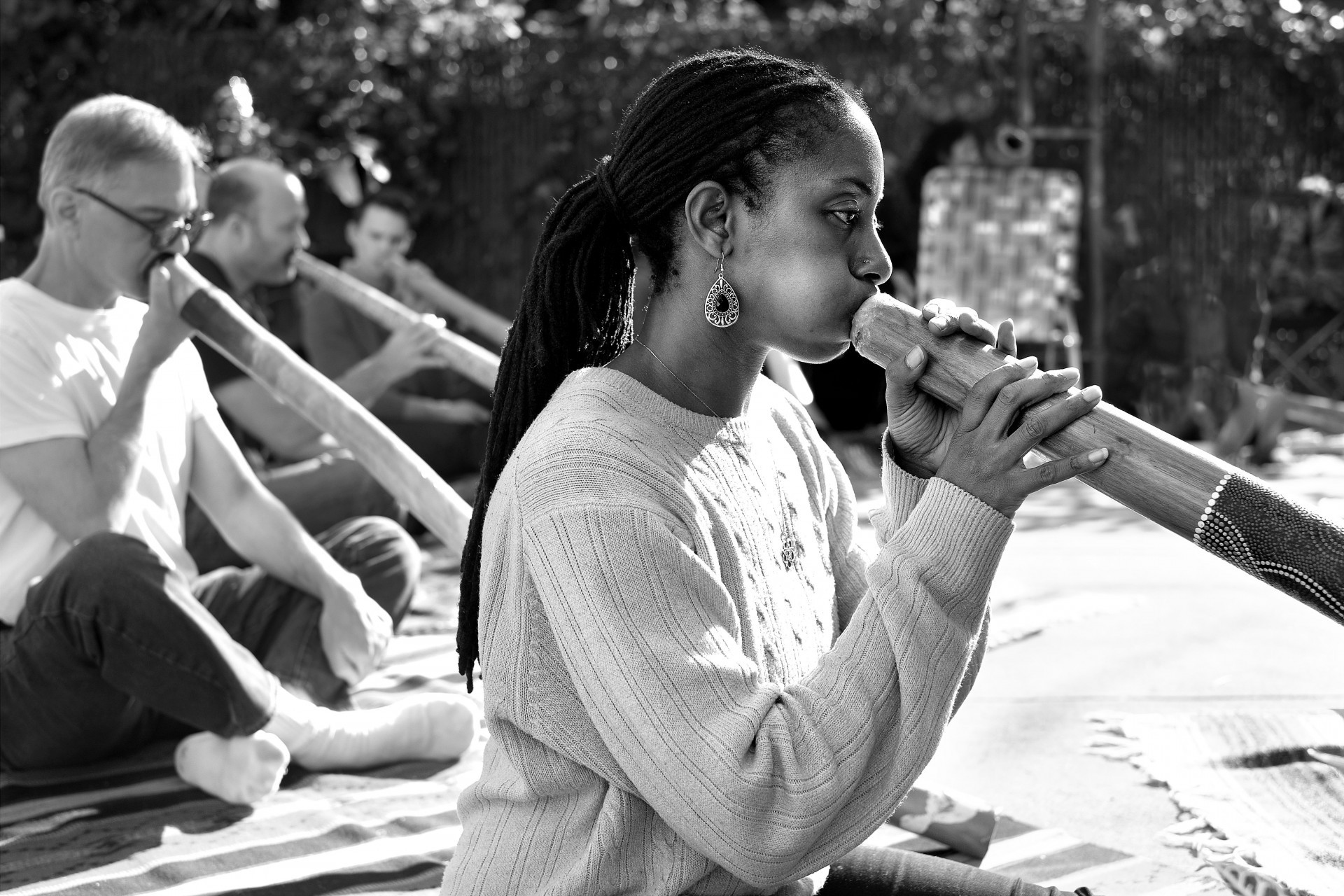
For ensemble players, circular breathing can be a game-changer in group settings. Imagine a jazz combo where the saxophonist never takes a breath during a solo, creating an unbroken line that weaves through the rhythm section. Or a didgeridoo player in a world music ensemble, layering endless drones that form the harmonic foundation. The technique adds a layer of sophistication to your playing, making you stand out in a crowded musical landscape.
The Journey Ahead: Patience, Persistence, and the Infinite Note
Circular breathing is not a skill you’ll master overnight. It demands patience, persistence, and a willingness to embrace discomfort. Your cheeks will ache. Your lungs will burn. Your ego will resist the awkwardness of it all. But here’s the secret: every musician who has ever achieved this technique started exactly where you are now. The difference between them and you? They kept going.
Start small. Practice for five minutes a day, focusing on the mechanics before worrying about musicality. Use a drone or a metronome to keep your rhythm steady. Record yourself and listen for inconsistencies in tone or pitch. Over time, your body will adapt, and the technique will feel less like a struggle and more like second nature.
As you progress, don’t be afraid to push your limits. Try circular breathing while walking, or while playing a complex piece. The goal isn’t just to sustain a note; it’s to integrate the technique into your musical identity. When you finally achieve that first truly seamless sustain, you’ll understand why this practice is so revered. It’s not just about playing longer notes—it’s about unlocking a new dimension of musical expression.
So take a deep breath. Ready your instrument. The journey to the infinite note begins now.


Leave a Comment