

The Commedia dell’Arte, a theatrical tradition born in 16th-century Italy, was not merely a form of entertainment—it was a cultural revolution. Its stock characters, or *tipi fissi*, were not just figures on a stage; they were the DNA of modern comedy. These archetypes, with their exaggerated personalities and predictable foibles, laid the foundation for every sitcom character we’ve ever laughed with (or at). From the scheming servant to the lovestruck fool, the Commedia dell’Arte’s legacy is woven into the fabric of television humor, proving that some stories are timeless. Today, we peel back the layers of this theatrical goldmine to reveal how these ancient characters still dictate the rhythms of your favorite comedies.
The Magnificent Seven: Core Archetypes and Their Sitcom Descendants
The Commedia dell’Arte thrived on a cast of seven primary archetypes, each designed to elicit specific emotional responses from the audience. The *Magnifico*, the pompous and often clueless nobleman, is the prototype for every sitcom boss who micromanages while failing to grasp the simplest tasks. Think of the bumbling authority figures in *The Office* or *Parks and Recreation*—their inflated egos and obliviousness are straight out of the Magnifico’s playbook. Then there’s the *Capitano*, the braggart soldier whose bluster masks his cowardice, a template for characters like Barney Stinson in *How I Met Your Mother* or the swaggering but spineless males in countless rom-coms.
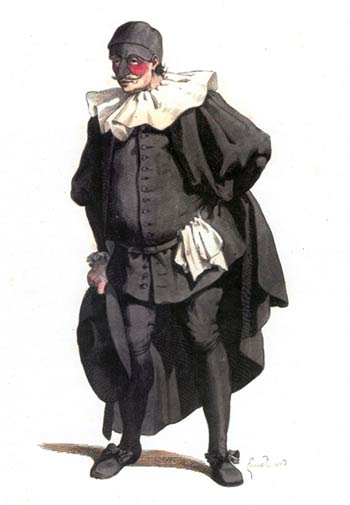
The *Pantalone*, a miserly old merchant, is the ancestor of every stingy father or penny-pinching landlord in sitcoms. His obsession with wealth and status mirrors modern characters like Frank Gallagher from *Shameless* or even Mr. Burns from *The Simpsons*. Meanwhile, the *Dottore*, a pompous academic who spouts nonsense, foreshadows the pretentious know-it-all in shows like *Community* or *30 Rock*. These archetypes weren’t just characters; they were psychological blueprints, designed to reflect the absurdities of human nature in a way that transcended time and culture.
Servants and Schemers: The Tricksters Who Rule Modern Comedy
No sitcom is complete without a trickster—someone who outsmarts the powerful while exposing their flaws. In the Commedia dell’Arte, the *Arlecchino* (or Harlequin) was the nimble, mischievous servant who danced through chaos with a grin. His modern counterparts are legion: from the quick-witted Barney Fife in *The Andy Griffith Show* to the cunning Leslie Winkle in *The Big Bang Theory*. These characters thrive on their ability to manipulate situations, often serving as the audience’s proxy in poking fun at authority. Then there’s the *Brighella*, a more cynical and opportunistic servant, who prefigures the morally ambiguous antiheroes of shows like *Breaking Bad* or *Succession*. His charm lies in his willingness to play both sides, a trait that makes him endlessly entertaining.
The trickster’s role is not just to cause trouble but to reveal the hypocrisy of the world around them. In *Fleabag*, the unnamed protagonist’s internal monologues and fourth-wall breaks are a direct descendant of the Arlecchino’s playful subversion. These characters remind us that comedy often thrives on disruption, and the best sitcoms are those that let their tricksters run wild.
The Lover’s Dilemma: Romance and Its Comedic Discontents
Love, in the Commedia dell’Arte, was never a straightforward affair. The *Innamorati*, the young lovers, were often naive and melodramatic, their emotions exaggerated for comedic effect. This archetype lives on in the form of the lovestruck fool, whether it’s Ross Geller’s relentless pursuit of Rachel in *Friends* or Jim’s puppy-dog eyes for Pam in *The Office*. Their antics highlight the absurdity of romantic idealism, a theme that sitcoms have mined for decades. Then there’s the *Colombina*, the clever and independent maid who often outwits her employers. Her modern incarnations include the sharp-tongued Mindy Lahiri in *The Mindy Project* or the resourceful Leslie Knope in *Parks and Recreation*. These characters prove that love isn’t just about grand gestures—it’s about wit, resilience, and a healthy dose of sarcasm.
The Commedia dell’Arte’s approach to romance was never sentimental. Instead, it used love as a lens to explore human folly, a tradition that sitcoms have embraced wholeheartedly. Whether it’s the on-again, off-again relationships in *New Girl* or the chaotic courtship in *Brooklyn Nine-Nine*, the lover’s dilemma remains a cornerstone of comedic storytelling.

Physical Comedy and the Art of Exaggeration
The Commedia dell’Arte was as much about movement as it was about dialogue. Its characters relied on slapstick, acrobatics, and exaggerated gestures to convey emotion and humor. This physicality is the backbone of modern sitcoms, from the pratfalls of Lucille Ball in *I Love Lucy* to the chaotic energy of *It’s Always Sunny in Philadelphia*. The *Zanni*, or clownish servants, were masters of physical comedy, their antics a precursor to the likes of Kramer in *Seinfeld* or Charlie Harper in *Two and a Half Men*. Even the way these characters moved—jerky, exaggerated, almost cartoonish—mirrors the pacing of today’s most beloved comedies.
Physical comedy isn’t just about falling or tripping; it’s about timing, rhythm, and the absurdity of the human body. Shows like *The IT Crowd* and *Community* use exaggerated movements to highlight the ridiculousness of their characters’ situations. The Commedia dell’Arte understood this instinctively: humor is visceral, and the body is its greatest instrument.
Satire and Social Commentary: The Subversive Heart of Commedia
Beneath the laughter, the Commedia dell’Arte was a sharp critique of society. Its characters embodied the flaws and hypocrisies of their time, from the greed of the nobility to the pretensions of the educated elite. This tradition of satire lives on in modern sitcoms, which use humor to expose the absurdities of contemporary life. *Veep*, for example, skewers political corruption with the same ferocity as the Commedia’s lampooning of the elite. *South Park* takes this further, using its characters to parody everything from religion to pop culture with unflinching honesty.
The beauty of the Commedia dell’Arte’s satire is its universality. Whether it’s mocking the vanity of the *Dottore* or the cowardice of the *Capitano*, the archetypes serve as mirrors to our own flaws. Sitcoms that embrace this subversive spirit—like *Arrested Development* or *It’s Always Sunny in Philadelphia*—aren’t just funny; they’re revelatory. They force us to confront the ridiculousness of the world we live in, all while laughing at its absurdity.
The Mask of Modernity: How Archetypes Evolve (But Never Disappear)
One of the most fascinating aspects of the Commedia dell’Arte’s legacy is how its archetypes have adapted to modern storytelling. The *Magnifico* isn’t just a pompous nobleman anymore; he’s a tech CEO who thinks he’s a visionary (see: *Silicon Valley*). The *Pantalone* has evolved into the miserly billionaire, while the *Arlecchino* has become the lovable rogue with a heart of gold (think: *Deadpool* or *The Good Place*). These characters haven’t disappeared; they’ve simply shed their masks to reveal new layers of complexity.
This evolution is a testament to the Commedia dell’Arte’s enduring power. Its archetypes are not rigid templates but flexible frameworks that can be reshaped to fit any era. The trick, as modern sitcoms have discovered, is to honor the essence of these characters while giving them room to surprise us. Whether it’s the unexpected depth of *Ted Lasso*’s Coach Beard or the chaotic charm of *Schitt’s Creek*’s David Rose, the Commedia dell’Arte’s spirit lives on in every character who dares to be larger than life.
The Commedia dell’Arte was never just about laughter; it was about truth. Its characters were exaggerated, yes, but they were also reflections of humanity in all its messy, ridiculous glory. Sitcoms have inherited this mission, using humor to explore the human condition in ways that are both entertaining and profound. So the next time you laugh at a sitcom character’s antics, remember: you’re not just watching a joke. You’re witnessing a tradition that’s been centuries in the making—a tradition that reminds us that comedy, at its best, is a mirror held up to life itself.


Leave a Comment