

Is the spirit of Koyo Kouoh already weaving its enchanting influence over the shimmering canals and historic pavilions of Venice? The appointment of such a visionary curator for the 2026 Venice Biennale opens an intriguing portal into the future of this venerable art event. Yet, this invitation to reflect comes paired with a playful question: can one curator’s ethos truly navigate the sprawling, often unpredictable waves of artistic expression that the Biennale commands? And if so, what challenges might lurk behind such an ambitious stewardship?
The Visionary Pulse Behind the Venice Biennale
The Venice Biennale is no ordinary exhibition. It is a colossal confluence of narratives, cultures, and avant-garde ideas staged within a city that itself is a living canvas. Entrusting Koyo Kouoh with its curation signals a profound shift—not just in aesthetic direction but in the Biennale’s very heartbeat. Known for her incisive perspectives and commitment to amplifying underrepresented voices, Kouoh’s role is poised to challenge the traditional hierarchies of art discourse. Her touch promises a festival that pulses with urgency, contemplative dynamism, and a celebration of multiplicity.
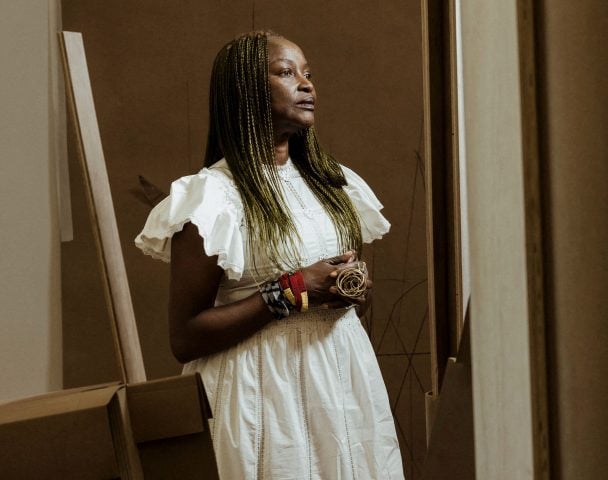
One might imagine her curatorial spirit as a vigilant guardian—both respecting Venice’s artistic heritage and simultaneously propelling it into uncharted territories. This isn’t merely about selection; it’s about orchestration—crafting an ecosystem where disparate artistic discourses converge and converse.
A Spirit Anchored in Storytelling and Cultural Dialogue
At the core of Kouoh’s inventive methodology lies a commitment to storytelling fused with cultural dialogue. Her curatorial philosophy embraces art not as isolated artifacts but as vessels of collective memory, social critique, and transformative possibility. This approach fits seamlessly with the Biennale’s historical mission yet injects a new vitality tailored for a globalized, digitally interconnected era.
The challenge, however, is intricate: How does one balance the grandiosity of international spectacle with the intimacy of individual stories? Kouoh’s past projects suggest an inclination toward deeply immersive exhibitions—spaces that invite participation and intellectual engagement rather than distant observation. This commitment pushes the Biennale beyond mere showcase into performative encounter, where viewers are collaborators rather than spectators.

When Innovation Meets Tradition: Navigating the Venice Paradox
Venice itself embodies contradiction—its ancient stones juxtaposed with modern-day complexities, a fragile ecosystem both physically and culturally. Kouoh faces the Sisyphean task of honoring this paradox while steering the Biennale into a future that is never comfortable, always evolving. Could her vision potentially unsettle entrenched expectations? Absolutely—and that’s precisely what it might require.
Venice demands curators who can traverse its labyrinthine pavilions and geopolitical intricacies with ease, weaving narratives that acknowledge place and global discourse. Kouoh’s multifaceted background, bridging continents and disciplines, might provide the dexterity needed to meet this challenge head-on. Can the curator’s spirit truly harmonize innovation with the conservation of Venice’s refined grandeur? Or will this dance reveal tensions along the fault lines of tradition and transformation?
Legacy and Mortality: The Human Element Behind the Curatorial Icon
Amid the vibrancy of planning and projection, one cannot ignore the poignant reminder of mortality. The recent news of Kouoh’s passing at age 57 blankets the artistic arena with a somber yet galvanizing aura. This loss introduces a spectral dimension to the question: Is Kouoh’s spirit not only watching over Venice but also guiding collaborators from beyond, urging persistence in the face of impermanence?
The idea of curatorial legacy transcends physical presence—it embodies the intangible momentum of ideas and values. Kouoh’s ethos, deeply etched in advocacy and innovation, will inevitably resonate through the Biennale’s unfolding chapters. This intertwining of legacy with vision complicates the notion of control; no curator operates in a vacuum, and perhaps the true challenge lies in shepherding a collective spirit rather than a singular vision.
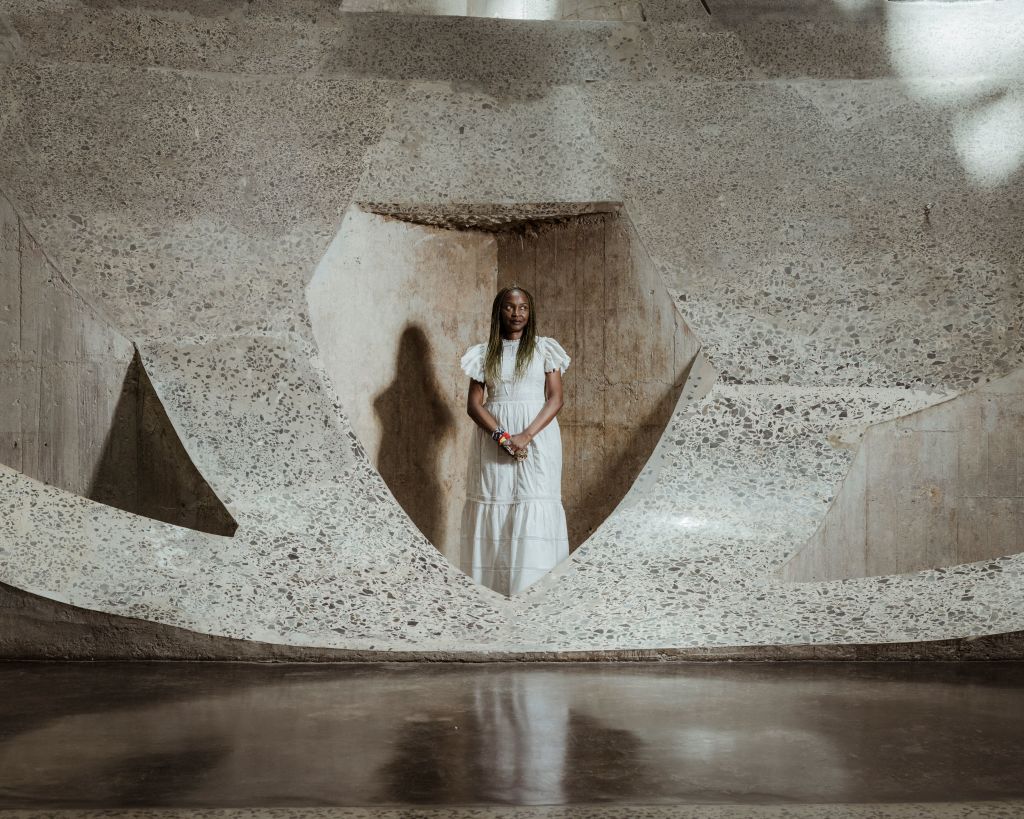
Is the Curator’s Spirit a Beacon or a Challenge?
Ultimately, the playful question of whether Koyo Kouoh’s spirit is watching over Venice teases a deeper investigation into the nature of curatorial influence. Is this spirit a beacon illuminating new potentials, or a challenge that unsettles complacency? Perhaps it is both. A curator like Kouoh ignites a lively tension between past and future, order and flux, visibility and marginalization.
As Venice awaits the 2026 Biennale, one thing is clear: this spirit invites us to rethink what it means to curate—not just to organize art but to cultivate ecosystems of meaning. The difficulty lies in embracing this responsibility with humility and boldness. Might we find in Kouoh’s spirit a companion for navigating the unpredictable waters of contemporary art?
The biennale, a mosaic of ephemeral moments, stands to be transformed by a curator whose spirit melds courage with conscientiousness. Venice, forever perched between myth and reality, now listens intently to this whisper from afar, pondering how the curator’s vision can reshape the future while honoring the past. And so, the journey unfolds—full of promise, challenge, and a luminous vitality that refuses to fade.


Leave a Comment