

Have you ever embarked on a narrative journey only to find yourself questioning the very framework that guides the story? What happens when logic takes a backseat, and the narrative itself becomes a tapestry of fragmented moments? This playful conundrum invites us into the enigmatic world of the disjointed narrative—a storytelling form that challenges our expectations and dares us to rethink coherence and meaning.
The Enigma of Disjointed Storytelling
At its core, a disjointed narrative defies conventional storytelling. Unlike traditional narratives, which follow a linear or causally connected progression, disjointed stories can seem like puzzles with missing pieces. Scenes jump without clear transitions, characters appear and disappear unpredictably, and the temporal flow is anything but straightforward. It’s as if the story dances on the edges of chaos, assembling itself in a deliberately fractured manner.
This approach might initially frustrate, leaving audiences scrambling for familiar signposts. Yet, therein lies its allure. The disjointed narrative beckons a different kind of engagement—one that emphasizes interpretation, emotional resonance, and thematic exploration over straightforward comprehension. It asks: can a story be felt deeply without strict adherence to logic?
Challenging the Norms of Coherence
Logic has traditionally been the guardian of storytelling, ensuring that each event flows seamlessly into the next. The disjointed narrative, however, presents a fascinating challenge to this orthodoxy. By placing scenes and moments in a seemingly haphazard order, it destabilizes the causality we rely upon.
Yet, this disruption is far from accidental. Instead, it often mirrors the fractured reality of human experience—our memories, thoughts, and perceptions rarely unfold in neat chronological order. This narrative style champions subjectivity over objectivity, emphasizing how inner turmoil, confusion, or fragmented consciousness can shape a story’s architecture.
Invoking Emotion Through Fragmentation
Fragmentation in storytelling does more than confuse; it evokes complex emotions. The disjointed narrative mirrors emotional states such as anxiety, grief, or delirium, where thoughts and feelings swirl without clear resolution. This evocative device immerses the audience in the character’s psyche, guiding them to experience the chaos rather than simply observe it.
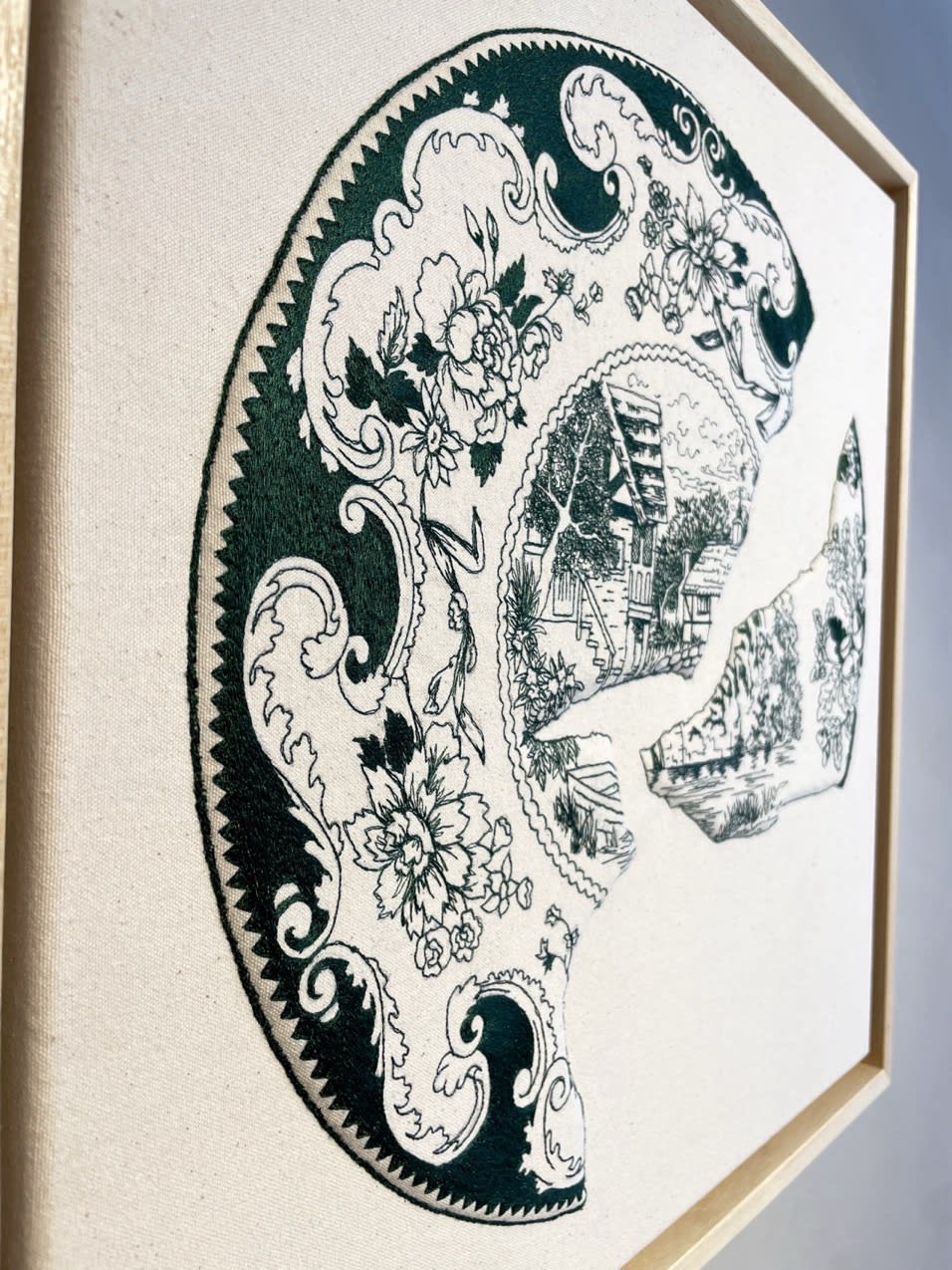
Artistic interpretations often accompany disjointed narratives, offering visual metaphors for the fragmented story. The image above exemplifies this concept, with its cubes and disassembled forms reflecting the narrative’s nonlinear essence.
The Cinematic Landscape of Disjointed Narratives
Film, as a medium, offers fertile ground for this unconventional form. Movies employing disjointed narratives compel viewers to assemble the storyline from scattered clues, engaging both intellect and intuition. However, this technique walks a fine line. When executed masterfully, it provokes intrigue and layered understanding. When mishandled, it risks alienating the audience through confusion and disorientation.
Consider films that intertwine disjointed scenes to reflect themes of psychological fracture or time distortion. The abrupt shifts and broken timelines challenge audiences to abandon passive viewing and instead participate actively in meaning-making. Yet, some critics argue that excessive reliance on fragmentation can devolve into narrative chaos, diluting emotional impact.
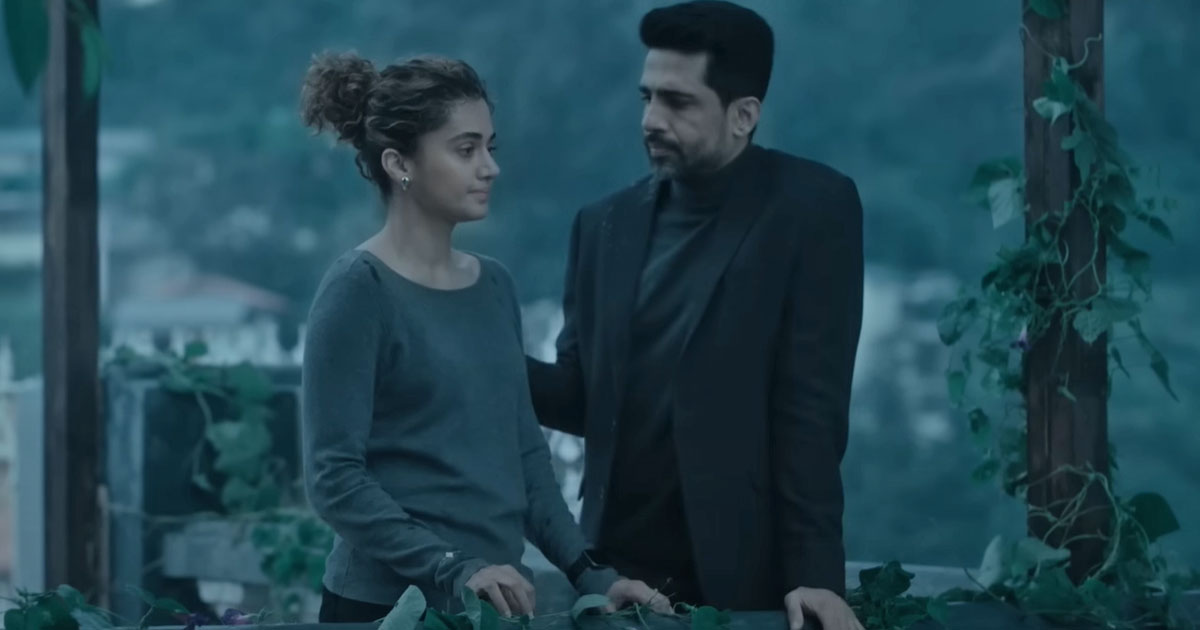
The still above underscores this cinematic approach—blurred sequences and fragmented storytelling blend to induce a sense of ambiguity, epitomizing the disjointed method’s power and pitfalls.
Disjointed Narratives in Literature and Beyond
Literary works have long experimented with narrative disjunction. Authors employ stream-of-consciousness techniques, non-linear timelines, and unreliable narrators to dismantle straightforward storytelling. These choices emphasize the multiplicity of perspectives, question objective truth, and explore the subconscious.
Moreover, digital and interactive media have expanded opportunities for disjointed storytelling. Games and web narratives enable fragmented user experiences, where the sequence of events may differ markedly between participants. This variability amplifies the challenge posed by disjointed forms: if logic loosens its grip, how then do we discern meaning?
Is Disjointedness a Double-Edged Sword?
As thrilling as the disjointed narrative can be, it raises a provocative question: when does playful fragmentation become counterproductive? Too much disjunction risks losing the audience entirely, resulting in a fragmented reception rather than a fragmented narrative.
The challenge lies in balancing ambiguity with accessibility. A successful disjointed narrative might offer just enough anchor points to tether its audience, while still unleashing the imaginative potential of its fractured form. It’s an artistic tightrope walk—teetering between coherence and chaos.
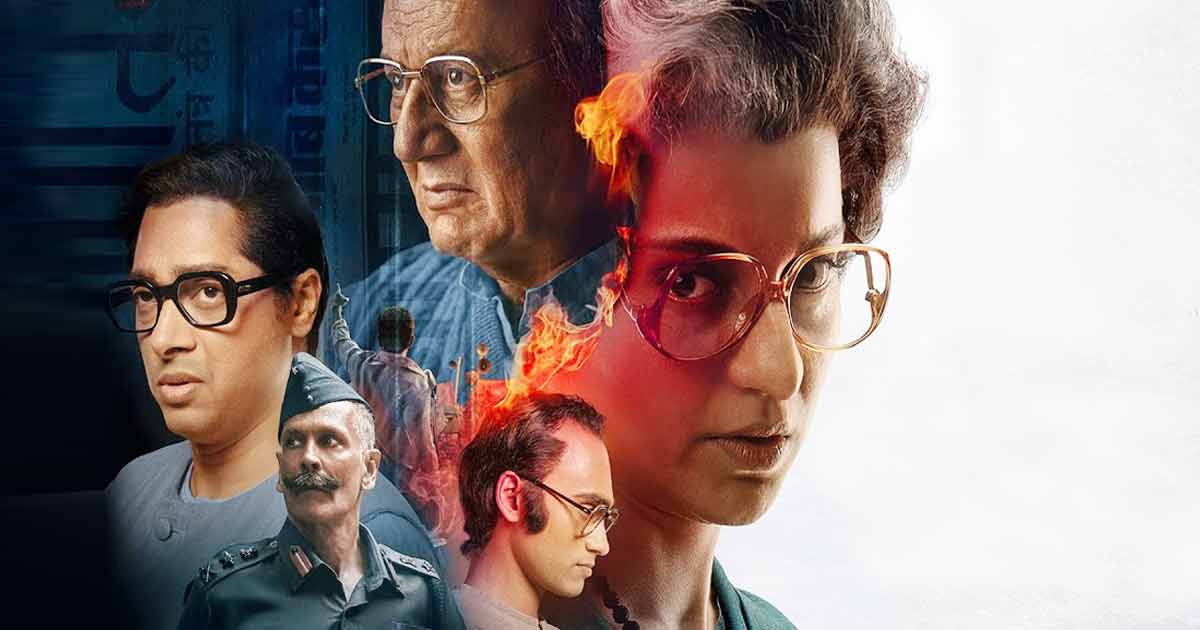
The film represented here exemplifies this negotiation. Performances and thematic beats shine, even as the disjointed narrative structure demands more active effort from viewers to piece together the story.
Conclusion: Embracing the Challenge of the Disjointed
The disjointed narrative poses a delightful dilemma. It challenges us to relinquish our attachment to linear logic and invites us to immerse ourselves in complexity, ambiguity, and fragmentation. It is a storytelling style that is as much about experience as it is about plot—a mode that mirrors the multifaceted and often chaotic nature of reality itself.
So, the next time you encounter a story that feels scattered or elusive, consider the possibility that its disjointedness is not a flaw, but a calling—a provocative invitation to explore storytelling without logic, and to find coherence not in order, but in interpretation.


Leave a Comment