

In the realm of imagination, where nature entwines with artistic abstraction, a remarkable evolution is unfolding. The year 2026 heralds an extraordinary chapter in the world of botanical representation—one that distorts reality yet enchants the senses: The Distorted Flora of Surrealist Botanicals. This visionary approach transcends the conventional portrayal of plants, inviting enthusiasts and dreamers alike to reimagine flora through a prism of ethereal artistry and conceptual innovation. The promise is clear: to shift perspectives, challenge perceptions, and awaken a dormant curiosity about the living art that surrounds us.
Reinventing the Familiar: Surrealism Meets Botanical Aesthetics
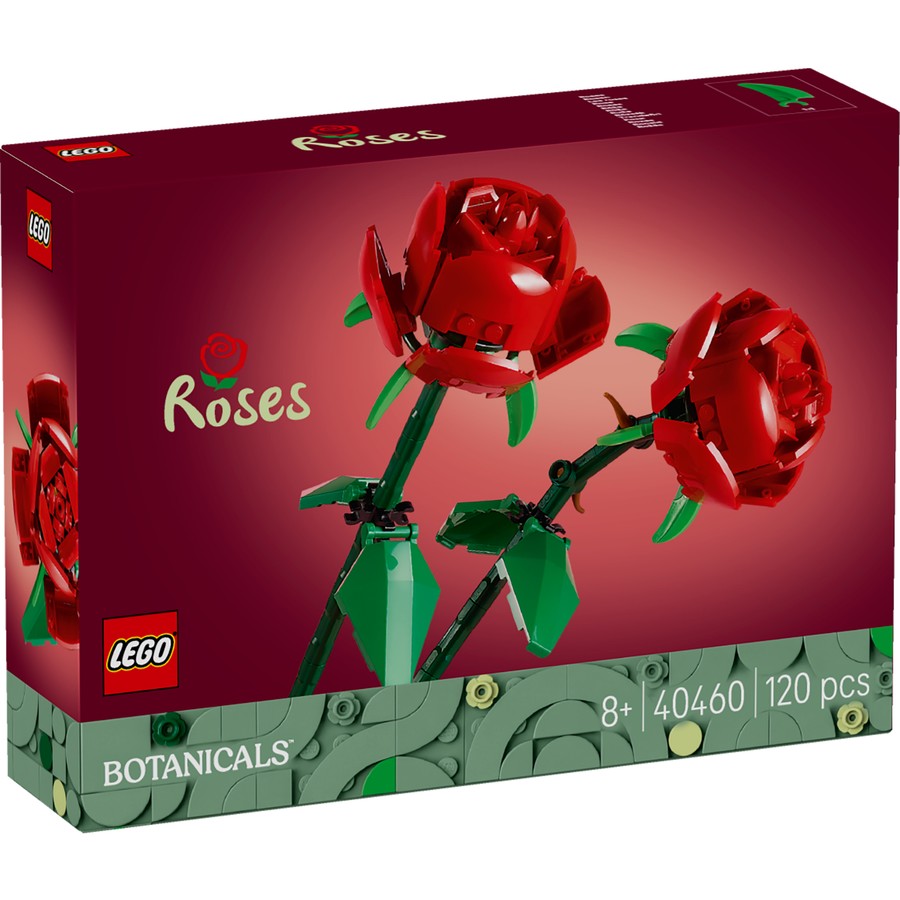
Surrealism has long been a catalyst for unveiling the uncanny within the ordinary, distorting the tangible to reveal the intangible. This philosophy, applied to botanicals, transforms familiar flowers and foliage into enigmatic sculptures that pulse with life beyond their organic origins. Imagine roses that betray gravity, petals that fold into hypnotic spirals, and leaves that sparkle with iridescence—each a testament to a metamorphosis where nature’s blueprint becomes a surrealist canvas.
Such designs coax observers into an almost hypnotic state of wonderment, prompting questions about the boundaries between the natural world and the artist’s visionary reimagination. The botanical forms do not merely replicate; they distill the essence of life’s beauty into dreamlike manifestations, compelling viewers to see beyond the surface.
Curiosity Synthesized: New Dimensions of Botanical Expression
The emergence of surrealist botanicals in 2026 signifies more than just aesthetic novelty; it acts as a vibrant manifesto of curiosity—a beckoning to explore and rediscover organic forms through inventive craftsmanship. For instance, the enigmatic Peace Lily in this new wave is not confined to its green-and-white predictability. Instead, it is reimagined with fluid curves and exaggerated scales that evoke a sense of otherworldly grace.
Each floral model encapsulates a narrative—a silent poem—that challenges observers to decipher the layers of symbolism embedded within. The daisies, often symbols of purity, in their surrealist incarnation, might twist into kaleidoscopic patterns that suggest transformation and impermanence.

Crafting the Unreal: The Intersection of Artistry and Innovation
The technical mastery underpinning these surrealist botanicals cannot be overstated. The fusion of cutting-edge design techniques with traditional botanical knowledge reflects an intricate balancing act—where structural integrity supports whimsical distortions without compromising form or stability.
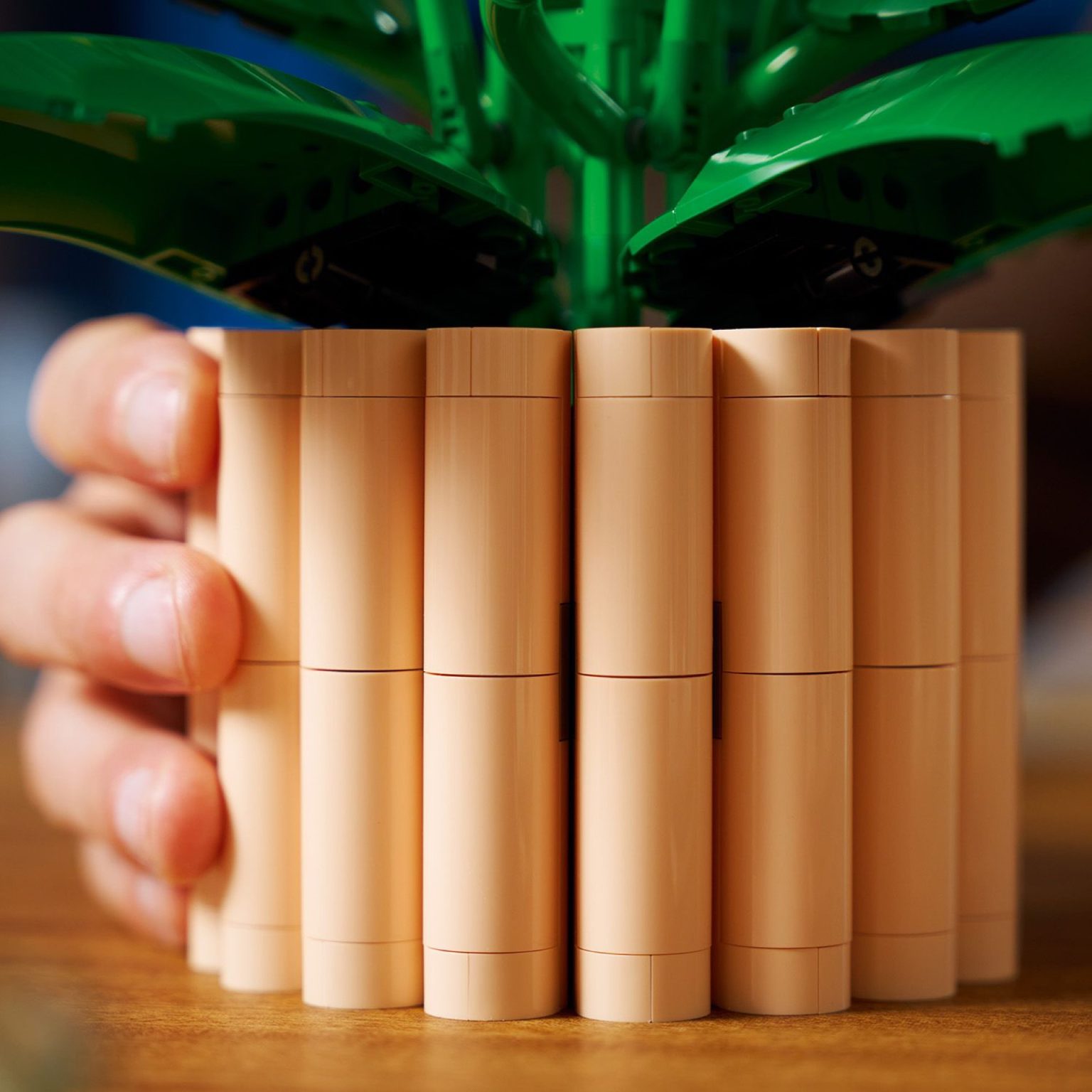
Take the Peace Lily’s stem, for example. While it appears fluid and pliant, it is engineered to retain an elegant poise, symbolic of life’s delicate equilibrium. Such craftsmanship invites tactile engagement, rendering these pieces not just visual marvels but objects of interaction that deepen the sensory experience.
This synthesis of art and technology exemplifies a broader trend where creativity transcends medium constraints, shaping a new lexicon for botanical representation where every curve, angle, and hue resonates with deliberate intention.
A Paradigm Shift: Botanical Art as a Medium of Mind Expansion
At its core, the distorted flora movement is a philosophical pivot. It nudges observers to reconsider their relationship with the natural environment, encouraging a mindset attuned to abstraction and reinterpretation. Through the prism of surrealism, plants cease to be mere biological entities; they become emblems of psychological landscapes and portals to alternate realities.
Engaging with these surreal botanicals is akin to stepping through a looking glass—a journey into an altered state where familiar motifs are fragmented, reassembled, and imbued with fresh meaning. This shift instills a complexity that resists simplistic appreciation, inviting instead a prolonged dialogue between the observer and the object.
Invoking Wonder: The Power of Surrealist Botanicals to Inspire Creativity
One of the most compelling promises of distorted flora is its ability to galvanize creative thought. Artistic reinterpretations of botanicals open fertile ground for innovators, educators, and dreamers to harness the fantastical as a springboard for their own creations.
From designers drawing inspiration for fashion to educators using these surreal representations to spark botanical interest in young learners, the ripple effects extend far beyond the aesthetic domain. They invite a collective reawakening to nature’s untapped potential as muse and metaphor, cultivating an ecosystem of imagination.
Conclusion: Embracing the Enigma of Surrealist Botanicals
The surrealist botanicals of 2026 embody a sweeping redefinition of how we perceive and interact with the natural world. By distorting the familiar, they reveal deeper layers of beauty and meaning, challenging entrenched perspectives and igniting a profound curiosity that transcends the everyday.
These botanical marvels are not just art; they are meditations on existence, creativity, and the infinite possibilities hidden within nature’s seemingly simple forms. As this movement grows, it promises to inspire wonder, provoke thought, and ultimately enrich our understanding of the intimate dance between reality and imagination.


Leave a Comment