

In the alchemy of digital imagery, where pixels are the raw gold and light is the master craftsman, there exists a technique so potent it could render an entire arsenal of presets obsolete. This is the art of dodging and burning—a method as ancient as photography itself, yet refined to surgical precision in the digital darkroom. Forget the one-click wonders that flatten your vision into a sea of sameness. What if you could sculpt light with the same finesse as a sculptor chiseling marble, revealing the hidden contours of your subject with every stroke? This is not just adjustment; it’s transmutation. It’s the difference between a photograph that merely exists and one that breathes.
The magic lies in its simplicity. Dodging lifts shadows, carving out details where darkness once swallowed them whole. Burning, its counterpart, deepens highlights, coaxing depth from the void. Together, they are the yin and yang of tonal control, a dance of light and shadow that transforms the mundane into the extraordinary. No preset can replicate the intuition behind this process—no algorithm can predict the emotional resonance of a well-placed highlight or the drama of a carefully lifted shadow. This is where presets fail. They are the fast food of editing: quick, predictable, and ultimately unsatisfying. Dodging and burning? That’s a feast.
The Alchemy of Light: How Dodging and Burning Works
Imagine your image as a topographic map, where valleys represent shadows and peaks stand as highlights. Presets flatten this landscape into a single hue, erasing the peaks and valleys alike. Dodging and burning, however, is the act of re-sculpting that terrain. When you dodge, you’re not just brightening—you’re excavating the latent details buried in the shadows. A face emerges from the gloom. Textures in fabric or foliage leap into sharp relief. The world feels more tangible, as if you could reach out and touch it.
Burning, conversely, is the act of embossing light. It doesn’t just darken; it etches depth into the brightest areas. The rim of a coffee cup gains definition. A sunset’s gradient becomes a symphony of layered hues. The technique thrives on subtlety—too much, and the image collapses into a murky abyss. Too little, and it remains a ghost of its potential. Mastery lies in the balance, where each adjustment feels like a whisper rather than a shout.
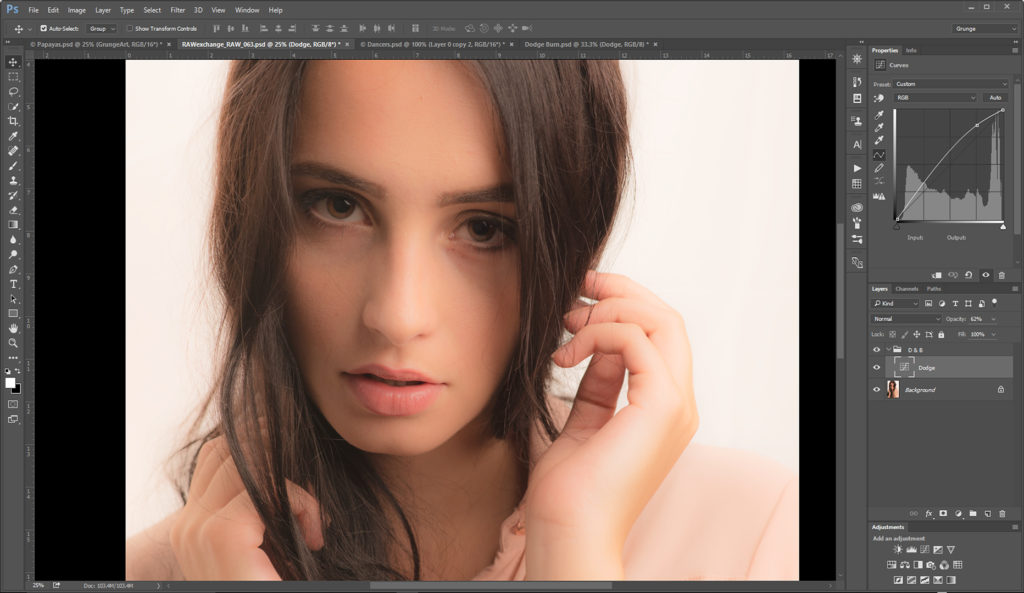
Consider the portrait photographer’s dilemma: how to make a face glow without washing out the skin or losing the subtle play of light across the cheekbones. A preset might offer a generic “soft glow,” but dodging and burning allows you to paint that glow, directing the viewer’s eye to the eyes first, then the lips, then the curve of the jaw. It’s not just enhancement; it’s narrative. Every dodge and burn tells a story about what matters in the frame.
The Preset Paradox: Why One-Size-Fits-None Fails
Presets are the crutches of the impatient. They promise instant gratification, but at what cost? A preset applied to a landscape might make the sky pop, but it could also flatten the foreground, turning vibrant wildflowers into a murky blur. A portrait preset might “enhance” skin tones, but in doing so, it erases the freckles that tell a story of sunlit afternoons and childhood summers. Presets are the fast fashion of photography—cheap, convenient, and devoid of soul.
Dodging and burning, on the other hand, is bespoke tailoring. It respects the unique DNA of each image. A wedding photo demands a different touch than a moody street scene. A product shot requires precision that presets can’t deliver. The technique adapts because it’s not a formula—it’s a conversation between photographer and image. You listen to the shadows. You coax the highlights. You collaborate with the light itself.
Think of presets as a restaurant menu. They offer a limited selection of dishes, all pre-cooked and reheated. Dodging and burning is the chef’s table, where every ingredient is chosen with care, every technique tailored to the diner’s palate. The result? A meal that lingers on the tongue, that makes you close your eyes and savor. That’s the power of this method—it doesn’t just improve an image; it elevates it.
The Tools of the Trade: Brushes, Blending Modes, and Intuition
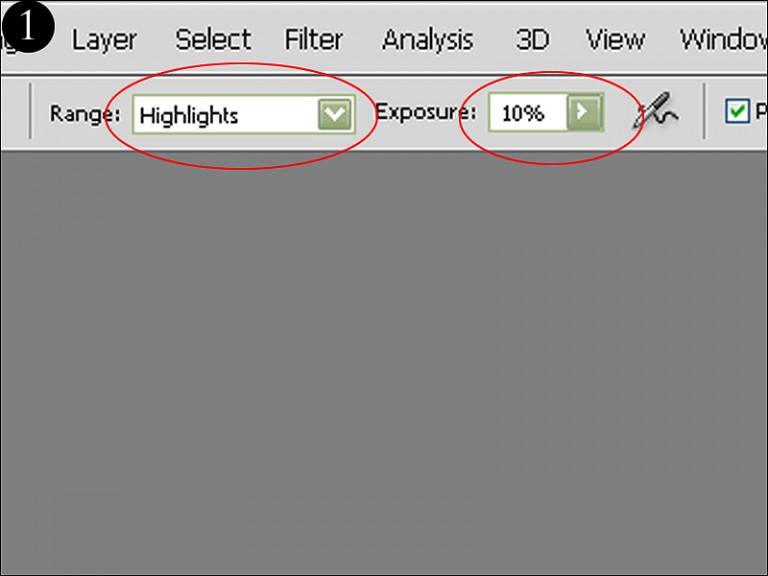
To wield dodging and burning effectively, you need more than a steady hand—you need the right tools. The digital darkroom offers a palette of options, each with its own flavor. The Dodge and Burn tools in Photoshop are the obvious starting point, but they’re just the beginning. For finer control, many photographers turn to layer masks, where adjustments are non-destructive and infinitely adjustable. A soft round brush set to 10-20% flow becomes your scalpel, allowing for gradual, organic transitions.
Blending modes add another layer of sophistication. Overlay or Soft Light can intensify the effect without harsh edges, while Color Dodge and Color Burn offer more dramatic shifts in tone. Some artists even use Curves adjustments on separate layers, painting in luminosity changes with the brush tool. The key is to treat these tools like an extension of your vision—not as a crutch, but as a catalyst for creativity.
But tools alone won’t make you a master. The real magic happens in the intuition. How do you know where to dodge? Where to burn? It’s about reading the image like a map. The darkest areas often hold the most potential for revelation. The brightest spots might need tempering to avoid glare. It’s a game of hide and seek, where you’re searching for the story the image wants to tell—and then helping it along.
Beyond the Basics: Advanced Techniques for the Discerning Artist
Once you’ve mastered the fundamentals, the real fun begins. Advanced dodging and burning techniques can turn a good image into a masterpiece. One such technique is frequency separation, where you separate the image into high-frequency (texture) and low-frequency (color and tone) layers. This allows you to dodge and burn the skin’s texture without affecting its color, creating a flawless yet natural look. It’s the secret behind many professional portraits.
Another advanced method is luminosity masking. Instead of painting adjustments willy-nilly, you create masks based on the image’s brightness values. This lets you target specific tonal ranges—say, only the midtones in a landscape—to enhance depth without overpowering the scene. It’s like using a scalpel instead of a chainsaw.
For the truly adventurous, composite images offer a playground for dodging and burning. When merging multiple exposures or blending elements from different shots, this technique becomes essential for creating seamless transitions. The edges of a composite might need subtle dodging to blend naturally, or the highlights of a sky might require burning to match the foreground. It’s where precision meets artistry.
Then there’s the artistic license of creative dodging and burning. Want to give a portrait an ethereal glow? Dodge the edges of the face and burn the background to create a vignette that draws the eye inward. Need to make a product shot pop? Burn the shadows beneath it to make it appear to float. The possibilities are limited only by your imagination—and your willingness to experiment.
The Emotional Resonance: Why This Technique Feels Alive
At its core, dodging and burning is about emotion. A preset can make an image brighter or darker, but it can’t make it mean something. Dodging and burning, however, breathes life into a photograph. It’s the difference between a snapshot and a story.
Consider a photograph of a couple dancing under string lights. A preset might brighten the entire scene, but it would flatten the intimacy of the moment. Dodging and burning, however, can lift the shadows around their faces, making their smiles the brightest part of the frame. It can deepen the darkness of the background, making the lights feel like a private universe just for them. The image doesn’t just show a moment; it evokes the warmth, the joy, the connection.
This technique is also deeply personal. Every photographer has a unique way of seeing the world, and dodging and burning allows that vision to shine through. It’s not about following rules—it’s about breaking them in a way that feels authentic. A street photographer might use it to emphasize the grit of a cityscape, while a fashion photographer could use it to create a dreamy, ethereal look. The method adapts to the artist, not the other way around.
In a world saturated with filters and presets, dodging and burning is a rebellion. It’s a return to craftsmanship. It’s a reminder that photography is not just about capturing light—it’s about shaping it, molding it, making it sing.
The next time you reach for a preset, pause. Ask yourself: does this truly enhance the image, or does it just make it look like everyone else’s? Dodging and burning isn’t just a technique—it’s a philosophy. It’s the difference between a photograph that fades into the background and one that stops the viewer in their tracks. It’s the difference between good and unforgettable.
So grab your brush. Turn up the contrast. And let the light guide your hand. The darkroom is waiting—and it’s time to create something extraordinary.


Leave a Comment