

The double bass slap is more than just a percussive flourish—it’s the heartbeat of rockabilly rhythm, a sonic rebellion that shook the foundations of early rock ’n’ roll. When the bow is abandoned, and the strings are struck with the thumb before being plucked with the fingers, something primal and electrifying emerges. This technique, often dismissed as a novelty, is in fact the secret sauce that gave rockabilly its signature snap, crackle, and pop. It’s the reason why a genre born from the fusion of country, blues, and jazz could sound so raw, so urgent, and so undeniably cool.
But why does this percussive approach resonate so deeply? Perhaps it’s because the double bass slap embodies the raw energy of rebellion. In an era when smooth jazz and polished pop dominated the airwaves, rockabilly’s slapping basslines were a middle finger to convention. They were loud, brash, and unapologetically physical—a sonic representation of the genre’s defiant spirit. The slap technique didn’t just provide rhythm; it provided attitude, turning the bass from a background instrument into a front-and-center force of nature.
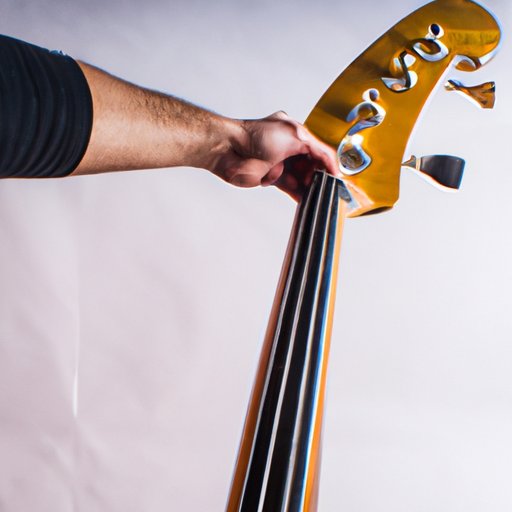
The Birth of a Sonic Revolution: How the Slap Technique Took Over
The origins of the double bass slap are shrouded in the same mythic haze as the birth of rockabilly itself. While no single musician can claim to have invented it, the technique likely evolved from a blend of African-American string band traditions, blues slap bass, and the rhythmic innovations of early jazz and country musicians. The key, however, lies in how rockabilly artists weaponized it. They didn’t just play the bass—they attacked it, turning it into a percussive powerhouse that could drive a song forward with relentless momentum.
One of the earliest documented uses of slap bass in a rockabilly context comes from the playing of upright bassists like Bill Black, the legendary sideman for Elvis Presley. Black’s work on tracks like Hound Dog and Jailhouse Rock wasn’t just supportive—it was revolutionary. His slapping style added a punchy, rhythmic drive that made the basslines impossible to ignore. This wasn’t background music; it was a second drum kit, a second guitar, a second voice all at once.
The technique spread like wildfire through the rockabilly scene, adopted by players who saw its potential to inject energy into every performance. Unlike the smooth arco (bowed) style of jazz or the steady plucking of traditional country, the slap was alive—it breathed, it growled, it demanded attention. This was music for dancers, for rebels, for anyone who wanted to feel the pulse of something new and dangerous.
The Physics of the Slap: Why It Works So Damn Well
At its core, the double bass slap is a study in physics and rhythm. When the thumb strikes the string against the fingerboard, it creates a sharp, percussive attack. The fingers then pluck the string, producing a bright, snappy tone. The result? A sound that’s equal parts bass drum, snare, and hi-hat—a one-man rhythm section. This duality is what makes the slap so mesmerizing. It’s not just about keeping time; it’s about defining the groove.
The beauty of the slap lies in its versatility. A skilled player can make it sound aggressive, playful, or even funky, all within the same song. In rockabilly, it’s often used to emphasize the backbeat, locking in with the drums to create a driving, locomotive rhythm. But it can also be used for melodic fills, adding a touch of improvisational flair that keeps the music unpredictable. This dual role—both rhythmic and melodic—is what sets the slap apart from other bass techniques.

The Cultural Ripple: How Slap Bass Shaped Rockabilly’s Identity
Rockabilly wasn’t just a musical genre—it was a cultural movement, a rebellion against the polished, sanitized sounds of the 1950s. The double bass slap was the perfect sonic metaphor for this rebellion. It was loud, it was messy, and it refused to be ignored. In a time when radio stations played safe, formulaic pop, rockabilly’s slapping basslines were a breath of fresh air—a reminder that music could be raw, unfiltered, and full of life.
This rebellious spirit extended beyond the music itself. The slap bass became a symbol of youth culture, of the working-class kids who didn’t have access to expensive amplifiers or studio polish. It was the sound of garage bands, of late-night jam sessions, of the DIY ethos that defined early rock ’n’ roll. The fact that it came from the double bass—a humble, acoustic instrument—only added to its mystique. Here was a sound that required no gimmicks, no effects pedals, just raw talent and a willingness to hit the strings as hard as possible.
The influence of the slap technique didn’t stop at rockabilly. It seeped into other genres, from the funk of Larry Graham to the punk energy of early rock. But its roots remain firmly planted in the soil of rockabilly, where it first proved that the bass could be more than just a supporting instrument—it could be the star of the show.
The Art of the Slap: Mastering the Technique
For those looking to dive into the world of double bass slap, the learning curve can be steep. It’s not just about strength—it’s about precision, timing, and a deep understanding of rhythm. The thumb must strike the string with enough force to create a clear attack, while the fingers need to pluck with just the right amount of tension to produce a snappy, resonant tone. It’s a delicate balance, one that requires hours of practice to master.
One of the biggest challenges is avoiding injury. The slap technique puts a lot of strain on the thumb and fingers, so proper hand positioning and warm-up exercises are essential. Many players also use lighter gauge strings to reduce tension and make the technique more manageable. But the real key to success lies in listening—studying the greats like Bill Black, Marshall Lytle of Bill Haley & His Comets, and Lee Rocker of The Stray Cats, and breaking down their playing to understand what makes their slap so distinctive.
It’s also worth noting that the slap technique isn’t just for the upright bass. Electric bass players have adopted it, too, often blending it with fingerstyle and pick playing to create a hybrid sound that’s uniquely their own. But there’s something about the acoustic resonance of the double bass that makes the slap feel even more primal, more connected to the raw energy of rockabilly’s early days.
The Legacy of the Slap: Why It Still Matters Today
In an era dominated by synthesizers and digital production, the double bass slap remains a powerful reminder of music’s physicality. It’s a technique that demands presence, both from the player and the listener. There’s no hiding behind layers of effects or auto-tune—just the unfiltered sound of wood, metal, and human effort. That’s why it continues to captivate audiences, even decades after its heyday.
Today, the slap technique lives on in the hands of modern rockabilly revivalists, psychobilly bands, and even avant-garde jazz musicians. It’s a testament to its versatility and enduring appeal. Whether it’s the driving rhythm of a classic rockabilly track or the experimental flourishes of a contemporary bassist, the slap remains a symbol of creativity, rebellion, and unbridled energy.
The double bass slap didn’t just invent rockabilly rhythm—it redefined what the bass could be. It turned an instrument once relegated to the shadows into a lead voice, a rhythm machine, and a cultural icon. And that’s why, even now, it still makes us want to move, to dance, to feel the music in our bones.


Leave a Comment