

The ocean, a vast and shimmering tapestry of blue, once teemed with life untouched by human hands. Today, it bears the scars of our plastic consumption—bottles, bags, and microfibers drifting like ghostly relics in the deep. Yet, where there is waste, there is also opportunity. Artists and innovators around the world are transforming this ecological burden into something breathtaking. Welcome to the eco-art of the ocean, where plastic becomes poetry, and pollution is reborn as beauty.
Imagine walking along a beach, only to stumble upon a sculpture of a sea turtle, its shell intricately woven from discarded fishing nets and bottle caps. Or picture a gallery wall adorned with vibrant mosaics, each tile a fragment of a once-floating water bottle, now gleaming under gallery lights. This is not mere fantasy. It is the reality of ocean plastic upcycling, a movement that marries environmental activism with artistic expression. From coastal communities to urban centers, artists are turning the tide on pollution, one creation at a time.

The Alchemy of Trash: How Plastic Becomes Art
At the heart of ocean-inspired eco-art lies a process as transformative as it is ingenious. Artists do not merely repurpose plastic; they transmute it. Through techniques like heat molding, shredding, and weaving, discarded materials are stripped of their identity as waste and reborn as mediums of expression. Consider the work of plastic fusion artists, who melt down microplastics into molten rivers, then pour them into molds to create sculptures that resemble coral or jellyfish. The result? A hauntingly beautiful paradox—art that both critiques and celebrates the ocean’s fragility.
Another fascinating method is plastic weaving, where artists collect and clean ocean-bound plastics, then weave them into textiles. These textiles become the canvas for wearable art, tapestries, or even functional items like bags and hats. The texture of the plastic—once rough and unyielding—softens through the artist’s touch, revealing a surprising delicacy. In some cases, the plastic retains its original colors, creating a mosaic of blues, greens, and whites that evoke the very hues of the sea it once polluted.
But the transformation does not stop at aesthetics. Many artists infuse their work with narrative depth, embedding stories of environmental loss and hope into each piece. A sculpture of a dying whale might be constructed from fishing nets, its ribs a lattice of ghost gear that once ensnared marine life. The artist’s intent is clear: to make the invisible visible, to force viewers to confront the consequences of their consumption.
From Shore to Gallery: The Rise of Ocean Plastic Art Movements
The eco-art movement centered on ocean plastic is not confined to a single region or style. Instead, it thrives as a global phenomenon, with distinct regional flavors and innovative techniques. In Bali, Indonesia, artists have pioneered the use of bottle cap murals, turning thousands of discarded caps into larger-than-life portraits of marine life. These murals, often displayed in public spaces, serve as both art and activism, drawing attention to the island’s plastic crisis while beautifying urban landscapes.
Meanwhile, in California, USA, the Plastic Ocean Project has gained traction for its large-scale installations. One standout piece, “Leviathan,” is a towering sculpture of a whale, its body composed entirely of single-use plastics collected from beach cleanups. The artist, a former marine biologist, chose the whale as a symbol of both the ocean’s majesty and its vulnerability. Visitors are encouraged to walk through the sculpture, a visceral experience that underscores the scale of plastic ingestion by marine animals.
Across the Atlantic, in Portugal, the EcoArt Festival has become a hub for artists exploring the intersection of plastic and performance. One memorable piece involved a dancer encased in a suit made entirely of repurposed fishing nets, moving through a gallery space as if swimming through the ocean. The performance was a poignant commentary on entanglement—both literal and metaphorical—and the ways in which plastic ensnares not just marine life, but human society as a whole.

The Science Behind the Art: Turning Plastic into Fuel and Beyond
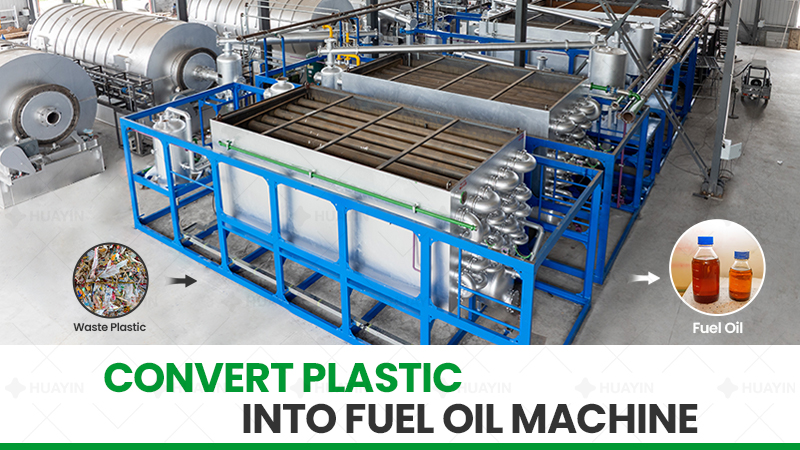
While art captures the imagination, science is working tirelessly to address the root of the plastic problem. Innovations in plastic-to-fuel conversion are offering a glimmer of hope. Facilities in countries like Japan and India are pioneering methods to break down plastic waste into usable fuel, reducing the volume of plastic that ends up in the ocean. Though not an artistic process, this technology indirectly fuels the eco-art movement by providing a sustainable source of raw materials for artists.
Some artists are taking this a step further by incorporating biodegradable plastics into their work. These materials, derived from algae or cornstarch, decompose naturally but can still be shaped and colored like traditional plastics. The result is art that is not only visually stunning but also environmentally responsible. Imagine a chandelier crafted from algae-based plastic, its delicate tendrils glowing under LED lights—a beacon of light in a world drowning in waste.
Moreover, artists are collaborating with scientists to develop interactive eco-art. One example is a kinetic sculpture powered by solar energy, its movements mimicking the ebb and flow of ocean tides. Embedded sensors detect microplastic levels in the air, causing the sculpture to change color in response. Viewers are not just passive observers; they are participants in a dialogue about pollution, technology, and the future of our oceans.
How You Can Join the Movement: From Consumer to Creator
The eco-art of the ocean is not reserved for trained artists or scientists. It is an inclusive movement that invites everyone to play a role. For those who wish to consume mindfully, the first step is to rethink single-use plastics. Opt for reusable bottles, bags, and containers. Support brands that prioritize sustainable packaging. By reducing your plastic footprint, you directly contribute to the supply of materials available for upcycling.
If you’re feeling creative, consider DIY plastic upcycling. Start small: collect clean plastic waste, cut it into strips, and weave it into a coaster or a small basket. Experiment with melting plastic in a controlled environment to create unique shapes or textures. Share your creations on social media with hashtags like #OceanPlasticArt or #TrashToTreasure to inspire others. The internet is a powerful tool for spreading awareness, and every post is a ripple in the wave of change.
For those who prefer to support rather than create, seek out eco-art exhibitions and auctions. Many galleries now feature pieces made from ocean plastic, with proceeds often going toward marine conservation efforts. Attend workshops or talks hosted by environmental artists. Engage with local communities that organize beach cleanups followed by art-making sessions. The act of creation, whether as an artist or a supporter, fosters a deeper connection to the ocean and its plight.
The Ripple Effect: Art as a Catalyst for Change
The true power of ocean plastic art lies not in its beauty alone, but in its ability to provoke, educate, and mobilize. When viewers encounter a sculpture of a sea turtle ensnared in plastic, they do not just see art—they see a call to action. When they walk through an installation made of thousands of bottle caps, they feel the weight of collective responsibility. Art, in this context, becomes a bridge between emotion and action.
This movement is also fostering a new generation of eco-conscious creators. Schools and universities are integrating ocean plastic art into their curricula, teaching students about sustainability through hands-on projects. Children as young as eight are learning to transform trash into treasure, instilling in them a lifelong commitment to environmental stewardship. The ripple effect of these educational initiatives is profound, shaping not just individual behaviors, but societal norms.
Moreover, eco-art is breaking down barriers between disciplines. Scientists, artists, policymakers, and activists are coming together to address the plastic crisis from multiple angles. Art exhibitions are paired with scientific panels. Workshops blend creativity with conservation. The result is a holistic approach to problem-solving, where each field informs and elevates the others.
As the movement grows, so too does its impact. What began as a niche form of activism has evolved into a global phenomenon, with artists and innovators leading the charge toward a more sustainable future. The ocean’s plastic problem is far from solved, but the tide is turning. Through the alchemy of art, waste is being transformed into wonder, and pollution into purpose.
The ocean’s story is one of resilience. It has survived ice ages, asteroid impacts, and the relentless march of human industry. Today, it faces its greatest challenge yet—but it also offers the greatest opportunity for redemption. By turning plastic into beauty, we are not just cleaning up the mess we made. We are reimagining our relationship with the natural world, one masterpiece at a time.


Leave a Comment