

In a world where every watt counts and every photon carries a carbon footprint, the art of studio lighting is undergoing a silent revolution. Gone are the days when dazzling illumination came at the expense of the planet. Today, photographers and filmmakers are embracing a new paradigm—one where brilliance meets sustainability, and creativity thrives without compromise. This isn’t just a trend; it’s a transformation, a shift in perspective that redefines what it means to light a scene. Welcome to the eco-conscious guide to studio lighting, where every beam of light is a step toward a greener future.
Imagine stepping into a studio bathed not in the harsh glare of energy-guzzling bulbs, but in the soft, diffused glow of recycled light. Picture a set where the only waste is the creative energy of the artists, and the only footprint is the one left by their footsteps. This vision isn’t a distant dream—it’s an achievable reality, and it starts with understanding the tools and techniques that make eco-friendly studio lighting not just possible, but powerful. From the hum of a low-energy LED panel to the silent efficiency of solar-powered strobes, the future of lighting is here, and it’s brighter than ever.
The Illuminating Truth: Why Eco-Friendly Lighting Matters
Lighting in a studio isn’t just about visibility; it’s about energy. Traditional studio lights, particularly incandescent and halogen bulbs, are notorious energy hogs, converting a mere fraction of their power into light while wasting the rest as heat. This inefficiency doesn’t just inflate electricity bills—it contributes to a larger environmental burden. The carbon emissions from powering these lights add up, especially in high-demand environments like professional studios. But the impact doesn’t stop there. The manufacturing and disposal of these lights often involve hazardous materials, from mercury in fluorescent tubes to the rare earth metals in older LED models.
Enter eco-conscious lighting—a category that prioritizes energy efficiency, longevity, and minimal environmental harm. The shift toward sustainable lighting isn’t just about reducing carbon footprints; it’s about rethinking the entire lifecycle of a light source. Modern eco-friendly lights are designed to last longer, consume less power, and often incorporate recycled or biodegradable materials. They’re not just tools; they’re part of a closed-loop system where waste is minimized, and resources are conserved. For studios, this means lower operating costs, reduced maintenance, and a smaller ecological footprint—all without sacrificing the quality of light.
But why does this matter beyond the obvious environmental benefits? Because the choices made in the studio ripple outward. Clients, audiences, and collaborators are increasingly aware of sustainability. A studio that adopts eco-friendly practices doesn’t just save energy; it builds a reputation as a forward-thinking, responsible space. It attracts like-minded talent and clients who value sustainability as much as creativity. In an industry where perception is everything, eco-conscious lighting isn’t just a feature—it’s a statement.
LED: The Bright Star of Sustainable Lighting
When it comes to eco-friendly studio lighting, LEDs are the undisputed champions. These tiny, energy-efficient bulbs have revolutionized the industry, offering a blend of performance, durability, and sustainability that older technologies simply can’t match. Unlike incandescent bulbs, which waste up to 90% of their energy as heat, LEDs convert nearly all their power into light. This efficiency translates to significant energy savings—up to 80% less power consumption for the same output. For a studio running multiple lights for hours on end, that’s a game-changer.
But LEDs aren’t just about energy savings; they’re also about longevity. A typical LED bulb can last up to 50,000 hours, compared to the 1,000-hour lifespan of an incandescent bulb. This means fewer replacements, less waste, and lower long-term costs. Many modern LED lights are also designed with recyclable materials, reducing their environmental impact even further. Some manufacturers even offer take-back programs, ensuring that old lights are properly disposed of or repurposed.
Yet, not all LEDs are created equal. When choosing eco-friendly LED lights for your studio, look for models with high Color Rendering Index (CRI) values—ideally 90 or above—to ensure accurate color representation. Dimmable LEDs are another boon, allowing you to adjust light intensity without sacrificing energy efficiency. And for those concerned about the blue light emitted by some LEDs, look for “warm” or “tunable” white options that mimic the soft glow of natural light.
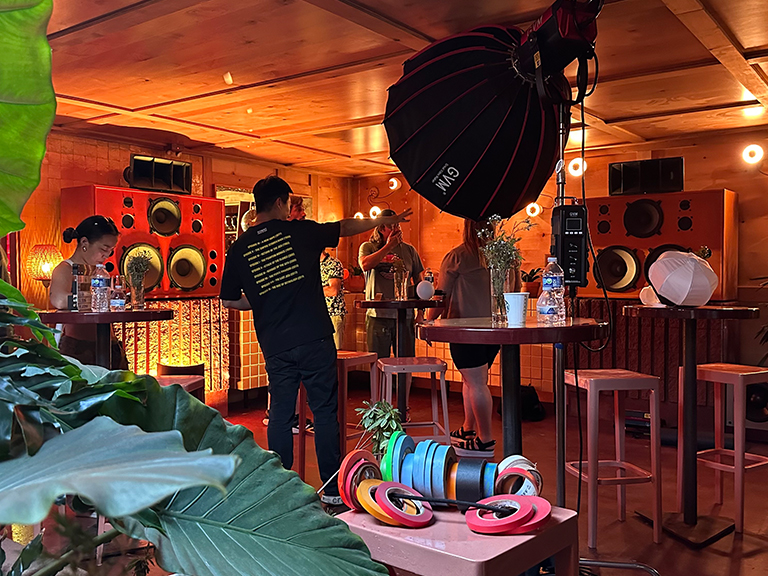
The versatility of LEDs is another reason they’ve become studio staples. From compact panels for tight spaces to powerful softboxes for large sets, there’s an LED solution for every need. Some advanced models even offer wireless control, allowing you to adjust settings remotely and reduce the need for physical adjustments. This not only saves time but also minimizes energy use by eliminating the need for additional lighting setups.
Harnessing Natural Light: The Power of the Sun
While artificial lighting is a studio necessity, there’s no denying the magic of natural light. It’s free, abundant, and, when used correctly, can produce stunning, lifelike results. The key to harnessing natural light in a studio setting lies in understanding its behavior and supplementing it with eco-friendly tools. Large windows, skylights, and diffusers can transform a space, bathing it in soft, diffused sunlight that reduces the need for artificial light sources.
But natural light isn’t always reliable. Cloudy days, seasonal changes, and the position of the sun can all affect its intensity and direction. This is where solar-powered lighting comes into play. Solar-powered LED panels and portable lights can capture and store energy during the day, providing a sustainable source of illumination when natural light fades. These systems are particularly useful for outdoor shoots or locations where grid power is unavailable. They’re also ideal for reducing energy consumption during long shoots, as they draw power from a renewable source.
For studios in urban areas, where natural light may be limited, consider using light shelves or reflective surfaces to bounce sunlight deeper into the space. Mirrors, white walls, and even strategically placed metallic sheets can amplify natural light, reducing the need for artificial sources. Another innovative approach is the use of fiber optic lighting, which channels sunlight from outside into the studio through thin, flexible cables. This method provides the benefits of natural light without the variability of weather or time of day.
Of course, natural light isn’t just about saving energy—it’s about creating a connection to the environment. Studios that embrace natural light often find that their sets feel more organic, their subjects more relaxed, and their images more authentic. It’s a reminder that sustainability isn’t just about technology; it’s about reconnecting with the world around us.
Battery-Powered Brilliance: Off-Grid Lighting Solutions
In a world where mobility and flexibility are paramount, battery-powered lighting has emerged as a game-changer for studios. These lights offer the freedom to shoot anywhere, anytime, without being tethered to a power outlet. But their benefits extend far beyond convenience—they’re also a sustainable choice. By eliminating the need for grid power, battery-powered lights reduce energy consumption and lower carbon emissions. They’re particularly useful for location shoots, where traditional lighting setups might be impractical or environmentally disruptive.
Modern battery-powered lights are incredibly efficient, often using lithium-ion or lithium-polymer batteries that can be recharged hundreds of times. Some models even feature solar charging capabilities, allowing them to harness the sun’s energy on the go. When paired with energy-efficient LEDs, these lights can provide hours of high-quality illumination without draining resources. For studios that frequently work on location, investing in a fleet of battery-powered lights is a smart, sustainable choice.
But battery-powered lighting isn’t just about portability—it’s about control. Many of these lights come with adjustable brightness, color temperature, and even wireless control, allowing for precise adjustments without the need for additional power sources. This level of flexibility ensures that you can achieve the perfect shot, no matter where you are. And because they’re often lighter and more compact than traditional lights, they’re easier to transport and set up, reducing the environmental impact of travel.
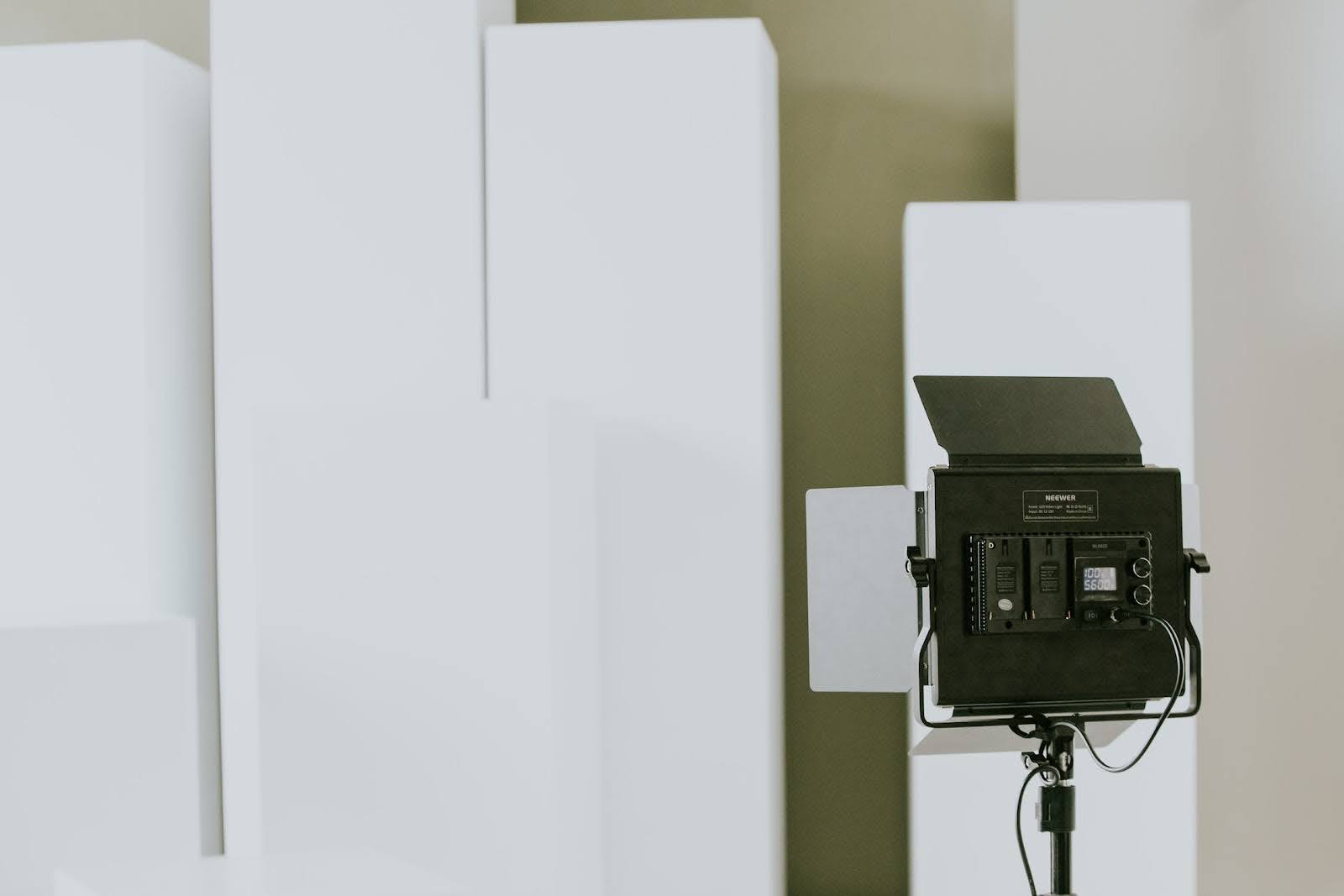
For studios that want to go a step further, consider investing in a power station or portable generator that runs on renewable energy. These systems can store excess energy from solar panels or wind turbines, providing a reliable power source for battery-powered lights and other equipment. They’re an investment in sustainability that pays off in both environmental and operational benefits.
Smart Lighting: The Future is Intelligent and Efficient
The next frontier in eco-conscious studio lighting is smart technology. Smart lights aren’t just energy-efficient—they’re intelligent. They learn from their environment, adapt to their surroundings, and optimize their performance to minimize waste. These lights can be controlled remotely via apps, allowing you to adjust settings with a tap on your smartphone. They can also integrate with other smart devices, creating a cohesive, energy-efficient ecosystem in your studio.
One of the most exciting features of smart lighting is its ability to analyze and adjust based on usage patterns. For example, a smart LED panel might dim automatically when no one is in the room or shift its color temperature to match the time of day, reducing eye strain and energy consumption. Some systems even use motion sensors to turn lights on and off as needed, eliminating the waste of leaving lights on in empty spaces. These small adjustments add up to significant energy savings over time.
Smart lighting also opens up new creative possibilities. With tunable white lights, you can adjust the color temperature to create different moods—cool blues for a dramatic effect, warm yellows for a cozy atmosphere. Some systems even offer RGB options, allowing you to experiment with a full spectrum of colors without the need for multiple light sources. This versatility not only enhances creativity but also reduces the number of lights required, further lowering energy use.
For studios that are serious about sustainability, smart lighting systems can be integrated with building management systems to monitor and optimize energy use across the entire space. This level of control ensures that every watt is used efficiently, from the lights on the set to the HVAC system in the background. It’s a holistic approach to sustainability that transforms the studio into a model of eco-conscious design.
Closing the Loop: Recycling and Responsible Disposal
Even the most sustainable lighting setup can’t escape the reality of waste. Over time, lights wear out, and when they do, it’s crucial to dispose of them responsibly. Many traditional lighting technologies contain hazardous materials, such as mercury in fluorescent bulbs or lead in older LEDs. Improper disposal can lead to these toxins leaching into the environment, posing a threat to both human health and ecosystems. That’s why recycling and responsible disposal are essential components of an eco-conscious lighting strategy.
The first step is to choose lights made from recyclable or biodegradable materials. Many modern LED lights are designed with this in mind, using aluminum, glass, and other materials that can be easily repurposed. Some manufacturers even offer recycling programs, allowing you to return old lights for proper disposal or refurbishment. Before purchasing new lights, check if the manufacturer has a take-back or recycling initiative—it’s a sign of a company that’s committed to sustainability.
For studios, it’s also important to have a plan for managing old equipment. This might involve donating functional lights to schools, community centers, or nonprofits, extending their lifespan and reducing waste. Alternatively, you could partner with a local recycling facility to ensure that end-of-life lights are disposed of safely. Some facilities specialize in e-waste recycling, breaking down lights into their component parts and repurposing the materials for new products.
Another innovative approach is upcycling—transforming old lights into something new and useful. For example, a broken LED panel might be repurposed as a decorative light fixture or a DIY project for a photography workshop. Upcycling not only reduces waste but also fosters creativity and community engagement. It’s a reminder that sustainability isn’t just about reducing harm; it’s about finding new ways to give old things a second life.
Ultimately, the goal is to create a closed-loop system where waste is minimized, and resources are conserved. By choosing sustainable lights, recycling old equipment, and embracing innovative disposal methods, studios can ensure that their lighting practices align with their environmental values. It’s a commitment that goes beyond the set, shaping a future where creativity and sustainability coexist harmoniously.
The journey toward eco-conscious studio lighting is more than a trend—it’s a transformation. It’s a shift in perspective that challenges us to rethink the way we illuminate our world, to find brilliance in efficiency, and to create without compromise. From the hum of an LED panel to the silent efficiency of solar-powered strobes, every choice we make in the studio has the power to inspire change. It’s a reminder that even the smallest adjustments can lead to the brightest results.
So, the next time you step into a studio, ask yourself: What kind of light are you casting—not just on your subject, but on the world? The answer might just illuminate a path to a greener, more sustainable future.


Leave a Comment