

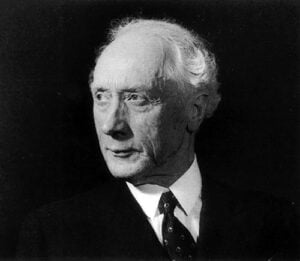
In the hushed glow of a lamplight, where the world’s cacophony fades into a murmur, there exists a secret—a whispered “ah” that has saved countless voices from the brink of exhaustion. This isn’t the desperate gasp of a singer pushing their limits or the strained exhale of a public speaker battling a tightening throat. No, this is something far more profound: a deliberate, almost sacred release that recalibrates the very mechanics of speech and song. It’s the legacy of F. M. Alexander, a man who transformed the way we understand the body’s role in voice production. And if you’ve ever felt your voice betray you after a long day, if you’ve ever woken up with a rasp that clings like sandpaper to your words, then this is your invitation to uncover the power of that whispered “ah.”
Imagine waking up tomorrow with a voice that feels as effortless as breathing, one that doesn’t crack under pressure or surrender to fatigue by evening. Picture yourself speaking for hours without the telltale strain in your throat, singing without the fear of losing your resonance, or simply conversing without the dread of a voice that betrays your confidence. This isn’t a fantasy spun from wishful thinking—it’s a tangible reality for those who’ve mastered the Alexander Technique’s whispered “ah.” But how does a single sound hold such transformative power? And why does it feel like unlocking a door to a version of yourself you’ve only glimpsed in fleeting moments of ease?

The Anatomy of a Whisper: Why “Ah” Holds the Key to Vocal Longevity
At first glance, the whispered “ah” seems deceptively simple—a mere exhalation, a release of breath. But within that sound lies a symphony of biomechanical precision. The Alexander Technique teaches that the voice is not an isolated instrument but a reflection of the entire body’s alignment and coordination. When you whisper “ah,” you’re not just expelling air; you’re engaging in a microcosm of the technique’s core principle: inhibition. This is the art of pausing, of stepping back from habitual tension to allow the body’s natural mechanisms to reassert themselves.
Consider the larynx, that delicate valve perched atop the windpipe. In moments of stress or overuse, it tightens, its muscles contracting like a fist around your voice. The whispered “ah” disrupts this cycle. By gently vocalizing the sound, you encourage the larynx to lengthen and widen, creating space for the vocal folds to vibrate freely. It’s as if you’re coaxing a rusty hinge back to smooth operation, lubricating the joints of your voice with the oil of conscious release.
But the magic doesn’t stop there. The whispered “ah” also serves as a barometer for the body’s overall tension. If the sound emerges strained or pinched, it’s a signal—your neck is gripping, your jaw is clenched, or your ribs are locked in a shallow, inefficient breath. The technique demands that you listen, that you adjust not just the sound but the underlying posture that shapes it. In this way, the whispered “ah” becomes a daily diagnostic tool, a way to audit your body’s readiness for the demands of speech and song.
The Nightly Ritual: How a Simple Sound Resets Your Voice
Evening descends, and with it, the weight of the day’s vocal exertions. Your throat feels raw, your pitch uneven, your breath shallow. Before you surrender to the temptation of a stiff drink or a throat lozenge, try this: sit comfortably, spine elongated, feet planted firmly on the ground. Inhale deeply through your nose, feeling the expansion of your ribs like a bellows filling with air. Then, on the exhale, whisper “ah” softly, as if you’re sharing a secret with the darkness. Let the sound linger, unhurried, until your lungs are empty.
What you’re doing is more than a vocal exercise—it’s a reset. The Alexander Technique posits that the body accumulates tension like a sponge absorbs water, and the whispered “ah” wrings out that excess. By practicing this nightly, you’re training your nervous system to recognize and release the patterns of strain that accumulate during the day. Over time, this ritual rewires your default state, shifting from a posture of compression to one of ease. Your voice, in turn, becomes lighter, more resonant, less prone to the ravages of fatigue.
But here’s the twist: this isn’t just about physical release. The whispered “ah” also serves as a mental anchor, a moment of stillness in a world that demands constant output. In whispering “ah,” you’re not just soothing your vocal cords—you’re recalibrating your entire being. It’s a declaration of self-care, a quiet rebellion against the cult of productivity that tells us to push through until we burn out. This is the essence of the Alexander Technique: a holistic approach that recognizes the voice as both an instrument and a barometer of well-being.
The Science Behind the Sound: What Research Reveals About the Whispered “Ah”
While the Alexander Technique is often dismissed as esoteric or anecdotal, emerging research lends credence to its principles. Studies on vocal health have shown that even subtle shifts in posture and breath can dramatically alter the efficiency of voice production. For instance, research published in the Journal of Voice found that singers who practiced mindful breathing techniques experienced reduced vocal fatigue and improved pitch stability. The whispered “ah” aligns with these findings, acting as a bridge between conscious control and the body’s innate wisdom.
Neuroscience, too, offers clues. The act of whispering engages the parasympathetic nervous system, the body’s “rest and digest” mode, counteracting the stress-induced sympathetic dominance that tightens the throat and constricts the breath. When you whisper “ah,” you’re essentially hitting the reset button on your nervous system, allowing your voice to return to its natural state of equilibrium. It’s a biological hack, a way to outsmart the body’s stress responses before they take a toll on your vocal health.
Moreover, the whispered “ah” taps into the phenomenon of vocal fold adduction, the gentle closing of the vocal folds that occurs during phonation. In a state of tension, this adduction can become hyperactive, leading to strain. The Alexander Technique teaches that by whispering “ah,” you encourage a balanced, efficient closure, reducing the risk of vocal fold damage. It’s a reminder that the voice is not a machine to be forced into submission but a living system that thrives on harmony.
From Whisper to Roar: Scaling the Technique for Every Voice
You might be wondering: if the whispered “ah” is so transformative, how do you harness its power for more than just nightly rituals? The answer lies in the technique’s scalability. Start small, with the gentle exhale of “ah,” and gradually expand its application. Use it as a warm-up before speaking engagements, a midday reset when your throat feels tight, or a post-performance cool-down to soothe your vocal folds. The key is consistency—treating the whispered “ah” not as a quick fix but as a lifelong practice.
For singers, the technique becomes even more potent. Imagine approaching a high note not with brute force but with the effortless flow of a whispered “ah.” By integrating the Alexander Technique into your vocal exercises, you train your body to support your voice without unnecessary tension. The result? A richer, more sustainable tone, free from the strain that so often sabotages performances. It’s the difference between pushing and coaxing, between forcing and inviting.

But the technique isn’t limited to professionals. Whether you’re a teacher, a call center employee, a parent, or someone who simply loves to talk, the whispered “ah” can be your secret weapon. It’s a tool for reclaiming agency over your voice, for stepping out of the cycle of overuse and into a state of vocal resilience. And the best part? It costs nothing. No expensive gadgets, no invasive treatments—just your breath, your awareness, and a willingness to listen.
The Ripple Effect: How Vocal Ease Transforms Your Life
When your voice feels effortless, everything else follows. Confidence isn’t something you conjure—it’s something that emerges when your body is in alignment and your breath is unobstructed. The whispered “ah” doesn’t just save your voice; it reshapes your relationship with communication. You’ll find yourself speaking with greater clarity, listening with deeper presence, and even breathing with a newfound sense of spaciousness.
Consider the domino effect: a voice that doesn’t fatigue is a voice that can command attention without strain. A throat that doesn’t tighten is a throat that can sing, laugh, and speak with abandon. The Alexander Technique’s whispered “ah” is the first domino, the gentle nudge that sets the rest in motion. It’s a reminder that the smallest actions often hold the greatest power.
In a world that glorifies relentless output, the whispered “ah” is a radical act of self-preservation. It’s a declaration that your voice matters—not just for what it says, but for how it feels. So tonight, before you surrender to sleep, try it. Whisper “ah.” Let the sound linger. And trust that, in doing so, you’re not just saving your voice—you’re reclaiming a part of yourself that’s been waiting to be heard.


Leave a Comment