

In the grand ballet of existence, moments pirouette across the stage of life—fleeting, luminous, and often too swift to grasp. Yet, what if we could press these ephemeral dancers into the pages of a living canvas? What if memory, that most delicate of blossoms, could be preserved not just in the amber of photographs or the brittle pages of journals, but in the vibrant, ever-evolving strokes of paint? Welcome to the art of floral memory painting, where the past blooms anew in every hue, every texture, every whisper of the brush.
Imagine walking into a room where the walls themselves breathe with the scent of nostalgia. Not the musty odor of forgotten letters, but the effervescent perfume of a garden in full, riotous bloom. Here, memories are not trapped in static frames; they unfurl like petals in sunlight, their colors deepening with time, their stories woven into the very fibers of the paint. This is not mere decoration—it is alchemical preservation, transforming the intangible into the tangible, the transient into the eternal. The canvas becomes a living archive, a sanctuary where moments are not just remembered but re-experienced.
The Canvas as a Timekeeper: How Paint Captures the Uncapturable
Photographs freeze a moment in a single, unblinking gaze. They are the daguerreotypes of our lives—precise, unyielding, and often cold. But paint? Paint is a conversation. It breathes. It shifts. It tells a story not just in what it depicts, but in how it feels. A memory preserved in oil or acrylic is not a snapshot; it is a symphony. The way light dances on a child’s laughter, the way shadows pool in the corners of a room where old friends once gathered—these are not things a camera can truly capture. But a brush? A brush can.
Consider the texture of a memory. The rough grain of a wooden table where a loved one carved their initials. The smooth, cool surface of a kitchen counter where holiday pies once cooled. Paint can mimic these sensations. Thick impasto strokes evoke the tactile memory of a hand brushing against a sun-warmed stone. Thin, translucent glazes suggest the ephemeral quality of a summer breeze through an open window. The medium itself becomes a mnemonic device, a tactile echo of the past.

Moreover, paint does not merely record; it interprets. A photograph might capture the exact shade of a sunset, but a painting can infuse it with emotion. The golden hour of a first kiss might be rendered in molten oranges and deep crimsons, not because that is what the eye saw, but because that is what the heart felt. The artist becomes a memory alchemist, distilling raw experience into something richer, something that lingers in the soul long after the initial moment has faded.
The Language of Petals: Decoding the Symbolism of Floral Memory
Flowers are the most eloquent of storytellers. Each bloom carries centuries of symbolism, a silent language that predates written history. A rose is not just a rose—it is passion, devotion, or sometimes, a warning. A lily is not merely a lily—it is purity, rebirth, or the fleeting nature of life itself. When we weave these blossoms into the fabric of memory painting, we are not just decorating a wall; we are encoding our past with layers of meaning.
Imagine a painting of a garden where every flower has been chosen with intention. The peonies in full, voluptuous bloom might represent a season of abundance—a summer of love, a harvest of joy. The wilting daisies in the corner could whisper of a fleeting moment, a goodbye, a change that could not be stopped. The thorny stems of a rose might trace the jagged edges of a hard-won lesson, while the delicate petals of a forget-me-not cling to the edges, a plea to hold on to what matters.
This floral lexicon is not static. It evolves with the artist’s perspective, shifting as memories are revisited, reinterpreted, and reclaimed. A painting begun in grief might soften over time, its dark hues giving way to pastel hope. A celebration of youth might mellow into a meditation on time’s passage. The flowers, like memory itself, are living entities—constantly changing, constantly growing, constantly revealing new layers of their story.
The Art of Layers: Building Depth in Memory and Medium
To preserve a moment in paint is to engage in a process of stratigraphic storytelling. Just as an archaeologist uncovers the past through careful excavation, the memory painter peels back the layers of time, revealing not just what happened, but how it felt, how it changed, how it endures. This is where the magic of mixed media comes into play.
Consider the interplay of oil and collage. A photograph of a grandparent’s hands, carefully torn and embedded into the paint, becomes a bridge between the tangible and the intangible. The rough edges of the paper contrast with the smoothness of the brushstrokes, creating a dialogue between past and present. Or perhaps gold leaf is applied to the edges of a petal, catching the light like a memory that refuses to dim. The metallic sheen suggests something sacred, something eternal—an homage to the moments that outlast us.
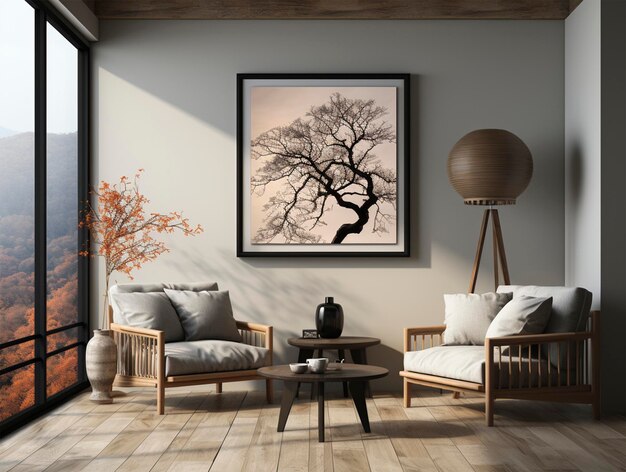
The process itself becomes a ritual. Each layer is a meditation—a moment of reflection on what is being preserved. The artist might pause before adding a final stroke, considering whether this hue truly captures the warmth of a summer afternoon or if that texture accurately reflects the roughness of a well-loved sweater. The act of painting becomes a conversation with the past, a way to commune with the ghosts of moments that shaped us.
From Wall to Wonder: The Emotional Resonance of Floral Memory Art
There is a profound psychological effect to surrounding oneself with art that carries the weight of memory. Studies in environmental psychology suggest that spaces adorned with meaningful art can reduce stress, evoke nostalgia, and even enhance cognitive function. But floral memory painting does more than soothe—it transforms. It turns a house into a home, a room into a sanctuary, a blank wall into a storybook.
Consider the emotional impact of walking into a space where the walls are alive with the blooms of a long-ago spring. The colors alone can shift the atmosphere of a room—cool blues and purples might calm the mind, while warm reds and oranges ignite passion and energy. But it is the narrative that truly captivates. A visitor might not know the story behind the painting, yet they feel its pull. They sense the laughter, the tears, the quiet moments that shaped a life. The art becomes a catalyst for connection, sparking conversations, memories, and even new stories.
For the creator, the experience is equally profound. To paint one’s memories is to reclaim them. It is an act of defiance against the erasure of time, a way to say, “This mattered. I mattered.” The act of creation itself can be cathartic, a way to process grief, joy, or the bittersweet passage of years. And when the painting is complete, it is not just a finished piece—it is a testament, a living, breathing reminder of what it means to be human.
The Future of Floral Memory: A Legacy in Every Brushstroke
As we move further into an era dominated by digital imagery and fleeting social media posts, the art of preserving moments in paint takes on a new urgency. It is a rebellion against the disposable nature of modern memory. It is a declaration that some things are worth more than a fleeting scroll, more than a momentary like. They are worth the slow, deliberate stroke of a brush, the careful layering of color, the patient coaxing of life from inert matter.
In the hands of future generations, floral memory painting could evolve into a new form of cultural storytelling. Imagine entire homes where walls tell the story of a family’s journey—where the first home’s peeling wallpaper is reimagined in fresco, where the scent of a grandmother’s garden is captured in swirling botanical motifs. It could become a way to pass down not just genes, but souls—a visual legacy that transcends generations.
And perhaps, in this act of preservation, we find something even more profound: a way to reconcile with the past. To see not just what was lost, but what endured. To recognize that memory is not a prison, but a garden—one that, with the right care, can bloom forever.
The next time you pass a blank wall, consider this: what if it could be more than just a surface? What if it could be a living archive, a sensory time capsule, a floral ode to the moments that made you? All it takes is a brush, some paint, and the courage to let your memories bloom.


Leave a Comment