

What happens when a global art phenomenon decides to set its sights on a city known for vast deserts, towering skyscrapers, and rapid modernization? The arrival of Frieze Abu Dhabi ignites a fascinating dialogue between tradition and innovation, local culture and international influence. Can a singular event recalibrate the artistic, economic, and social ecosystem of a burgeoning metropolis? As the desert sands shift beneath the weight of cultural connoisseurship, the ripples are profound, nuanced, and transformative.
The Genesis of a Cultural Metamorphosis
At first blush, the inception of Frieze Abu Dhabi might be perceived simply as the capital’s acquisition of an illustrious art fair. However, the ramifications extend far beyond exhibitions and sales. It is a catalyst for cultural metamorphosis—an infusion of global artistic dialogues into the fabric of Abu Dhabi’s identity. Where once the city was defined primarily by oil wealth and pragmatic development, now it gestures toward becoming a global hub for contemporary art and creativity. This seismic shift is not merely symbolic; it recalibrates the city’s cultural DNA.
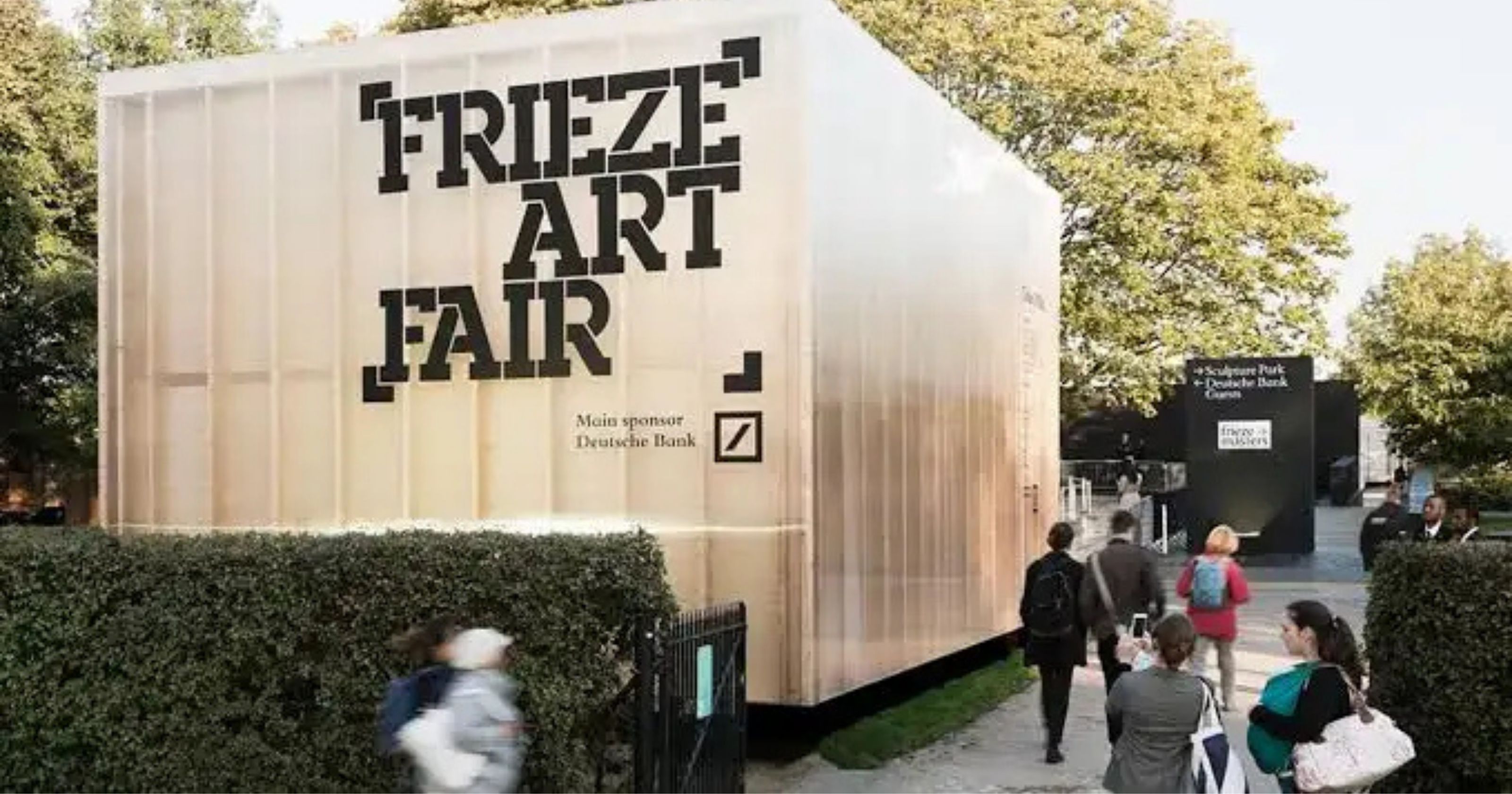
Such transformation is akin to planting an exotic seed in native soil—will it take root and flourish without eclipsing existing flora? The question invites contemplation about cultural symbiosis versus displacement, a theme ever-present in the interplay between global art fairs and their host cities.
Economic Alchemy: From Oil to Art
One cannot underestimate the economic dimensions of Frieze’s arrival. Abu Dhabi, long reliant on hydrocarbon revenues, is orchestrating a bold diversification strategy, with cultural tourism and creative industries poised as prime beneficiaries. Frieze Abu Dhabi acts as an economic alchemist, converting capital influxes from collectors, galleries, and patrons into local business opportunities. Hotels brim with international guests; restaurants and retail sectors indulge a more cosmopolitan clientele.
Moreover, the art fair stimulates a lucrative secondary market—commissions, local employment in event management, hospitality, and security all swell. This domino effect elevates the city’s profile, enticing further investment not just in culture but in infrastructure and urban enhancements. Yet, does this rapid commercial expansion risk commodifying the local culture, reducing art to an accessory for economic aspirations?
A Platform for Homegrown Talent
While Frieze Abu Dhabi brings a constellation of global artists and gallerists, arguably its greatest boon lies in amplifying the voices of local creators. The fair offers a rare platform for Emirati and regional artists to engage with a global audience, challenging centuries-old narratives and reshaping perceptions of Middle Eastern contemporary art.
This exposure is a double-edged sword. The exaltation of local talent can generate pride and cultural confidence, but it also introduces pressures to conform to international tastes and market demands. How can Abu Dhabi nurture authentic artistic expression while navigating the currents of global art diplomacy? Frieze’s presence initiates this essential negotiation, creating spaces for experimentation, discourse, and visibility.

Urban Renewal Through Artistic Intervention
Frieze Abu Dhabi doesn’t merely occupy physical spaces—it animates them. The cityscape experiences a renaissance as galleries, public spaces, and cultural institutions embrace innovation. Temporary installations blossom into permanent cultural landmarks, spurring urban renewal with an artistic ethos.
Abu Dhabi’s urban planners capitalize on this momentum, integrating art into public realms and fostering creative districts that challenge the utilitarian model of city planning. This is not mere aesthetic enhancement but a socio-cultural initiative designed to engage residents, inspire dialogue, and cultivate communal identity. Nevertheless, such rapid gentrification raises concerns about accessibility—who truly benefits from these urban transformations?
Challenging Cultural Homogeneity: Embracing Pluralism
The Frieze effect provokes an invigorating challenge: can Abu Dhabi balance its rich heritage with a forward-looking pluralism in art and culture? The fair becomes a microcosm where cross-cultural dialogues unfold, inviting perspectives from multiple geographies, traditions, and artistic languages. This pluralism, while enriching, also tests the resilience of local customs and values.
Herein lies the playful question: does this influx risk diluting cultural specificity, or does it create a hybrid vigor fostering unprecedented creativity? The tension fuels a dynamic cultural landscape where adaptation is necessary, sparking innovative fusion and redefinition of identity.
The Environmental and Sociopolitical Dimensions
Amidst all the glamour and excitement, the Frieze effect is not immune to environmental and sociopolitical scrutiny. Hosting an international fair of this magnitude involves significant resource consumption, from energy use to waste generation. Abu Dhabi’s commitment to sustainability is thus put under a magnifying glass—can the event model eco-conscious stewardship while maintaining its grandeur?
In sociopolitical terms, the fair also becomes a stage upon which questions of artistic freedom, censorship, and representation are acted out. The balance between open artistic expression and cultural sensitivities is delicate yet vital to fostering genuine creative exchange.
Conclusion: A New Chapter in Abu Dhabi’s Story
Frieze Abu Dhabi is more than just an art fair; it is an agent of transformation that ripples through the city’s cultural, economic, urban, and social strata. It invites Abu Dhabi to redefine itself—not merely as a city of monumental architecture or oil wealth, but as a vital node in the global cultural network. The challenges it presents—economic commodification, cultural balance, sustainability—are as significant as the opportunities it unveils.
As the fair continues to evolve, so too will Abu Dhabi’s artistic ecosystem. The playful question endures: can a global art phenomenon coexist harmoniously with the unique rhythms and stories of a local culture? It’s a compelling narrative that promises to shape not only Abu Dhabi’s future but also the broader discourse on art, place, and identity in the 21st century.


Leave a Comment