

The graffiti copyright case that rewrote street art ownership wasn’t just a legal battle—it was a cultural earthquake. In 2018, a federal court in New York delivered a landmark ruling that sent shockwaves through the art world, forcing galleries, collectors, and even artists to confront a question that had simmered for decades: Who truly owns a piece of street art once it’s removed from its original context? The case, 5Pointz v. City of New York, didn’t just redefine legal precedents; it exposed the raw, unresolved tension between artistic integrity and commercial exploitation. For street artists, it was a David-and-Goliath moment. For the art market, it was a wake-up call. And for the public, it was a stark reminder that the ephemeral nature of graffiti and street art doesn’t negate the rights of its creators.
This isn’t just a story about paint on a wall or a mural on a building. It’s about the soul of a movement that thrived on rebellion, anonymity, and the fleeting nature of public expression. When developers whitewashed the iconic 5Pointz murals in Queens—erasing decades of artistic labor overnight—it wasn’t just an act of destruction. It was a legal and ethical reckoning. The court’s decision to award the artists $6.75 million in damages wasn’t just compensation; it was validation. It declared, in no uncertain terms, that street art has value, that its creators deserve recognition, and that the law could no longer ignore the cultural significance of these works.
But what does this mean for the artists who paint on walls, the galleries that sell their work, and the collectors who buy it? How does copyright law apply to something designed to be temporary? And where do we draw the line between inspiration and theft in a world where street art has become a global commodity? Buckle up. We’re diving deep into the layers of this case, exploring its ripple effects, and uncovering what it means for the future of street art ownership.
The Birth of a Legal Revolution: How 5Pointz Became a Battleground
The saga of 5Pointz began in the 1990s, when a derelict factory in Long Island City became a canvas for some of the most influential street artists in the world. What started as an illegal graffiti haven evolved into a legal graffiti mecca, a place where artists like Lady Pink, Wane, and Phlegm transformed concrete into living art. By the time the building’s owner, Gerald Wolkoff, announced plans to demolish it in 2013 to make way for luxury condos, 5Pointz had become a cultural landmark. But Wolkoff had no intention of preserving the murals. Instead, he whitewashed them overnight, leaving artists and fans stunned.
What followed was a lawsuit that would test the boundaries of copyright law. The artists argued that their works were protected under the Visual Artists Rights Act (VARA), a 1990 amendment to U.S. copyright law that grants creators certain moral rights, including the right to prevent the destruction of their works. Wolkoff, on the other hand, claimed that because the murals were created on his property without his permission, he had every right to remove them. The case hinged on a deceptively simple question: Does street art, by its very nature, forfeit its creator’s rights once it’s placed in a public space?
The court’s answer was a resounding no. In a decision that sent ripples through the art world, Judge Frederic Block ruled that the murals were indeed protected under VARA. The ruling wasn’t just a legal victory; it was a cultural manifesto. It acknowledged that street art, despite its origins in rebellion, carries intrinsic value that transcends its physical form. For the first time, a court had recognized that the act of creating art in public doesn’t strip it of its legal protections. It was a game-changer.
From Vandalism to Valuation: The Shifting Perception of Street Art
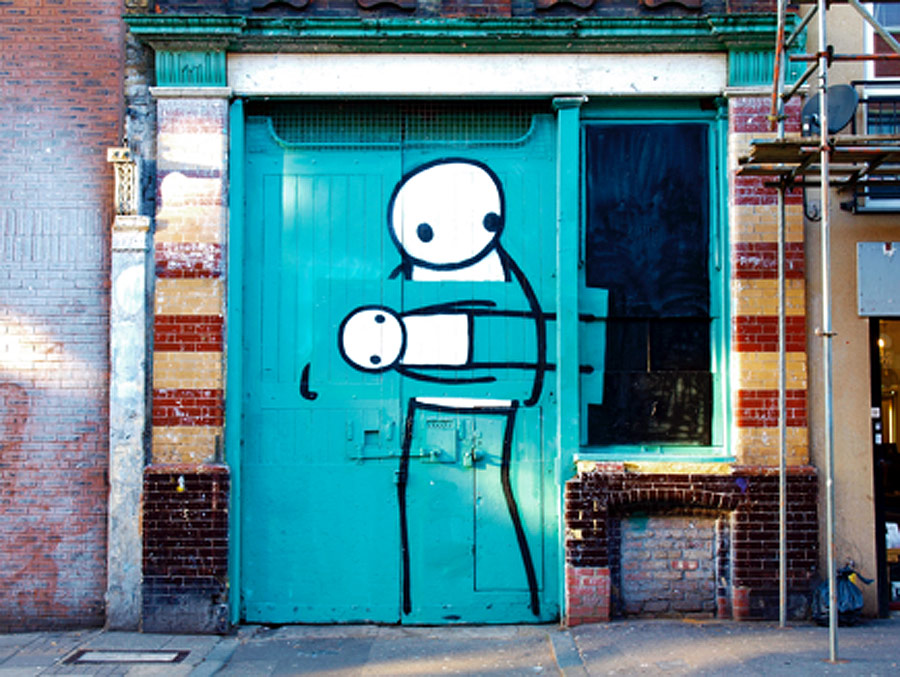
For decades, street art was dismissed as mere vandalism—a fleeting act of rebellion with no place in the hallowed halls of galleries or the auction houses of Christie’s and Sotheby’s. But by the time 5Pointz became a legal battleground, street art had undergone a radical transformation. Banksy’s Girl with Balloon selling for over $1 million at auction in 2018 was just the tip of the iceberg. Street art had become a global phenomenon, with artists like Shepard Fairey, Invader, and Os Gêmeos commanding six-figure sums for their work.
This shift in perception created a paradox. On one hand, street art’s newfound commercial value elevated its status, proving that these works were more than just temporary scribbles. On the other, it exposed a glaring contradiction: if street art could be sold for millions, why were its creators often powerless to stop its destruction or unauthorized reproduction? The 5Pointz case forced the art world to confront this disconnect. It wasn’t just about protecting a building full of murals; it was about redefining what street art could—and should—be in a world that had embraced it as high art.
The case also highlighted the role of gentrification in erasing street art. Wolkoff’s decision to demolish 5Pointz wasn’t just about real estate; it was a symptom of a larger trend where artists’ work was being erased to make way for luxury developments. This wasn’t an isolated incident. In cities like Berlin, London, and Los Angeles, entire neighborhoods had become battlegrounds between artists fighting to preserve their work and developers eager to capitalize on its cultural cachet. The 5Pointz ruling sent a clear message: Artists have rights, and those rights don’t disappear when a building is demolished.
The Legal Labyrinth: How Copyright Law Applies to Street Art
Copyright law is a notoriously complex beast, and when it comes to street art, the waters get even murkier. The 5Pointz case hinged on VARA, but VARA is just one piece of the puzzle. To understand how street art ownership works, we need to unpack the layers of legal protection—and the gaps that still exist.
Under U.S. copyright law, a work is automatically protected the moment it’s created, provided it’s original and fixed in a tangible form. For street artists, this means that even a quick tag on a subway car is technically protected. However, enforcing those rights is another story. Many street artists operate anonymously or under pseudonyms, making it difficult to claim ownership. Others create works that are intentionally ephemeral, designed to fade or be destroyed. How do you protect something that’s meant to disappear?
VARA adds another layer of protection by granting artists moral rights, including the right to claim authorship and prevent the distortion or destruction of their works. But VARA has its limitations. It only applies to works of “recognized stature,” a term that’s left open to interpretation. What constitutes “recognized stature”? Is it the artist’s reputation, the public’s perception, or the work’s commercial value? The 5Pointz case set a precedent by acknowledging that even works created in a graffiti mecca could achieve this status.
Internationally, the legal landscape is even more fragmented. In the European Union, moral rights are often stronger and more clearly defined, but enforcement varies widely. In countries like France and Germany, artists have robust protections against the unauthorized use or destruction of their work. In others, like the UK, the law is more ambiguous, leaving artists in a legal gray area. This patchwork of protections creates a global challenge: how can street artists protect their work when the laws governing it are as scattered as the art itself?
The Commercialization Conundrum: Who Profits from Street Art?
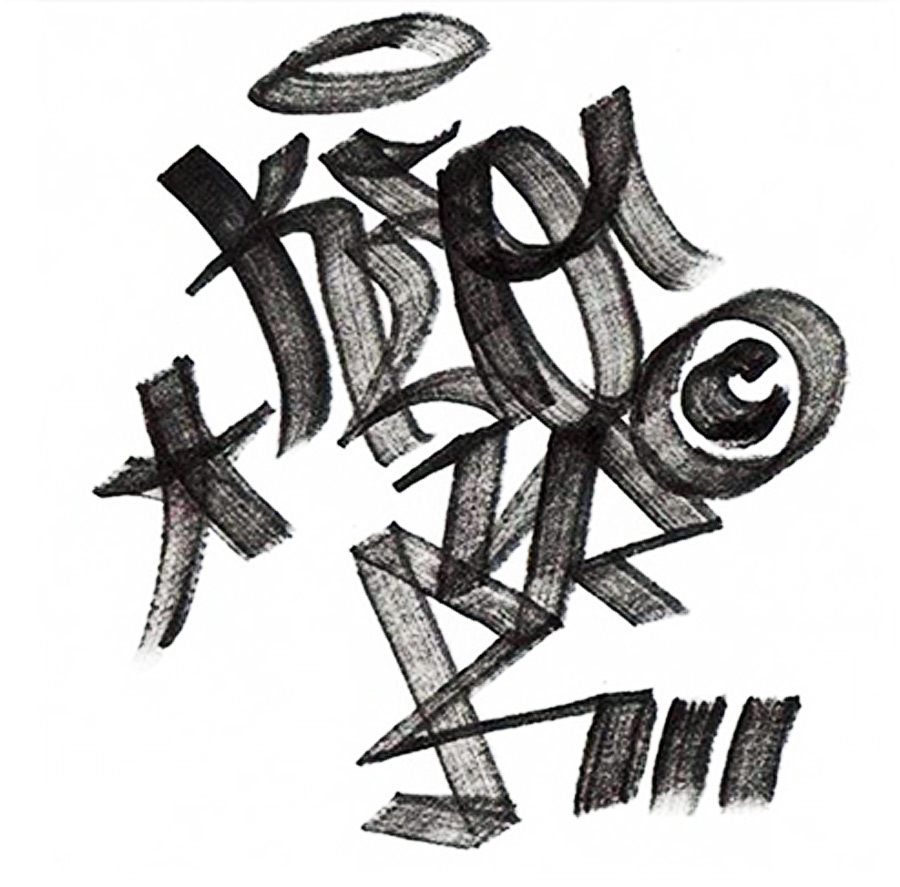
Street art’s journey from underground movement to mainstream commodity has been meteoric, but it’s also raised ethical questions that the 5Pointz case couldn’t fully resolve. When a street artist’s work is sold for hundreds of thousands of dollars at auction, who gets the money? The artist? The gallery? The collector? And what about the countless instances where street art is reproduced, repurposed, or even stolen without permission?
Take the case of Banksy, whose work has been reproduced on everything from tote bags to high-end furniture. Banksy himself has spoken out against the commercialization of his art, famously saying, “Copyright is for losers.” But his work’s value in the market is undeniable. This contradiction highlights a fundamental issue: street art thrives on disruption, but the art market thrives on commodification. How can artists navigate this tension without losing control of their own creations?
The 5Pointz ruling didn’t answer these questions, but it did force the art world to confront them. Galleries and collectors can no longer ignore the fact that street art has value—and that value comes with legal and ethical responsibilities. Some artists have responded by taking control of their own commercialization, licensing their work or collaborating with brands on their own terms. Others have turned to blockchain technology, using NFTs to assert ownership and monetize their digital reproductions. But for every artist who finds a way to profit from their work, there are countless others whose creations are exploited without their consent.
This isn’t just a problem for artists; it’s a problem for the art world as a whole. When street art is treated as a disposable commodity, it loses its soul. The 5Pointz case was a reminder that street art isn’t just about the image on the wall—it’s about the story behind it, the struggle to create it, and the rights of the people who made it possible.
The Future of Street Art Ownership: What’s Next?
The 5Pointz case was a turning point, but it wasn’t the end of the story. As street art continues to evolve, so too will the legal and cultural battles over its ownership. Here’s what we can expect in the years to come.
1. The Rise of Artist-Led Protection
More artists are taking matters into their own hands, using contracts, licensing agreements, and even blockchain technology to assert control over their work. Organizations like the Graffiti Artists Association and Street Art Rights are working to educate artists about their legal options and advocate for stronger protections. Expect to see more artists registering their works with copyright offices and using digital tools to track unauthorized reproductions.
2. The Battle Over Digital Reproductions
As street art becomes increasingly digital—think Instagram posts, NFTs, and augmented reality—new questions arise. Can a photograph of a mural be copyrighted? Who owns the rights to a digital reproduction of a street artist’s work? The law is still catching up, but cases like GoldieBlox v. Diego Funcke (2017) have set early precedents, affirming that digital reproductions can infringe on an artist’s rights.
3. The Role of AI and Generative Art
AI-generated art is already disrupting the creative landscape, and street art is no exception. What happens when an AI algorithm creates a mural in the style of a famous street artist? Who owns the rights to that work? These questions are uncharted territory, and the answers will shape the future of street art ownership.
4. The Fight Against Gentrification
The erasure of street art isn’t just a legal issue; it’s a social one. As cities continue to prioritize development over cultural preservation, artists and activists are pushing back. Initiatives like Save 5Pointz and Street Art Cities are working to document and protect street art before it’s lost forever. Expect to see more collaborations between artists, urban planners, and local governments to create legal frameworks that preserve street art in the face of gentrification.
5. The Globalization of Street Art Law
As street art becomes a global phenomenon, the need for international copyright protections grows. Organizations like the World Intellectual Property Organization (WIPO) are working to create standardized protections for street artists, but progress is slow. Until then, artists will continue to face an uphill battle in enforcing their rights across borders.

The graffiti copyright case that rewrote street art ownership was more than a legal victory—it was a cultural reckoning. It forced us to ask hard questions about who owns art, who profits from it, and what it means to create in a world that’s hungry for disruption but slow to recognize the rights of its creators. The 5Pointz ruling didn’t solve all the problems, but it did prove that street art has value, that its creators deserve recognition, and that the law can—and should—evolve to protect them.
For artists, the battle is far from over. For collectors, galleries, and the public, the message is clear: street art isn’t just a fleeting moment on a wall. It’s a testament to creativity, resilience, and the power of public expression. And its ownership? That’s a story that’s still being written.


Leave a Comment