

Across the sunlit coasts of the Gulf, a compelling fascination has emerged—one that melds creativity with environmental consciousness in a way that speaks deeply to the soul. Eco-art, a vibrant and thought-provoking movement, resonates powerfully with collectors and enthusiasts alike. This affinity transcends mere appreciation for aesthetics; it touches a profound yearning to connect with nature, culture, and the urgent narrative of sustainability. The Gulf collector’s journey into eco-art is not just about acquisition; it is an immersive exploration of how art can embody ecological reverence and inspire transformative awareness.
The Convergence of Nature and Creativity
The allure of eco-art lies in its alchemical fusion of organic materials and artistic ingenuity. Unlike traditional art forms confined to canvas or marble, eco-art emerges as a tactile dialogue with the natural world. Collectors are often enamored by how artists integrate elements such as reclaimed wood, recycled metals, plant fibers, and even natural pigments harvested from the environment. This tactile authenticity evokes a tactile connection—it’s almost as if one can feel the pulse of the earth coursing through each piece.
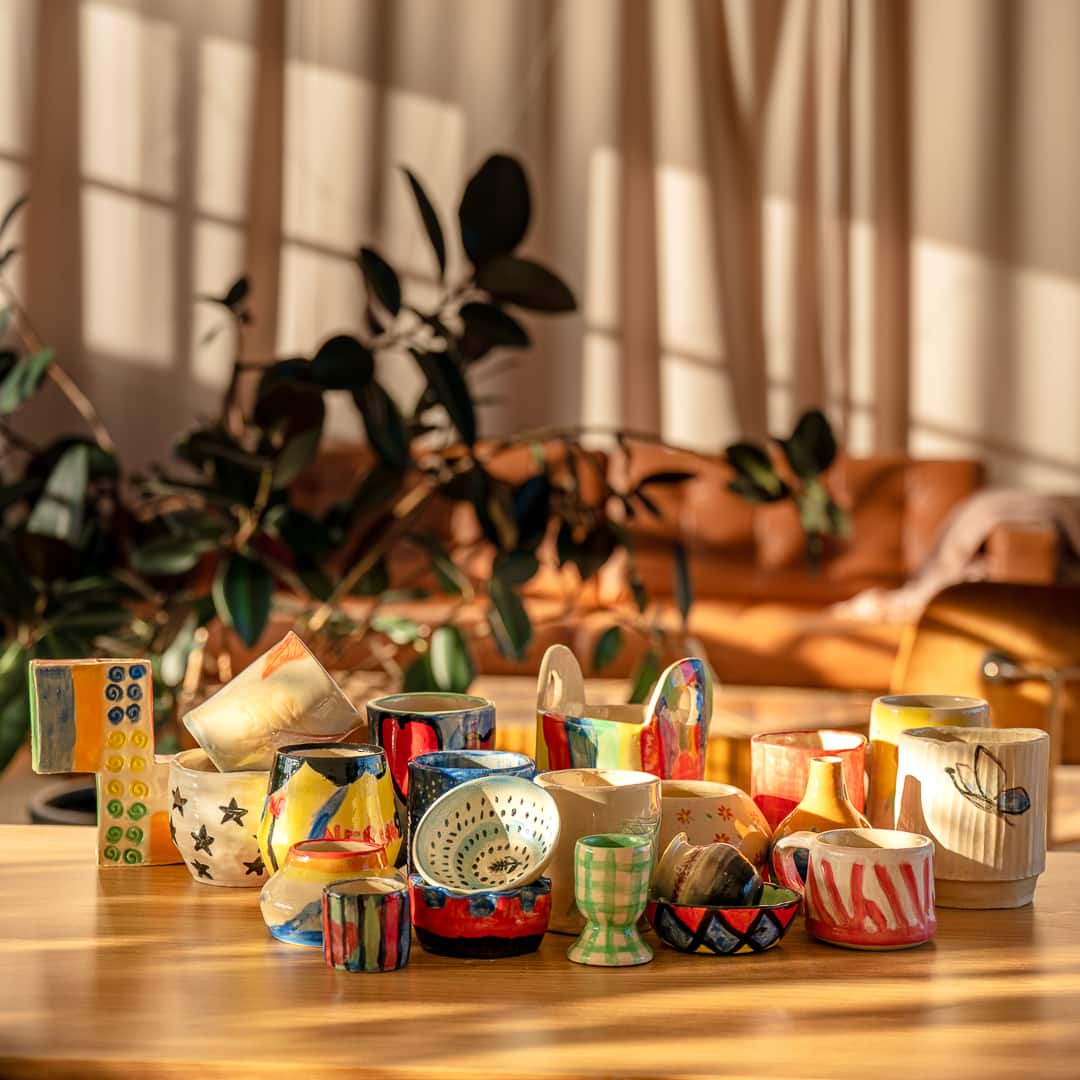
Such artworks defy the purely visual, inviting onlookers to consider the lifecycle of each material and the environmental statement embedded within. This depth of storytelling elevates collecting from hobby to stewardship. When a piece is displayed within a Gulf residence or gallery, it becomes a tangible emblem of an ongoing ecological narrative—one that emphasizes regeneration, balance, and respect.
Why the Gulf? A Region Poised for Eco-Art Enthusiasm
The Gulf states are uniquely poised to champion eco-art given their rich interplay of traditional culture and rapid modernization. This cultural juxtaposition fuels a desire for sustainable lifestyles and creative expressions that honor heritage while confronting contemporary environmental challenges. Water conservation, climate shifts, and desertification are pressing realities here, making the message of eco-art startlingly relevant.
Collectors in the Gulf often witness a merging of global perspectives with regional identity. This creates a fertile ground for eco-art to flourish—not as a niche, but as a mainstream movement. The art pieces collected are not only aesthetically captivating but also serve as ecological ambassadors. They provoke reflection on how human activity shapes our ecosystem and inspire actionable change.
Material Innovation: From Waste to Wonder
A hallmark of eco-art is its dedication to material innovation. Artists delve into the overlooked and discarded, transforming what might be considered waste into marvels of visual storytelling. This metamorphosis mirrors ecological cycles—death and renewal, decay and rebirth. For collectors, owning such artworks is akin to championing a cause; it’s an assertion that beauty and utility can coexist within responsible consumption.

The intrigue intensifies when artists experiment with biodegradable fabrics, sea glass, ocean plastics, and even living plants. These materials challenge conventional permanence in art, highlighting impermanence and continuous change—concepts central to ecological thought. Such dynamic creations demand collectors re-evaluate notions of legacy and ownership, inviting them to participate actively in the life cycle of the piece.
Emotional and Intellectual Resonance
Beyond the physicality of eco-art lies its remarkable ability to stir emotion and provoke critical consciousness. For Gulf collectors, this resonates deeply because it provides a conduit to express anxieties and hopes surrounding the environment. Collecting eco-art becomes a personal manifesto, an aesthetic hedge against ecological despair.
Each piece acts as a mnemonic, a sensory trigger reminding owners of their intimate relationship with nature. The subtle imperfection of hand-harvested materials, the gentle erosion of time evident in biodegradable components—these qualities evoke a shared vulnerability between humans and ecosystems. The emotional depth embedded in eco-art is a magnet, drawing collectors into a web of interconnectedness.
The Role of the Collector as Custodian
The Gulf collector’s role transcends acquisition; it evolves into custodianship. Possessing eco-art is less about possession and more about preservation and advocacy. Collectors become stewards of both culture and environment, promoting sustainability through patronage. By showcasing eco-art in prominent spaces, they amplify its message and invite a broader audience to engage with ecological issues creatively.
This stewardship carries a responsibility to support artists who champion ethical practices—those who carefully source materials and minimize environmental footprints. The collector’s influence thus extends beyond the gallery or home, fostering a network of conscientious creativity that ripples through communities.
Ecological and Cultural Symbiosis
Eco-art in the Gulf is a testament to the harmonization of ecological awareness and cultural heritage. Many artists draw inspiration from indigenous wisdom and traditional Gulf crafts, embedding time-honored techniques within contemporary frameworks. This synthesis produces pieces that are both timeless and urgent, reminding collectors of their place within an ancient continuum and a fragile future.
The cyclical motifs, the tactile surfaces, and the evocation of shifting sands and flowing waters found in Gulf eco-art capture the region’s essence. Collectors find joy in these narratives—each piece is a chapter in an ongoing dialogue between humanity and the natural world.
Looking Ahead: The Expanding Horizon of Eco-Art
As the ecological landscape grows more complex, so too does the evolution of eco-art. Innovative technologies such as bioplastics, living sculptures, and interactive installations are expanding what collectors can discover and cherish. The Gulf’s emerging role as a center for such experimentation invites collectors to participate in groundbreaking cultural shifts.
Moreover, the increasing integration of eco-art within public and private spaces signals a broader societal embrace. This presents unprecedented opportunities for Gulf collectors to influence trends and elevate environmental consciousness through their curatorial choices.
In the vibrant interplay of ecology and artistry, the Gulf collector finds much more than aesthetic delight. They discover a profound dialogue that honors the past, engages with the present, and shapes the future. To collect eco-art here is to embrace a philosophy—a vivacious commitment that art can heal, educate, and transform. As the tides of the Gulf continue to ebb and flow, so too does this passionate movement, inviting collectors to sail alongside on a journey of sustainable beauty and reverent creativity.


Leave a Comment