

In the ever-evolving landscape of visual culture, two seemingly disparate canvases capture the imagination in strikingly different yet subtly interconnected ways: the sprawling, digital Instagram grid and the tangible, intimate 4×4 inch canvas. On the surface, one may appear as a dynamic mosaic confined to screens and algorithms, while the other offers an analogue, tactile intimacy with art’s most timeless form. Yet, the allure of both reveals deeper cultural truths about how we engage with imagery in the 21st century. What is it about these formats that captivates us? Why does each provoke such fascination, and how do their intrinsic characteristics shape our experience of visual storytelling?
The Instagram Grid: A Digital Kaleidoscope of Expression
Scrolling through an Instagram feed offers more than a simple parade of images; it presents a carefully orchestrated tableau where every pixel participates in a communal narrative. The Instagram grid, composed of square images aligned in rows and columns, operates as a contemporary fresco — a fluid, digital gallery that constantly evolves with user interaction and algorithmic curation.
This grid is not merely a backdrop but a vibrant stage where aesthetics, identity, and storytelling converge. The structure encourages creators to think beyond single posts and conceptualize a broader visual strategy. Each image is a brushstroke, contributing to an overarching tableau that flows seamlessly from one frame to the next. Content creators, influencers, and brands alike craft their profiles as evolving portfolios, where cohesion and contrast coexist beautifully.
What intrigues many is the grid’s paradoxical nature: it is both fragmented and unified. Individual posts can be appreciated in isolation, yet the true resonance emerges when absorbed collectively. This duality invites deeper engagement, transforming passive consumption into an active search for contextual meaning. Aesthetically, it crystallizes modern principles of minimalism and modularity, enabling quick visual digestion without sacrificing complexity.
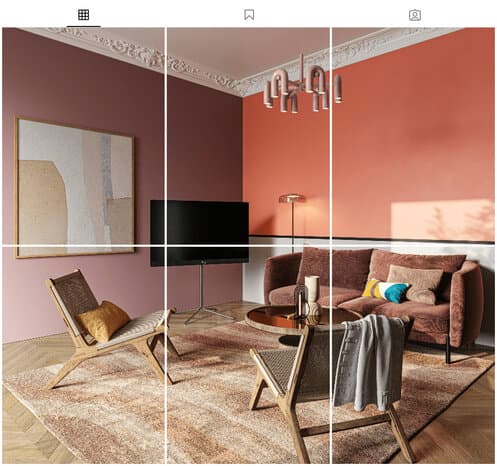
Furthermore, this digital square format pays homage to historic photographic conventions, especially the classic 1:1 aspect ratio, while pushing boundaries with multimedia additions like reels and carousels. The grid’s always-on nature means it is perpetually alive — an urban tapestry buzzing with human connection, aspiration, and creativity, inviting endless exploration.
The 4×4 Inch Canvas: A Pocket-Sized Portal to Intimacy
Contrast this with the humble 4×4 inch canvas, a modest frame that distills artistry into its purest, most tactile form. This small canvas carries profound implications for both creator and viewer. In a world saturated with high-resolution imagery and digital abundance, the 4×4 inch size demands a pause.
Its limited physical boundaries narrow the artist’s scope, compelling meticulous discipline and intentionality. Every brushstroke and color choice carries increased significance, magnified by the intimate viewing distance. There is something almost meditative in this compression of detail within such constrained dimensions. The viewer, in turn, is invited into an almost secret experience — a quiet communion with art that encourages reflection and slow appreciation.

This fascination with miniature canvases taps into human desires for tangible connection amid the ephemeral digital cloud. The physicality of the canvas — its texture, edges, and even imperfections — embeds a sense of authenticity and presence that digital images can seldom replicate. The 4×4 inch canvas becomes a precious artifact, a totem of intention and craftsmanship.
Moreover, the size evokes a democratic accessibility; it’s affordable, portable, and easily displayed within personal spaces. This nurtures a sense of ownership and personal relationship with the artwork, blurring the boundaries between creator, object, and admirer.
Why the Fascination? An Exploration of Human Perception and Cultural Shifts
To understand why the Instagram grid and the 4×4 inch canvas command such compelling magnetism, one must look at the broader socio-cultural context. Both represent responses to the fragmentation and acceleration of modern life, yet they do so in divergent manners.
The Instagram grid thrives on collectivism, performance, and the rapid dissemination of visual narratives. It capitalizes on our impulse for connection and validation, enabled by instantaneous feedback loops. The grid’s structure mirrors societal shifts towards modular thinking and multitasking, catering to ever-shortened attention spans through visually harmonious sequences.
Conversely, the allure of the 4×4 inch canvas lies in its resistance to the digital deluge — it champions slowness, introspection, and permanence. This small scale invites concentrated engagement and allows for emotional resonance unfettered by the distractions of the online world. In an era where image overload can provoke numbness, this fragment of space offers sanctuary.
Psychologically, these formats fulfill complementary needs: the grid feeds our craving for social interaction and communal identity, while the miniature canvas satisfies our longing for solitude and genuine personal experience. Together, they embody the contemporary dialectic between hyperconnectivity and the search for meaningful silence.
Intersecting Pathways: When Digital Meets the Intimate
Interestingly, the boundaries between these two realms are increasingly porous. Artists and creators now leverage digital tools to simulate the intimacy and craftsmanship of small canvases, digitizing their tactile textures and nuanced details for virtual audiences. Likewise, Instagram profiles often honor the ethos of small-scale artworks by embracing minimalist aesthetics, emphasizing subtle textures and fine details within the grid format.
This interplay reflects a broader trend towards hybridization in art and communication. The physical and digital spheres do not merely coexist but enrich each other, offering layered experiences that transcend traditional limitations.
Moreover, both formats compel us to consider the role of context in perceiving images. The Instagram grid, with its array of thumbnails, challenges viewers to piece together meaning across disparate frames, while the tiny canvas insists on singular focus and proximity. This dynamic expands our visual literacy, encouraging us to navigate and decode complex layers of interpretation.
Conclusion: Embracing the Paradox of Scale and Connection
The enduring fascination with the Instagram grid and the 4×4 inch canvas springs from their unique abilities to encapsulate complex human experiences in confined spaces. One thrives on the collective pulse of a networked world, offering endless narratives that speak to our desire for visibility and community. The other offers a sanctuary of intimacy and presence, urging us to slow down and savor the tactile reality of creation.
Together, they remind us that art and imagery are not just about what is seen, but how, where, and why we see it. Each extends an invitation — to engage broadly or intimately, digitally or physically. In a time when the visual realm is as vast as it is immediate, exploring these contrasting canvases enriches our understanding of cultural expression and human connection.


Leave a Comment