

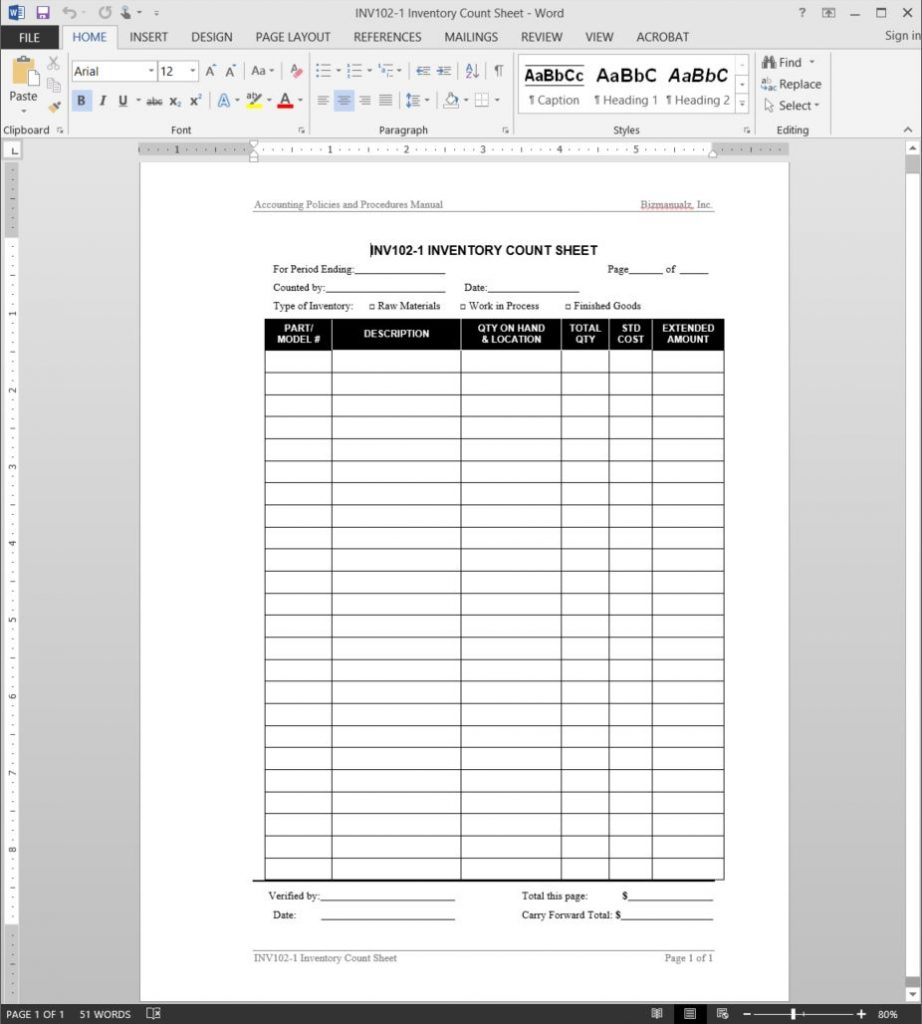
In the bustling bazaar of commerce, where transactions flicker like fireflies in the night, the specter of double sales looms like a shadow over merchants’ dreams. Imagine a world where the same item is sold twice—once to a delighted customer, and again to another, only for the first buyer to arrive and demand their purchase. The chaos is palpable, the reputational damage irreversible, and the financial losses staggering. Yet, in this digital age, a silent sentinel stands guard against such calamities: the inventory management spreadsheet. It is not merely a ledger; it is a fortress, a compass, and a crystal ball all rolled into one, ensuring that every sale is unique, every stock level sacred, and every customer’s trust unbroken.
At its core, an inventory management spreadsheet is a meticulously crafted tapestry of data, weaving together the threads of supply, demand, and availability. It is the unsung hero of the retail world, operating behind the scenes with the precision of a Swiss timepiece. Without it, businesses drift like ships without rudders, vulnerable to the tempests of overselling and underselling. But with it, they navigate the turbulent waters of commerce with the confidence of seasoned captains. Let us embark on a journey to uncover the magic of this indispensable tool and explore how it transforms the art of selling from a gamble into a science.
The Symphony of Stock: How Spreadsheets Orchestrate Inventory Harmony
Picture an orchestra, where each instrument plays a vital role in creating a masterpiece. The inventory management spreadsheet is the conductor, ensuring that every note—every unit of stock—is accounted for and harmonized with the rhythm of sales. Without this conductor, the symphony descends into cacophony, with instruments playing out of sync, leading to the discord of double sales. The spreadsheet, however, brings order to the chaos. It tracks real-time stock levels, updates sales records instantaneously, and flags potential conflicts before they escalate into crises.
Consider the case of a boutique clothing store. On a busy Saturday, a customer purchases the last available vintage leather jacket. Without a spreadsheet, the sales associate might unknowingly sell the same jacket to another customer later that day, only to face the wrath of the first buyer. But with a spreadsheet in place, the moment the jacket is sold, its status changes from “available” to “sold,” and the system prevents further transactions for that item. This real-time synchronization is the heartbeat of inventory management, ensuring that every sale is a solo performance, not a duet of disappointment.
The spreadsheet’s ability to harmonize stock levels with sales data is not just a technical feat; it is a work of art. It transforms raw numbers into a living, breathing entity that breathes life into a business. No longer are stock levels static, frozen in time like museum exhibits. Instead, they pulse with the vitality of a living organism, adapting and evolving with each transaction. This dynamic interplay between data and reality is what sets the inventory management spreadsheet apart from traditional methods of tracking stock.
The Guardian of Trust: How Spreadsheets Preserve Customer Loyalty
Trust is the currency of commerce, and in a world where customers have endless choices, it is the most valuable asset a business can possess. Yet, trust is fragile, easily shattered by the slightest misstep. A single instance of double selling can erode years of goodwill, leaving a business scrambling to rebuild its reputation. The inventory management spreadsheet acts as the guardian of this trust, standing as a bulwark against the forces that seek to undermine it.
Imagine a small bakery that has cultivated a loyal following over the years. Its customers return time and again, drawn by the promise of fresh, high-quality pastries. One fateful morning, the bakery’s owner, relying on memory alone, sells the last batch of croissants to two different customers. The first customer arrives, only to be told that the croissants are sold out. The second customer, arriving moments later, is equally disappointed. The bakery’s reputation, built on years of hard work, crumbles in an instant. The damage is not just financial; it is emotional, a betrayal of the trust that customers place in the business.
Now, consider the same scenario with an inventory management spreadsheet in place. The moment the first croissant is sold, the spreadsheet updates the stock level to zero, preventing the second sale. The bakery’s owner can confidently assure both customers that the croissants are sold out, and the spreadsheet provides the evidence to back up the claim. In this way, the spreadsheet not only prevents double sales but also preserves the integrity of the business. It is a silent protector, ensuring that customers leave with smiles on their faces and trust in their hearts.
The Crystal Ball of Commerce: Predicting Demand with Spreadsheet Precision
In the realm of commerce, foresight is power. The ability to predict demand is the difference between a business that thrives and one that merely survives. The inventory management spreadsheet is the crystal ball of this world, offering glimpses into the future and allowing businesses to prepare for what lies ahead. By analyzing historical sales data, seasonal trends, and market fluctuations, the spreadsheet empowers businesses to make informed decisions that minimize the risk of double sales and maximize profitability.
Take, for example, a toy store preparing for the holiday season. Without a spreadsheet, the store’s owner might rely on gut instinct or outdated records to determine how many units of a popular toy to order. The result? Either a surplus of unsold inventory or a shortage that leads to double sales and frustrated customers. But with a spreadsheet, the owner can analyze years of sales data to identify patterns and trends. They can see which toys were in high demand last year, which ones sold out too quickly, and which ones lingered on the shelves. Armed with this knowledge, they can make data-driven decisions that ensure the right amount of stock is available at the right time.
The spreadsheet’s predictive capabilities extend beyond mere stock levels. It can also identify slow-moving items, allowing businesses to implement strategies to clear excess inventory before it becomes a liability. It can highlight fast-selling products, enabling businesses to capitalize on trends and avoid stockouts. In this way, the spreadsheet is not just a tool for preventing double sales; it is a strategic asset that drives growth and innovation. It transforms the art of selling into a science, where every decision is backed by data and every outcome is predictable.
The Alchemy of Automation: Turning Spreadsheets into Sales Superchargers
In the age of automation, the inventory management spreadsheet is the alchemist’s stone, turning raw data into gold. It automates the tedious tasks of tracking stock, updating records, and generating reports, freeing up time and resources for businesses to focus on what truly matters: serving their customers. This automation is not just a convenience; it is a revolution, transforming the way businesses operate and compete in the marketplace.
Consider the plight of a small e-commerce business. Without automation, the owner must manually update inventory levels, reconcile sales data, and generate reports—a process that is not only time-consuming but also prone to errors. A single mistake in updating stock levels can lead to double sales, tarnishing the business’s reputation and costing it valuable customers. But with an automated spreadsheet, these tasks are handled with the precision of a machine, eliminating the risk of human error and ensuring that every sale is accurate and reliable.
The alchemy of automation extends beyond mere efficiency. It enables businesses to scale their operations without sacrificing quality or accuracy. A small business can grow into a medium-sized enterprise, and a medium-sized enterprise can become a market leader, all while maintaining the same level of inventory management precision. The spreadsheet becomes the backbone of the business, supporting its growth and enabling it to thrive in an increasingly competitive landscape.
The Unseen Hand: How Spreadsheets Streamline Supply Chain Synergy
Behind every successful sale lies a complex web of supply chain logistics, where delays, miscommunications, and inefficiencies can spell disaster. The inventory management spreadsheet is the unseen hand that streamlines this web, ensuring that every link in the chain is strong and every transaction flows smoothly. It acts as a bridge between suppliers, warehouses, and retailers, providing real-time visibility into stock levels and enabling proactive decision-making.
Imagine a scenario where a retailer places an order for a popular product, only to discover that the supplier has run out of stock. Without a spreadsheet, the retailer might unknowingly promise the product to a customer, only to face the embarrassment of a delayed shipment or a canceled order. But with a spreadsheet, the retailer can see the supplier’s stock levels in real time, allowing them to adjust their orders or source the product from an alternative supplier. This level of transparency and coordination is the key to a seamless supply chain, where every stakeholder is aligned and every transaction is executed with precision.
The spreadsheet’s role in supply chain synergy extends beyond mere visibility. It enables businesses to optimize their inventory levels, reducing the risk of overstocking or stockouts. It allows them to track the movement of goods from the supplier to the warehouse to the retail floor, ensuring that every step of the journey is accounted for. In this way, the spreadsheet becomes the glue that holds the supply chain together, transforming a complex network of transactions into a well-oiled machine.
The Final Inventory: Embracing the Spreadsheet as Your Business’s Silent Partner
In the grand tapestry of commerce, the inventory management spreadsheet is the thread that weaves together the fabric of success. It is the silent partner that works tirelessly behind the scenes, ensuring that every sale is unique, every stock level is accurate, and every customer leaves satisfied. It is the guardian of trust, the crystal ball of demand, the alchemist of automation, and the unseen hand of supply chain synergy. Without it, businesses are left to navigate the treacherous waters of commerce alone, vulnerable to the tempests of double sales and lost opportunities.
Yet, with the inventory management spreadsheet as their ally, businesses can face the future with confidence. They can embrace the art of selling not as a gamble, but as a science. They can transform their operations from chaotic to harmonious, from reactive to proactive, and from uncertain to predictable. The spreadsheet is more than a tool; it is a philosophy, a way of thinking that prioritizes data, precision, and customer trust above all else.
So, to the merchants, the entrepreneurs, and the dreamers who seek to build something extraordinary, the message is clear: embrace the inventory management spreadsheet. Let it be your compass, your guardian, your crystal ball, and your alchemist. Let it transform your business from a mere participant in the marketplace to a leader, a visionary, and a legend. In the end, the spreadsheet is not just a tool; it is the key to unlocking the full potential of your business, ensuring that every sale is a masterpiece and every customer is a lifelong advocate.


Leave a Comment