

Have you ever found yourself caught in the crossfire of a transatlantic dance duel—one where the Irish jig and tap dance lock horns in a rhythmic showdown that could shake the very foundations of your footwear? Imagine the scene: one side, the spirited Irish jig, a whirlwind of tradition and folklore, its dancers leaping with the grace of a Celtic storm; the other, tap dance, the urban virtuoso, its percussive beats echoing through the neon-lit streets of America like a metronome set to revolution. This isn’t just a dance-off—it’s a cultural collision, a clash of histories, and a symphony of styles that begs the question: which rhythm reigns supreme?
The Irish jig and tap dance aren’t merely steps on a dance floor—they’re living legacies, each with its own heartbeat, its own story to tell. One hails from the emerald hills of Ireland, where fiddles weep and bodhráns thunder, while the other emerged from the melting pots of American cities, where jazz and vaudeville collided in a whirlwind of innovation. But here’s the twist: what happens when these two titans meet? Is it harmony or cacophony? A fusion of fire or a clash of cultures? Strap in, because we’re about to dive into the depths of this transatlantic rhythm war—where every stomp, shuffle, and leap could tip the scales.
The Irish Jig: A Whirlwind of Tradition and Folklore
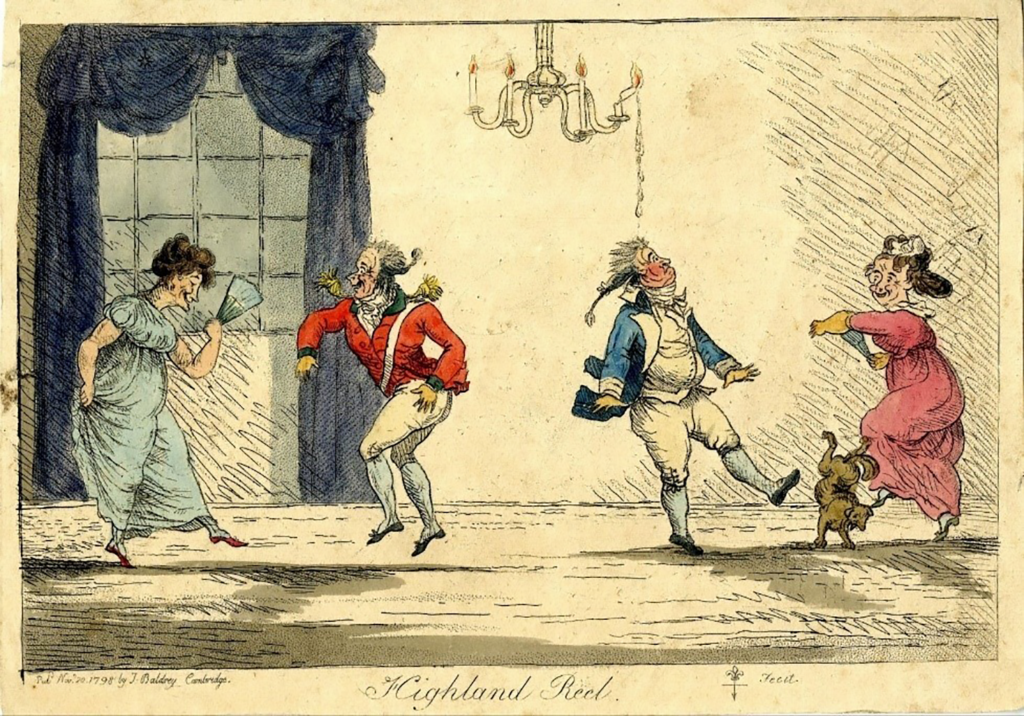
The Irish jig isn’t just a dance—it’s a narrative spun in the air, a story told through the flicker of a skirt, the stamp of a shoe, and the unmistakable lilt of a fiddle. Born in the rugged landscapes of Ireland, the jig is a celebration of heritage, a defiant twirl against the backdrop of history. Its origins trace back to the 16th century, where it was a staple of rural gatherings, a way to while away the evenings under the watchful gaze of the moon. But don’t be fooled by its rustic roots; the jig is a technical marvel, a dance that demands precision, agility, and a spine as flexible as a willow in the wind.
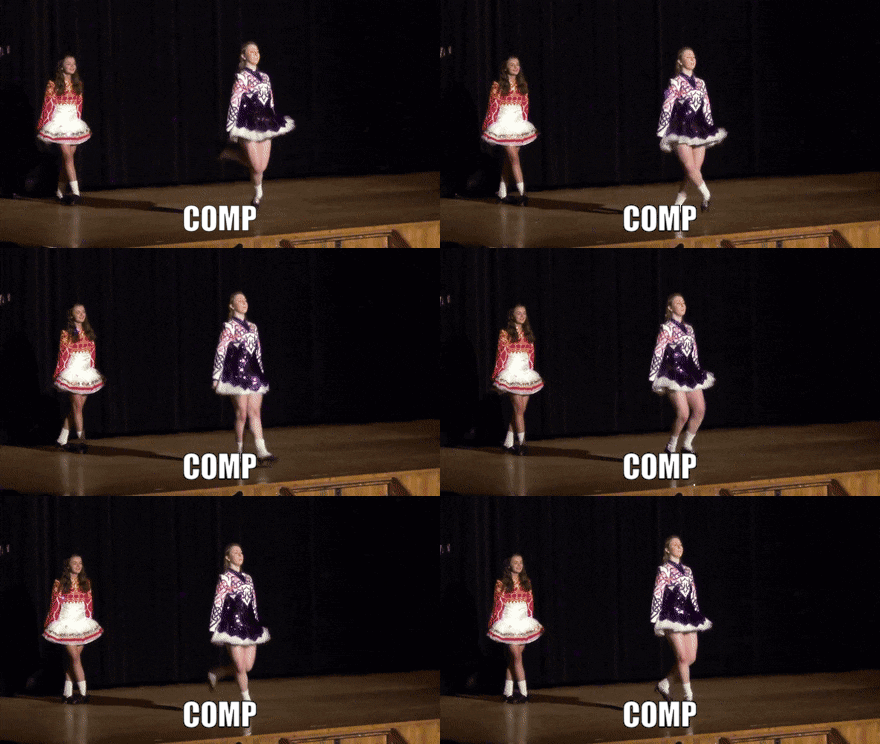
At its core, the Irish jig is a solo performance, a soloist’s soliloquy where every movement is a punctuation mark in a larger story. The dancer’s arms are often held stiff at the sides or crossed in front, a posture that contrasts sharply with the frenetic energy of the legs. The feet become instruments, tapping out rhythms that mimic the clatter of hooves on cobblestone or the patter of rain on a thatched roof. The hard shoe, with its fiberglass or wood tips, is the jig’s weapon of choice, striking the floor with a percussive clarity that could rival a drumline.
But the jig isn’t just about the feet—it’s about the soul. The dancer’s expression is as vital as the steps themselves, a mask of joy, mischief, or even sorrow, depending on the tune. Whether it’s the lively reel or the haunting slip jig, the jig is a dance of contrasts: light and heavy, fast and slow, playful and profound. It’s a dance that doesn’t just move the body—it moves the spirit, a reminder of the resilience and creativity of the Irish people.
Tap Dance: The Urban Alchemy of Rhythm and Rebellion
If the Irish jig is a dance of tradition, then tap dance is its rebellious cousin—a child of the streets, forged in the fires of innovation and reinvention. Tap dance didn’t emerge from the halls of aristocracy or the pages of ancient manuscripts; it was born in the gutters of America, a melting pot of African rhythms, Irish step dancing, and the syncopated beats of jazz. By the early 20th century, tap had evolved from a novelty act in vaudeville shows to a full-fledged art form, its dancers transforming sidewalks and stages into stages of percussive poetry.
The magic of tap lies in its duality. On one hand, it’s a dance of precision, where every click and clack of the metal-tipped shoes is a note in a complex musical composition. The dancer becomes a one-person orchestra, their feet orchestrating melodies that can swing from playful to profound in the span of a single measure. On the other hand, tap is a dance of improvisation, a conversation between the dancer and the floor, where spontaneity is king. Think of Fred Astaire gliding across the screen with effortless grace, or Savion Glover’s explosive, modern take on the art form—each a testament to tap’s boundless versatility.
But tap dance isn’t just about the feet; it’s about the body. Unlike the Irish jig, where the arms are often static, tap dancers use their entire frame to accentuate the rhythm, their arms swinging in time with the music or framing their movements like a painter’s brushstrokes. The shoes themselves are marvels of engineering, with metal plates attached to the toes and heels that amplify every strike, turning the dancer’s feet into a percussive orchestra. Whether it’s the crisp, staccato rhythms of a Broadway show or the raw, unfiltered energy of a street performance, tap dance is a celebration of rhythm, a rebellion against silence.
The Clash of Cultures: Where the Jig Meets the Tap
Now, imagine the two dances colliding—like a Celtic thunderstorm meeting a New York jazz riff. The Irish jig, with its roots deep in the soil of Ireland, and tap dance, a product of the American melting pot, are as different as the landscapes that birthed them. Yet, when they meet, something extraordinary happens: a fusion of fire, a clash of cultures that could either ignite a revolution or fizzle into a cacophony of clashing rhythms.
The challenge is clear: how do you blend the structured elegance of the jig with the improvisational chaos of tap? The jig’s rigid posture and emphasis on arm placement contrast sharply with tap’s fluid, whole-body engagement. The jig’s music is often traditional, rooted in fiddle tunes and reels, while tap thrives on the syncopated beats of jazz and blues. Yet, where there’s contrast, there’s potential. Imagine a dancer performing a jig with tap shoes, their feet striking the floor in a rhythm that blends the melodic lilt of a reel with the sharp, staccato beats of a tap routine. The result? A dance that’s both familiar and revolutionary, a bridge between two worlds.
But the clash isn’t just about the steps—it’s about the soul. The Irish jig is a dance of storytelling, where every movement is a chapter in a larger narrative. Tap dance, on the other hand, is often about the moment, the here and now, the spontaneous creation of rhythm. Can these two philosophies coexist? Or will one inevitably overshadow the other? The answer lies in the hands of the dancers, the choreographers, and the audiences who dare to embrace the challenge.
The Ultimate Showdown: Which Rhythm Wins?
So, which dance reigns supreme in this transatlantic rhythm war? The answer isn’t as simple as declaring a winner—because this isn’t a battle to be won, but a dialogue to be celebrated. The Irish jig and tap dance are both masterpieces of movement, each with its own unique voice and history. To pit them against each other is to ignore the beauty of their differences, the richness of their traditions, and the potential for collaboration.
Perhaps the true victory lies in the fusion—the creation of a new dance form that borrows from both, a hybrid that honors the past while embracing the future. Imagine a routine where the percussive beats of tap meet the melodic lilt of a jig, where the dancer’s feet become a bridge between two continents. It’s a challenge, yes, but one that could yield something extraordinary: a dance that’s greater than the sum of its parts.
In the end, the Irish jig and tap dance aren’t rivals—they’re kindred spirits, two sides of the same coin. One whispers of ancient hills and folklore, the other shouts of urban streets and innovation. Together, they form a symphony of rhythm, a testament to the power of dance to transcend borders and cultures. So, the next time you find yourself caught in the crossfire of this transatlantic rhythm war, don’t take sides. Instead, grab a partner, lace up your shoes, and let the dance begin.


Leave a Comment